























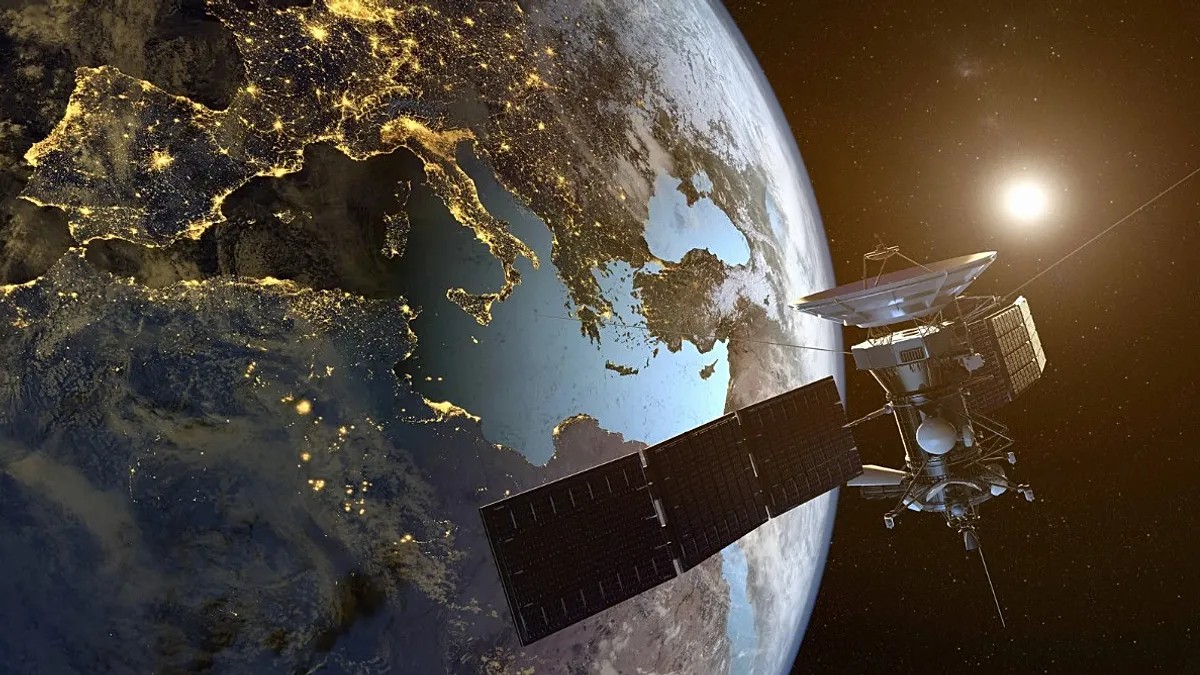
Cyberattacks targeting space systems have risen sharply, particularly during periods of heightened geopolitical tension like the Gaza conflict and clashes between Israel and Iran. A new report from the Center for Security Studies (CSS) at ETH Zürich details 237 cyber operations aimed at the space sector between January 2023 and July 2025 – a trend that highlights the growing vulnerability of critical space infrastructure in modern warfare.
The Rise of Space-Based Cyberattacks
The study, compiled from open-source intelligence including social media, news reports, and cybercrime forums, reveals a clear correlation between real-world conflicts and increased cyber activity in space. The most dramatic surge occurred in June 2025 during the Israel-Iran escalation, with 72 attacks recorded in a single month – almost one-third of all incidents during the study period. This mirrors similar patterns observed during Russia’s invasion of Ukraine, suggesting that cyber operations are becoming a consistent feature of armed conflicts.
The vast majority of identified threat actors (all but one) were pro-Palestinian groups. The report also acknowledges the possibility of covert operations by pro-Israeli groups, though these remain unconfirmed.
Targets and Tactics
Hacktivists targeted 77 different space organizations and companies, with the Israel Space Agency (ISA), Rafael, and Elbit Systems receiving the most attention. Even international bodies like NASA were included among the targets.
The primary attack method was distributed denial-of-service (DDoS), which overwhelms systems with traffic to disrupt operations. DDoS attacks are relatively simple to execute and can serve as a distraction for more sophisticated intrusions or data breaches. Other tactics included data leaks and intrusions, with some timed to coincide with key events in the conflicts.
“Cyber operations against the space sector are now part of a general trend during armed conflicts,” the report states, emphasizing that the actual scale of activity is likely underreported due to reliance on open-source research.
Lessons from Other Conflicts
Hacktivist groups have been observed replicating successful tactics from other cyber conflicts. For example, a 2023 DDoS attack on the ISA by the “Cyber Army of Palestine” used code similar to that employed by the IT Army of Ukraine against Russian targets. This demonstrates a clear pattern of cross-conflict influence and adaptation among cyber warfare actors.
Implications for the Future
While most attacks to date have caused limited physical damage, the report concludes that cyber operations in space are becoming “consistent elements” of modern conflicts. The growing interest from hacktivists and the replication of successful tactics suggest that space-based cyber warfare will continue to escalate.
This trend underscores the urgent need for robust cyber strategies to protect critical space infrastructure. The study’s findings highlight that the vulnerability of satellites, communications systems, and related industries makes them attractive targets in geopolitical disputes.
The report suggests that space-focused cyber strategies need to be made to protect space infrastructure from further attacks.