
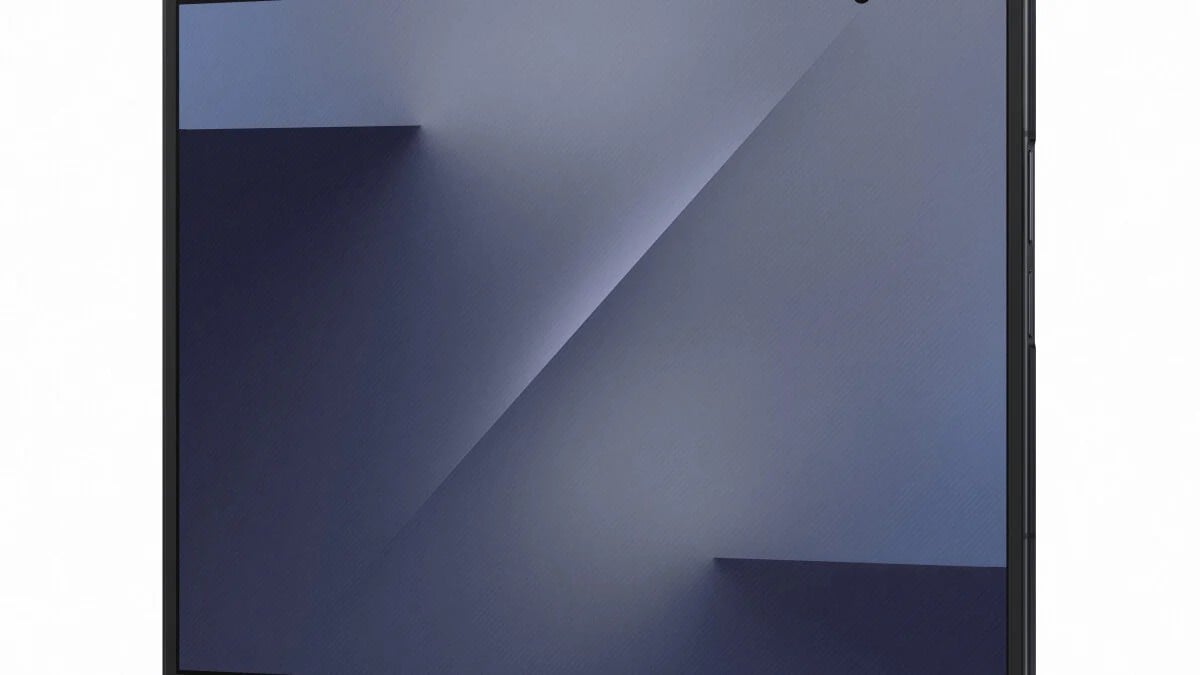
The battle for foldable dominance is intensifying. Samsung recently unveiled its Galaxy Z TriFold – a device boasting two hinges and a sprawling inner display – while Apple is widely expected to enter the foldable market with its own iPhone Fold in the near future. Both devices aim to reshape mobile computing, but with different approaches. Here’s a breakdown of what we know so far.
Samsung Galaxy Z TriFold: The First Mover
Samsung has officially announced the Galaxy Z TriFold, set to arrive in the U.S. in early 2026. This device is notable for its unique triple-folding design, delivering a massive 10-inch internal screen with a 2160×1584 resolution and a smooth 120Hz adaptive refresh rate. Paired with a 6.5-inch external display (2520×1080, also at 120Hz), it aims to blend tablet-like functionality with pocketable convenience.
Key specs include:
- Processor: Snapdragon 8 Elite for Galaxy
- RAM: 16GB
- Storage: 512GB/1TB options
- Battery: 5,600mAh
- Cameras: Triple rear setup (200MP wide, 12MP ultra-wide, 10MP telephoto with 3x optical zoom)
The Z TriFold’s core innovation is its ability to unfold twice, creating a large, immersive display for multitasking and media consumption. This marks a significant step beyond the traditional single-hinged foldable phones already on the market.
Apple iPhone Fold: The Rumored Contender
While Apple has yet to confirm details, reports suggest the company is developing a foldable iPhone, potentially launching in 2026. The focus appears to be on refinement over radical innovation; most leaks point to a single-hinged design. A key advantage Apple aims to achieve is a near-seamless, “creaseless” display, addressing one of the biggest criticisms of current foldable technology.
Rumored specs include:
- Internal Display: Approximately 7.8 inches
- External Display: Roughly 5.5 inches
- Camera Setup: Four lenses – two on the front and two on the rear.
The iPhone Fold is expected to be smaller than the Z TriFold, making it more accessible for users accustomed to standard smartphone sizes. The camera arrangement, with lenses split between front and back, remains a point of speculation.
Comparing the Two: What Sets Them Apart?
The fundamental difference lies in design. Samsung prioritizes maximum screen real estate with its tri-fold approach, while Apple appears to favor a more conventional foldable form factor, albeit with enhanced display technology. Both companies are pushing for thin, lightweight designs. Samsung claims the Z TriFold measures just 4.2mm unfolded, and rumors suggest the iPhone Fold will also be remarkably slim.
Pricing remains a major uncertainty. Some reports estimate the iPhone Fold could reach $2,399, putting it at a premium compared to other foldables. Samsung’s pricing for the Z TriFold is yet to be revealed, but it’s likely to be positioned as a high-end device.
Ultimately, the choice between these two will depend on user preferences. Samsung offers a larger, more versatile experience, while Apple promises refinement and potentially superior display quality. The race is on, and consumers stand to benefit from the competition.