




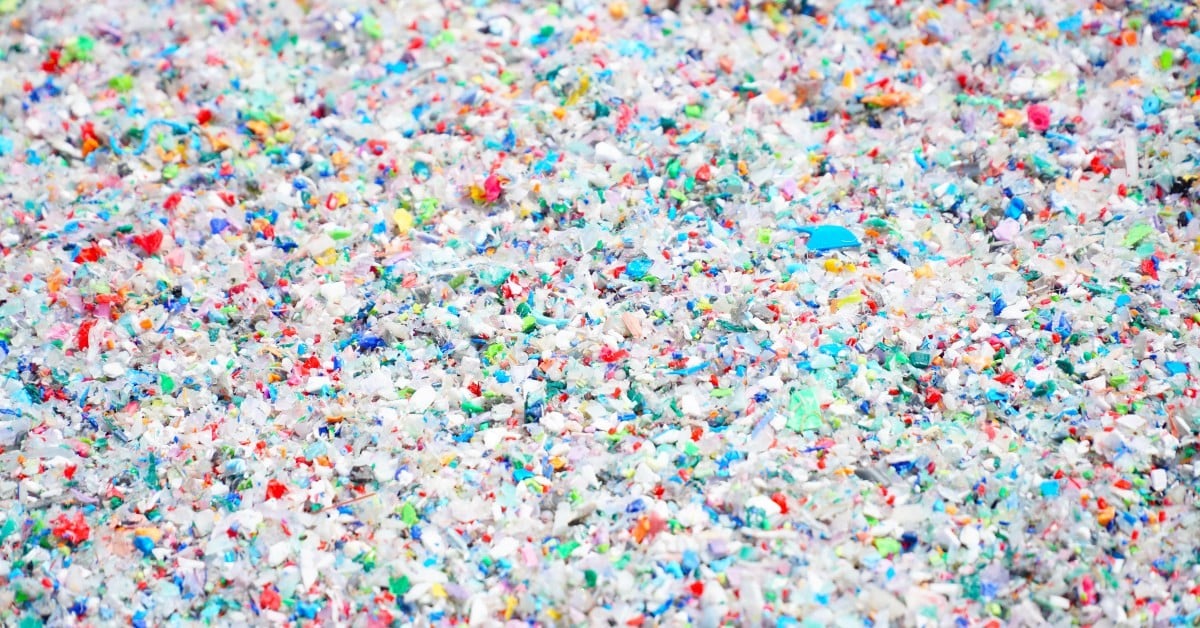
Recent headlines claiming microplastics are pervasive throughout the human body – in brains, blood, placentas, and more – are facing serious scrutiny. Leading scientists now suggest many of these findings may be due to contamination, flawed methodologies, or outright errors rather than actual plastic particles embedded in human tissue. While plastic pollution is undeniably a global crisis, the extent of its internal impact remains largely unproven, and the rush to publish preliminary results may be backfiring.
The Problem With Plastic Detection
For years, research has exploded in the field of microplastics (MNPs), but measuring them in biological samples is incredibly difficult. The particles are tiny, at the limits of current analytical techniques, and easily mistaken for other substances. Several high-profile studies have been formally challenged, with researchers pointing to missing contamination controls, weak validation steps, and biologically implausible results.
One highly-cited study reporting microplastics in human brains was quickly questioned by experts who pointed out the presence of fats in brain tissue can mimic the signal given off by common plastics. A researcher at the Helmholtz Center for Environmental Research bluntly called the paper “a joke,” suggesting rising obesity levels could explain the reported trend instead of actual plastic accumulation.
Why This Matters: Bad Data Can Derail Policy
The stakes are high. Exaggerated findings risk scaring the public unnecessarily, distorting policy decisions, and handing ammunition to industry lobbyists who dismiss legitimate environmental concerns. While reducing plastic exposure through simple steps like filtering water and ventilating spaces is a sensible precaution, panic-driven measures based on shaky science could be counterproductive.
The field is still young, and better methods are desperately needed. Scientists agree that collaboration between medical researchers and analytical chemists, coupled with clearer standards, are essential before firm conclusions can be drawn.
The Limits of Current Analysis
One common method for measuring MNPs, Py-GC-MS (vaporizing samples and analyzing fumes), is itself under fire. Some scientists argue it produces too many false positives, as certain molecules from human tissue can mimic the signal of plastics. A study from the University of Queensland found 18 prior studies had failed to account for this risk.
The debate isn’t about malice but about the difficulty of accurate measurement. The science is immature, and many labs lack the expertise to perform reliable analyses. As one researcher put it, “Most of the… lesser quality analytical papers come from groups that are medical doctors or metabolomics scientists… they’re not driven by analytical chemistry knowledge.”
The Bigger Picture
Plastic production has exploded in recent decades, with 8 billion tonnes now polluting the planet. While this environmental crisis is real, rushing to conclusions about its internal impact could lead to misguided regulations.
For now, experts recommend a measured approach: reducing plastic exposure where possible while demanding more rigorous research before drawing definitive conclusions about the health risks of microplastics in the human body. The truth is, we still know very little for certain.