


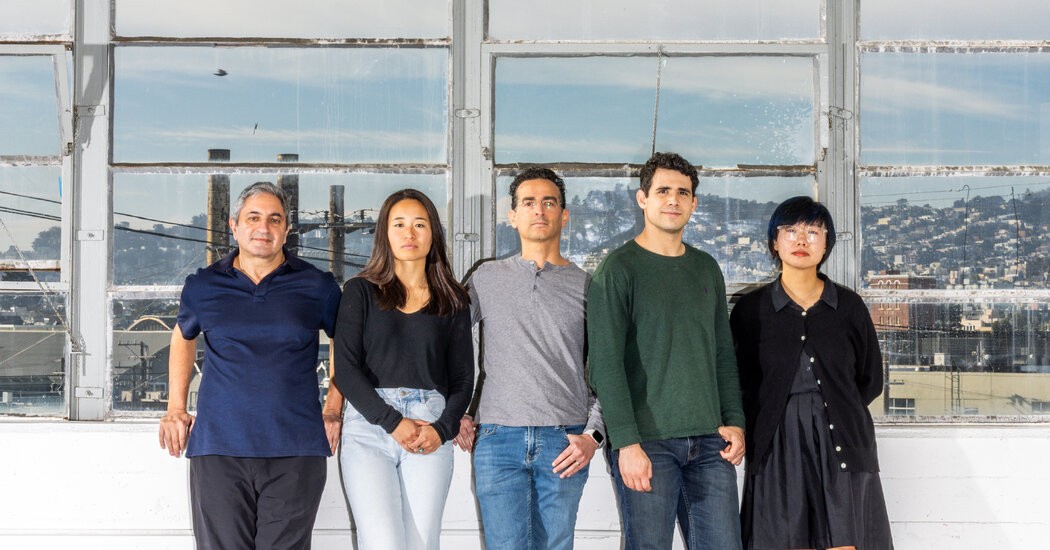
A new tech company, Humans&, founded by former researchers from leading AI firms including Anthropic and xAI, is taking a deliberate stand against the prevailing trend of automation-focused AI development. Unlike many competitors prioritizing fully autonomous systems, Humans& is built on the premise that artificial intelligence should empower human workers, not replace them.
The Shift in Focus: Collaboration over Automation
The company’s founders, including Andi Peng – previously a research scientist at Anthropic – cite a growing concern within the industry: the relentless pursuit of AI capable of operating entirely independently. Ms. Peng observed at Anthropic that while significant effort went into ensuring AI models didn’t generate falsehoods or cause harm, little was done to address the fundamental issue of job displacement.
“Anthropic was training its model to work autonomously,” Ms. Peng explained. “That was never my motivation. I think of machines and humans as complementary.” Humans& intends to develop software that facilitates collaboration between people and AI, envisioning an AI-powered communication platform that also assists with tasks better suited for machines, like advanced internet searches.
Why This Matters: The Automation Debate
The rise of generative AI has sparked intense debate about the future of work. While some executives and technologists dismiss concerns about job losses, a growing number of Silicon Valley insiders acknowledge that millions of jobs could be automated in the coming years. The counterargument is that AI will also create entirely new employment opportunities, though the specifics remain largely undefined.
Humans&’s approach represents a direct challenge to the dominant narrative of “AI replacing humans.” The company’s founders are betting that a more collaborative model will not only be ethically preferable, but also more sustainable in the long run.
The Bigger Picture: A Growing Divide
The launch of Humans& underscores a fundamental split within the tech industry. Some companies are racing towards fully automated systems, while others, like Humans&, are actively seeking ways to integrate AI with human labor. This division raises critical questions about the future of work, the role of technology in society, and whether automation will ultimately benefit everyone – or just a select few.
The founding of Humans& signifies that the debate over AI’s role in the workforce is far from settled. The company’s success will depend on whether it can demonstrate that AI can augment human capabilities without undermining livelihoods.


