




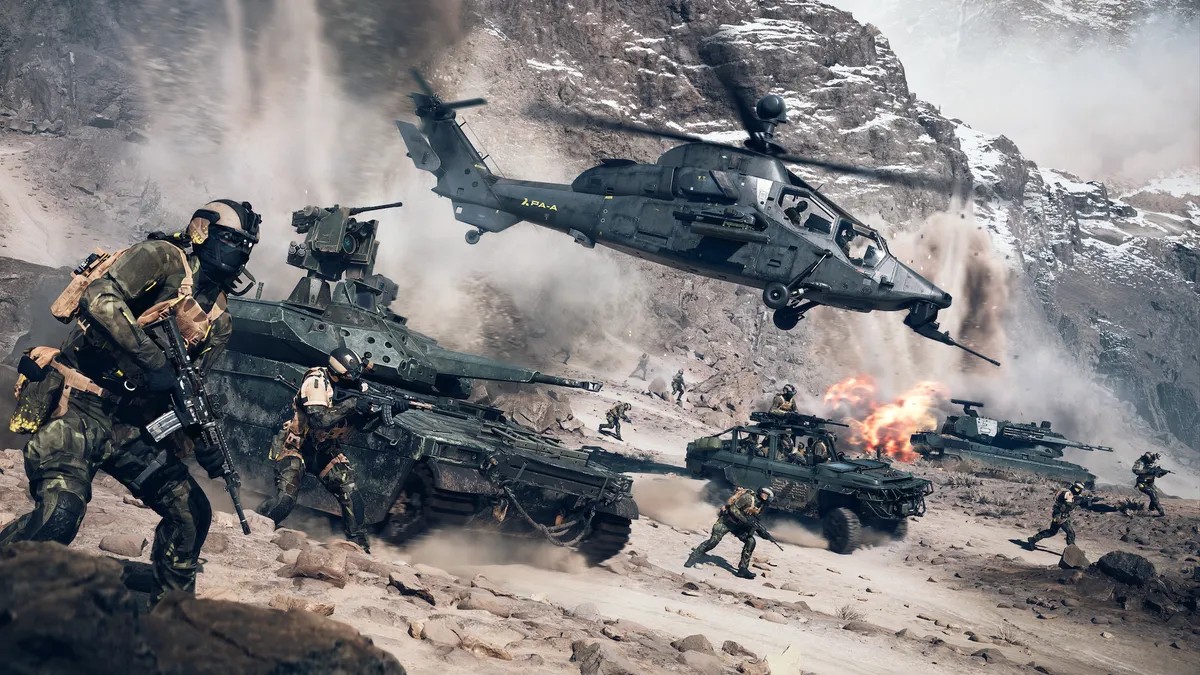
Battlefield is back. EA DICE’s latest entry, simply titled Battlefield, delivers the franchise’s signature large-scale combat with intense firefights, squad-based tactics, and a mix of infantry and vehicles. While the game leans into faster-paced action reminiscent of competitors like Call of Duty, it largely retains what makes Battlefield unique. However, some controversial choices and a noticeable downgrade in environmental destruction hold it back from reaching its full potential.
The Core Experience: Squad Warfare at Its Finest
The heart of Battlefield remains its epic battles. Players will experience moments of desperate survival – reviving teammates under heavy fire, coordinating pushes with a squad, or taking down an enemy tank with well-timed explosives. These are the moments that define the franchise, and the new game delivers them reliably.
The open beta testing has already revealed a few changes that may frustrate long-time fans. The biggest shift is the removal of class-specific weapons. Now, every class can wield any weapon in the game, though certain weapons still perform better in specific roles. This change seems designed to broaden the game’s appeal, but it dilutes the traditional Battlefield formula. The studio has confirmed that this approach will remain the dominant way to play.
Destruction That Disappoints
One of the most significant downgrades is the limited environmental destruction. Unlike Battlefield 1 and Battlefield 5, where buildings could be leveled, Battlefield barely allows for more than superficial damage. Explosives and tank rounds only crumble outer walls, leaving the underlying structure intact. This is a major drawback, especially in dense urban maps where destroying buildings was a key tactical advantage.
The progression system also restricts access to powerful demolition tools. Players must grind through levels and complete challenges to unlock C4 charges and other explosives, limiting early-game strategic options.
A Balanced Arsenal and Engaging Modes
Despite these drawbacks, Battlefield boasts a robust arsenal of 41 main weapons at launch. While some categories are more limited than others (shotguns and sniper rifles have only three options each), the variety encourages experimentation. The game also features a solo campaign – a middling spy thriller that provides enough intrigue to keep players engaged between multiplayer matches.
The large-scale All-Out Warfare modes stand out. Breakthrough and Conquest provide the classic Battlefield experience, while Escalation can feel slow-paced. The close-quarters modes, like Team Deathmatch and King of the Hill, are more divisive; without vehicles, the Engineer class feels underpowered.
A Controversial Change: Open Weapon System
The decision to allow all classes to use all weapons has sparked debate among fans. While it does broaden weapon choice, it also diminishes the strategic importance of class specialization. However, initial data from the open beta suggests that players have largely embraced the change, with no single weapon dominating the meta. The developers seem determined to stick with this system, despite resistance from some die-hard fans.
Final Thoughts
Battlefield delivers large-scale battles where squads capture objectives and outmaneuver opponents with coordinated tactics. Despite some questionable design choices, the game shines in its core strength: chaotic, immersive warfare. The limited destruction and controversial weapon system hold it back from greatness, but it remains a worthy addition to the franchise. The game will launch on October 10th, and players should prepare for a chaotic, rewarding experience.