


Despite ongoing tariffs and broader economic uncertainty, global smartphone sales increased in the third quarter of 2025, rising 2.6% year-over-year to 322.7 million units. The data, released by the International Data Corporation (IDC), signals resilience in a market often considered sensitive to economic strain. This trend is largely driven by premium devices, notably Apple’s iPhone 17 and Samsung’s latest foldable series, proving consumers still seek high-end phones even when budgets tighten.
iPhone 17 Demand Exceeds Expectations
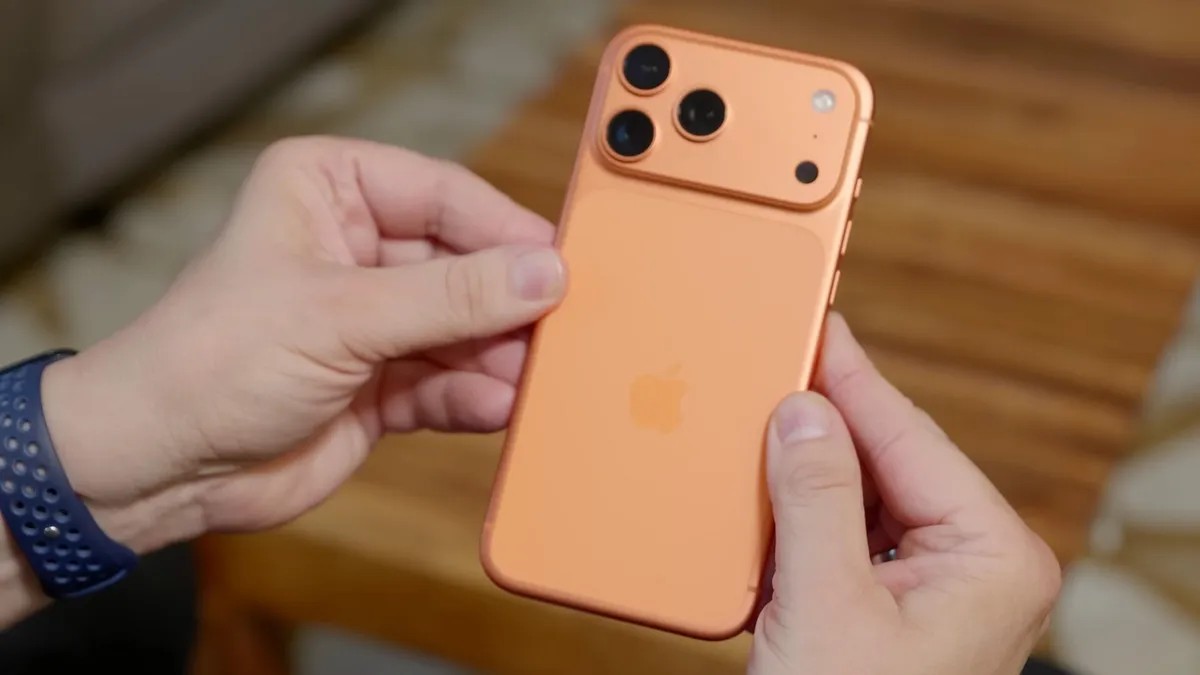
Preorders for the iPhone 17, launched last month, already surpass those of the iPhone 16 in the previous year. Apple shipped 58.6 million units this quarter, a 2.9% increase from 2024. While impressive, Samsung remains the market leader: the company sold 61.4 million smartphones, capturing 19% of global market share – a 6.3% increase from last year. Samsung’s Galaxy Z Fold 7 and Flip 7 have also seen record sales, suggesting that foldable technology is gaining mainstream traction.
The Role of Financing and Trade-Ins
The IDC attributes this surprising sales growth to aggressive financing options and trade-in programs. As Nabila Popal, IDC senior research director, explains, “[Phone makers] have mastered the art of innovation not only in hardware and software to entice upgrades but also in removing purchase friction. They have flawlessly combined cutting-edge devices with innovative financing models and aggressive trade-in programs that make the upgrading decision a ‘no-brainer’ for consumers.”
This means that even though phones cost between $800 and $2,000, consumers are easily convinced to upgrade thanks to these incentives. The ability to spread payments or trade in old devices lowers the immediate financial burden, making high-end purchases more accessible.
Market Share Breakdown
Beyond Apple and Samsung, the smartphone landscape is dominated by Xiaomi (13.5% market share), Transsion (9%), and Vivo (8.9%). Other players – including Oppo, Honor, Motorola, and Google – collectively account for the remaining 31.4% of sales.
This demonstrates a competitive market where established brands battle for dominance while still leaving space for smaller manufacturers to compete. The overall growth suggests that despite economic challenges, demand for smartphones remains strong, fueled by both innovation and clever marketing strategies.
Smartphone sales continue to defy expectations, proving that the industry is capable of weathering economic storms through innovation and smart financing. This trend raises questions about consumer behavior and the effectiveness of marketing tactics, but the numbers clearly show that people are still willing to spend on premium devices.