



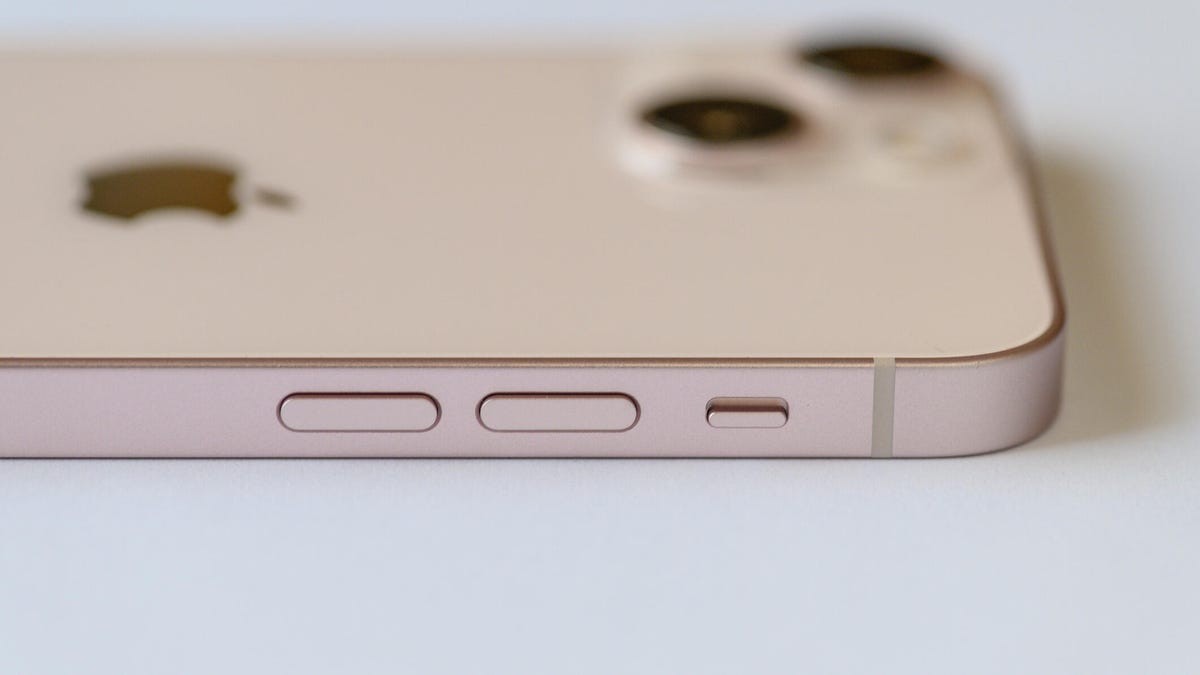
Apple is reportedly planning to eliminate all physical buttons from future iPhones, replacing them with solid-state alternatives that provide haptic feedback. According to a recent leak from a source on the Chinese social media platform Weibo, the company intends to implement this change by 2027. The shift would affect the power button, volume controls, and even the camera shutter, replacing them with touch-sensitive surfaces that simulate the feel of buttons through vibrations.
The Transition to Solid-State Buttons
The move to solid-state buttons isn’t entirely new. Several Android manufacturers, notably HTC with its 2018 U12 Plus model, have experimented with buttonless designs before. Apple already employs haptic feedback in its devices – most notably, the iPhone 7 and later models used a fully haptic “home button” and MacBooks have used trackpads without actual hardware for nearly a decade.
The technology relies on haptics, which deliver tactile feedback through vibrations, letting users know when they’ve successfully activated a function. This eliminates moving parts, potentially increasing the device’s durability and sealing it more effectively against water and dust.
Why This Matters
The removal of physical buttons is part of a broader trend towards seamless, minimalist design in consumer electronics. Eliminating buttons reduces the risk of mechanical failure, simplifies manufacturing, and opens new possibilities for industrial design. It also aligns with Apple’s ongoing efforts to create more durable and reliable products.
The source behind the leak has a mixed track record, but recent reports have proven more accurate than not. Still, until Apple officially confirms the changes, this remains unverified speculation.
Long-Term Implications
While users may require some adjustment to the new controls, the transition could result in more reliable devices. The absence of physical buttons eliminates a common point of failure, reducing the need for repairs and improving overall device longevity. Apple’s move signals a potential industry shift, with other manufacturers likely to follow suit if the technology proves successful.
The elimination of physical buttons from iPhones will mark a significant step in smartphone evolution, further blurring the line between hardware and software while prioritizing durability and user experience.