



Meta, the parent company of Facebook, is preparing to launch a smartwatch competitor to the Apple Watch later this year. The device, internally known as “Malibu 2,” will feature standard health-tracking capabilities and a built-in Meta AI assistant. This move represents a strategic pivot for Meta, which has recently scaled back its metaverse ambitions while simultaneously doubling down on wearable technology.
Wearable Focus: A Response to Metaverse Challenges?
The smartwatch project isn’t entirely new. It’s reportedly the second iteration of a previously shelved device, suggesting Meta has long considered entering the wearable market. While the original design was rumored to include a built-in camera, it’s unclear whether this feature will make it into the final product. The significance of the “2” in the codename points to a refinement of earlier concepts, indicating Meta is serious about this venture.
Synergies with Existing Products
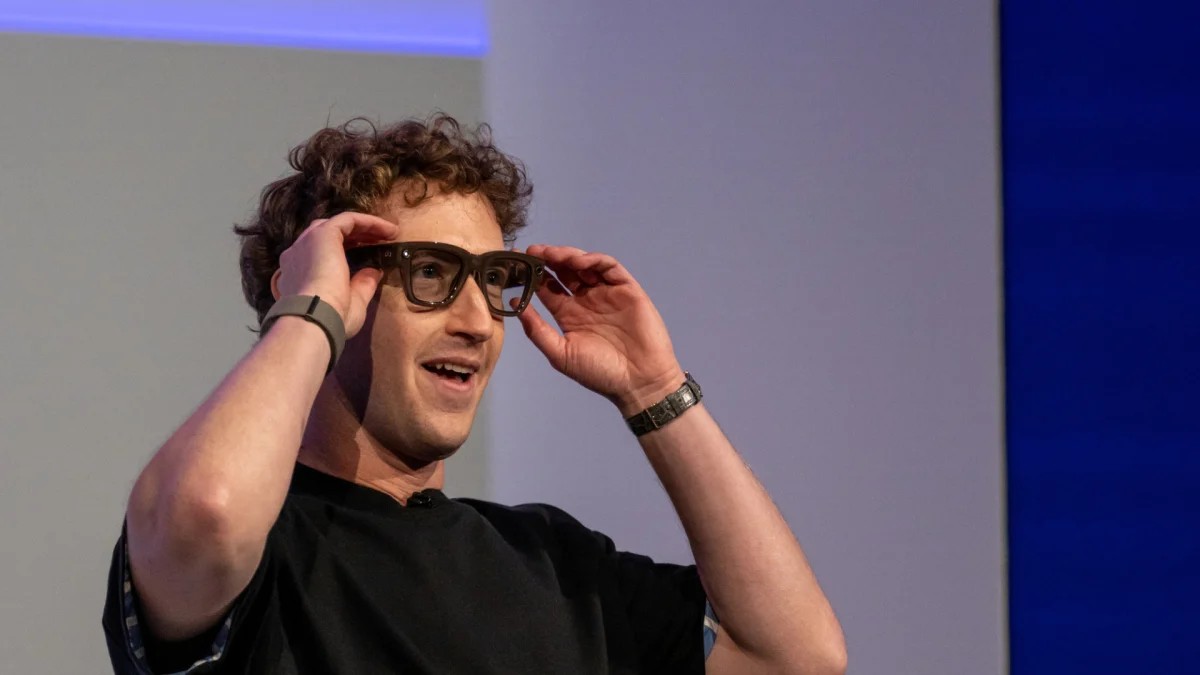
The launch of a smartwatch aligns with Meta’s existing hardware portfolio, including its VR headsets, Ray-Ban Meta smart glasses, and Oakley Meta smart glasses. The new device could enable gesture-based control of these other gadgets, creating a more seamless ecosystem for Meta’s users.
Cost-Cutting Measures and Strategic Realignment
Meta’s renewed interest in smartwatches comes after the company laid off over 1,000 employees working on metaverse projects. According to CEO Andrew Bosworth, the company is now prioritizing wearables as a key component of its future strategy. This suggests Meta is recognizing the practical limitations of immersive virtual worlds and is instead focusing on more tangible, consumer-ready devices.
Meta’s shift towards wearables reflects a broader trend in the tech industry where companies are re-evaluating the viability of long-term metaverse projects in favor of immediate consumer products.
The smartwatch launch could signal a broader industry trend toward prioritizing practical hardware over speculative virtual environments. If Meta succeeds, it could establish itself as a major player in the wearable market, offering a unique alternative to Apple and other established competitors.