



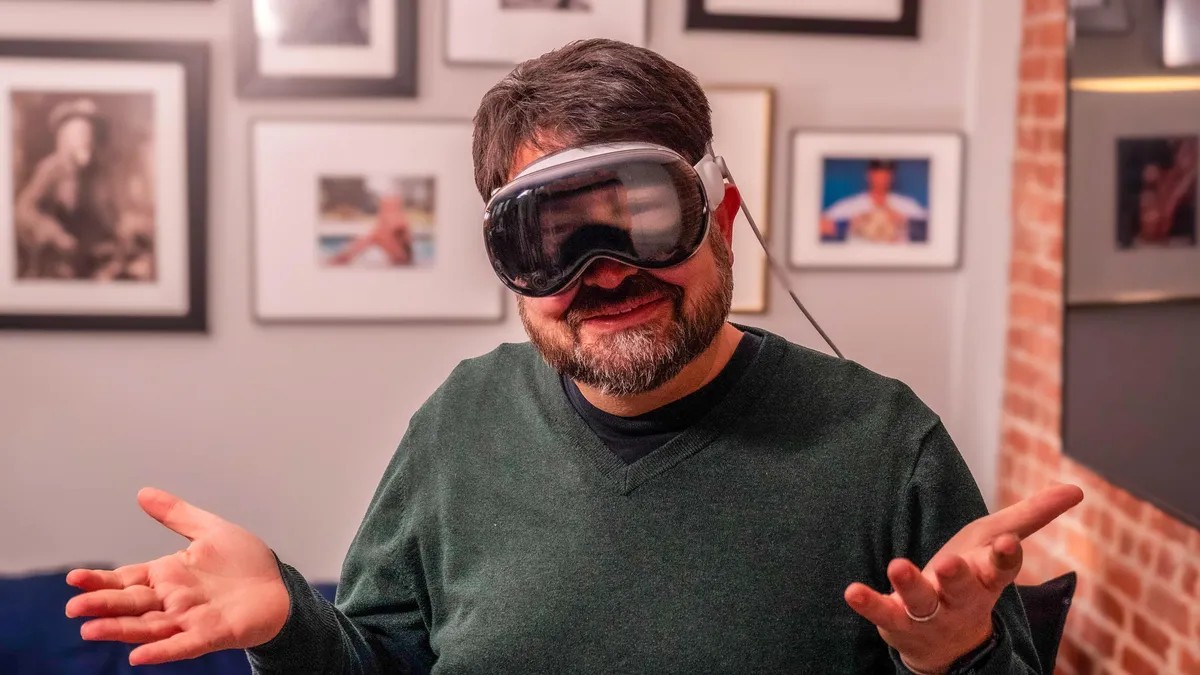
After a two-year wait, YouTube is now natively available as an app on Apple’s Vision Pro headset. The launch, announced Thursday, fills a significant gap in the device’s content library and signals a potential shift in how major tech companies approach spatial computing.
The Long Wait and Third-Party Workarounds
For over two years, Vision Pro users relied on workarounds, primarily accessing YouTube through the Safari browser. While functional, this method couldn’t fully leverage the headset’s immersive capabilities, particularly for 3D, 360-degree, and 180-degree video formats. A third-party app, Juno, briefly filled the void but was later removed from the App Store.
Why This Matters: The Future of Immersive Video
The absence of YouTube was notable because the platform hosts a vast amount of spatial video content. Apple’s Vision Pro, designed for mixed reality experiences, seemed naturally suited for this type of content. The delay suggests complex negotiations or technical hurdles between Apple and Google, who compete in multiple tech sectors.
The launch is also a win for consumers. YouTube’s presence unlocks true immersive viewing on the Vision Pro, something the Galaxy XR headset from Samsung and Google has demonstrated since its release last fall.
What’s Next: Google’s Spatial Strategy
The arrival of YouTube on Vision Pro raises questions about Google’s broader strategy in spatial computing. The company has been slower to embrace Apple’s platform compared to its own Android ecosystem. Whether other Google apps, such as Maps or Chrome, will follow remains to be seen.
The long-awaited integration of YouTube on Apple Vision Pro confirms that major content providers are recognizing the potential of spatial computing, and that competition between tech giants will drive innovation in this emerging field.
The native YouTube app on Vision Pro is a step toward mainstream adoption of immersive video, and it highlights the growing importance of spatial platforms in the tech landscape.