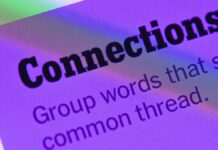

The New York Times daily puzzle, Connections, continues to challenge players with its word association categories. Today’s puzzle (#905) requires careful deduction to group words based on subtle connections.
Decoding Today’s Puzzle
The puzzle consists of four categories: yellow (easiest), green, blue, and purple (most difficult). The goal is to identify four words that share a common theme.
- Yellow Group: The words are ballpark, broad, general, and rough. The underlying theme is terms that mean “approximate.”
- Green Group: The answers are frick, fudge, shoot, and sugar. These are all mild exclamations or euphemisms for stronger swear words.
- Blue Group: The grouping consists of Angel, Met, Ray, and Royal. These are all MLB (Major League Baseball) team names.
- Purple Group: The trickiest set includes brow, dada, MOMA, and sisi. These are all nicknames for family members (bro, dad, mom, sis) with an added letter.
Beyond the Answers: The Rise of Daily Puzzle Tracking
The Times has recently introduced a Connections Bot, similar to its Wordle tracker. This allows players to receive a numeric score and detailed analysis of their performance. This feature reflects a broader trend: gamification of cognitive challenges. Players now track wins, streaks, and puzzle completion rates, turning word games into data-driven hobbies.
Recurring Puzzle Difficulties
Some Connections puzzles stand out for their ambiguity. The most challenging include:
- Things That Can Run: Candidate, faucet, mascara, nose.
- Power ___: Nap, plant, Ranger, trip.
- Streets on Screen: Elm, Fear, Jump, Sesame.
- One in a Dozen: Egg, juror, month, rose.
- Things You Can Set: Mood, record, table, volleyball.
These puzzles highlight that difficulty often comes from words with multiple meanings or obscure connections.
The Appeal of Daily Puzzles
Daily word puzzles like Connections tap into our innate desire for mental stimulation and problem-solving. The limited-time format creates a sense of urgency, while the social aspect (sharing hints, comparing scores) fosters community.
The NYT Connections puzzle continues to test players’ vocabulary, pattern recognition, and lateral thinking skills. The growing trend of puzzle tracking suggests that the future of brain games lies in data-driven engagement.