




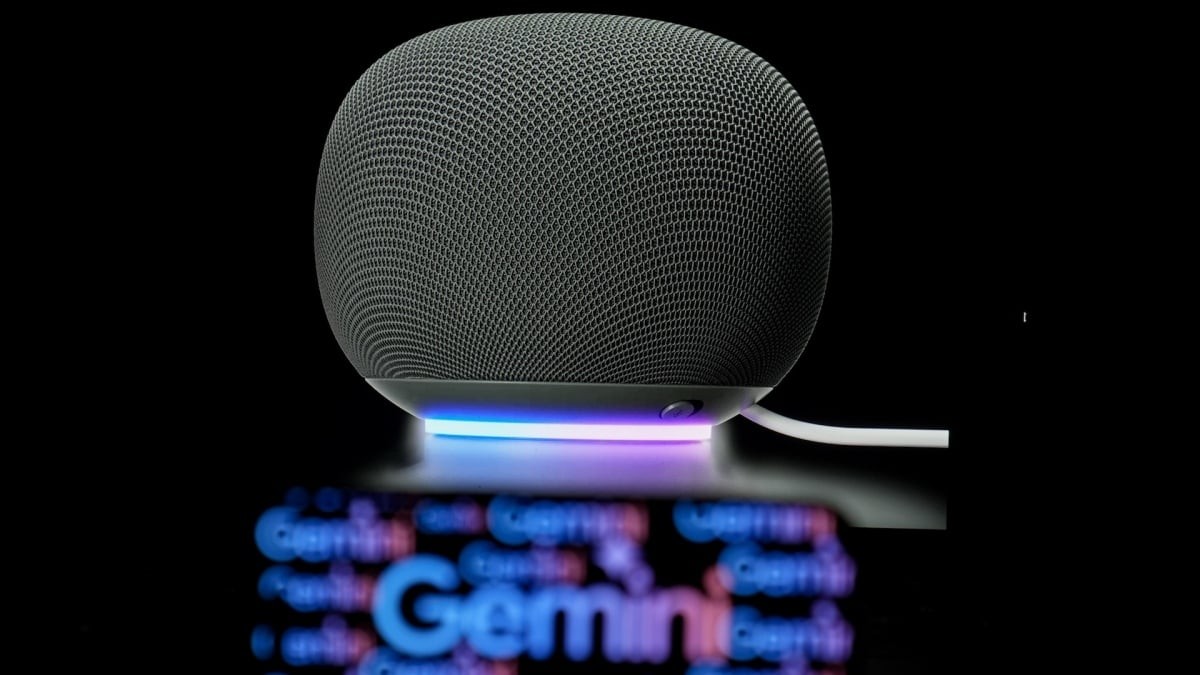
Google is rolling out a series of improvements to its AI-powered Google Assistant replacement, Gemini for Home. These updates, which began in October and November for U.S. users and are now expanding globally, address user feedback on both functionality and usability. While some features remain behind a paywall (Google Home Premium at $10/month or $100/year), the latest changes focus on refining voice command accuracy, enhancing smart home integration, and improving location-based responses.
Key Updates: A Breakdown
The most significant addition is “Live Search” for Nest cameras, exclusively for Premium subscribers. This feature allows users to ask Gemini questions about their home’s current state—for example, “Hey Google, is there a car in the driveway?”—and receive an update based on footage from installed Nest cameras. This expands Google’s AI-powered visual search capabilities, previously limited to smartphone cameras, into the smart home ecosystem.
However, the introduction of AI-powered camera analysis raises privacy concerns. The combination of live video feeds and AI processing introduces potential risks that Big Tech companies have historically struggled to address effectively.
Smarter Home Integration
Beyond cameras, Google has improved integration with Yale Lock smart locks, moving the feature out of beta and into general release. This allows users to manage security settings, such as passcodes and guest access, directly within the Google Home app.
Additionally, Nest Wifi Pro has seen performance and security upgrades. The company claims these changes enhance stability and protection for connected devices.
Voice Command Accuracy and Device Naming
Google has addressed frequent complaints about interrupted voice commands. The team has reduced premature cutoffs to ensure Gemini fully understands user requests, leading to smoother conversations.
The AI is now better at recognizing devices with unique or unconventional names. Gemini will automatically identify a device named “Table Glow” as a light, even without the word “light” in its name, streamlining interactions.
Location-Based Responses
Gemini for Home is becoming more contextually aware of a user’s location. By leveraging home address data, the AI can deliver more personalized news, weather, and smart home controls. This is particularly useful for households with multiple users who may be in different locations.
Google has also fixed command targeting to ensure actions—such as turning off lights—are applied only to the current location if a user has multiple smart homes linked to a single account.
In conclusion, Google’s latest Gemini for Home updates represent a step forward in smart home AI integration. While the paywalled features may frustrate some users, the improvements to voice recognition, device compatibility, and location awareness offer tangible benefits. The focus on refining AI usability suggests Google is responding to early criticism and aiming to create a more seamless smart home experience.