




ExpressVPN has introduced a novel VPN browser extension that uniquely combines the functionality of a lightweight proxy with full-device VPN protection. This hybrid approach offers users greater control over how and when their online activity is secured, simplifying a choice traditionally presented as either/or.
Bridging the Gap Between Browser and Device Security
For years, VPN users have faced a trade-off: browser extensions that protect only browser traffic, or full VPN applications encrypting all device-level internet activity. ExpressVPN’s new extension eliminates this division. It can operate independently to secure just browser data, or integrate with the company’s desktop app to extend protection across the entire system.
This matters because modern browsing habits are increasingly fragmented. Users expect privacy on specific sites (streaming, banking) but don’t always need full VPN protection for casual browsing. A hybrid tool lets them adapt security levels on the fly.
Smart Routing and Advanced Leak Protection
The extension features “Smart Routing,” allowing automatic VPN server assignment to specific websites. This means users can pre-configure settings for sensitive sites like financial portals while leaving others unprotected, streamlining the experience.
Beyond routing, the extension includes built-in WebRTC leak blocking and HTML5 geolocation controls – essential for preventing websites from identifying a user’s true location through browser data. These features are crucial because many sites exploit browser data to fingerprint and track users, even with VPNs enabled.
Expanding Into Virtual Reality
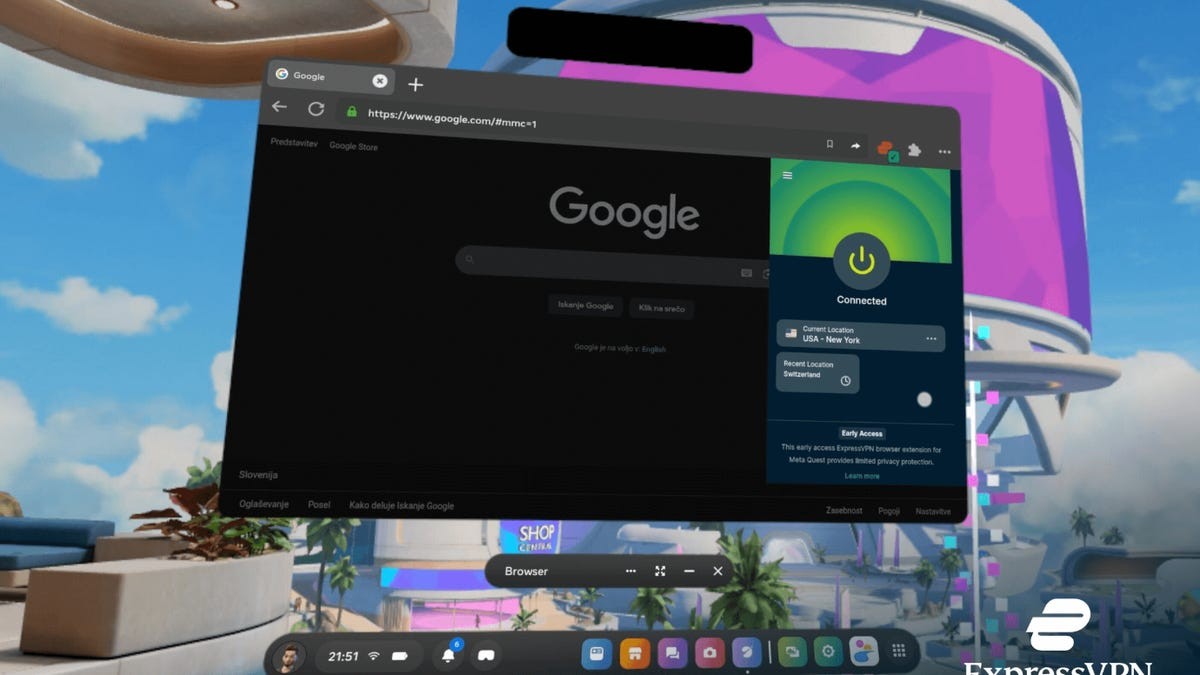
ExpressVPN is also expanding VPN support into virtual reality (VR). A dedicated VPN app is now available on Meta Quest, with a browser-only version of the hybrid extension in development. This fills a critical gap, as traditional VPN apps have historically been difficult to implement in VR environments.
The significance? As more digital life moves into immersive platforms like VR, privacy tools must adapt. Securing web activity inside VR is just as important as protecting it on traditional devices.
The company’s move signals a shift in the VPN market towards more flexible, use-case-specific privacy solutions. As browsing expands beyond laptops and smartphones, hybrid extensions and VR-compatible VPNs may become increasingly essential tools for maintaining online anonymity and security.