



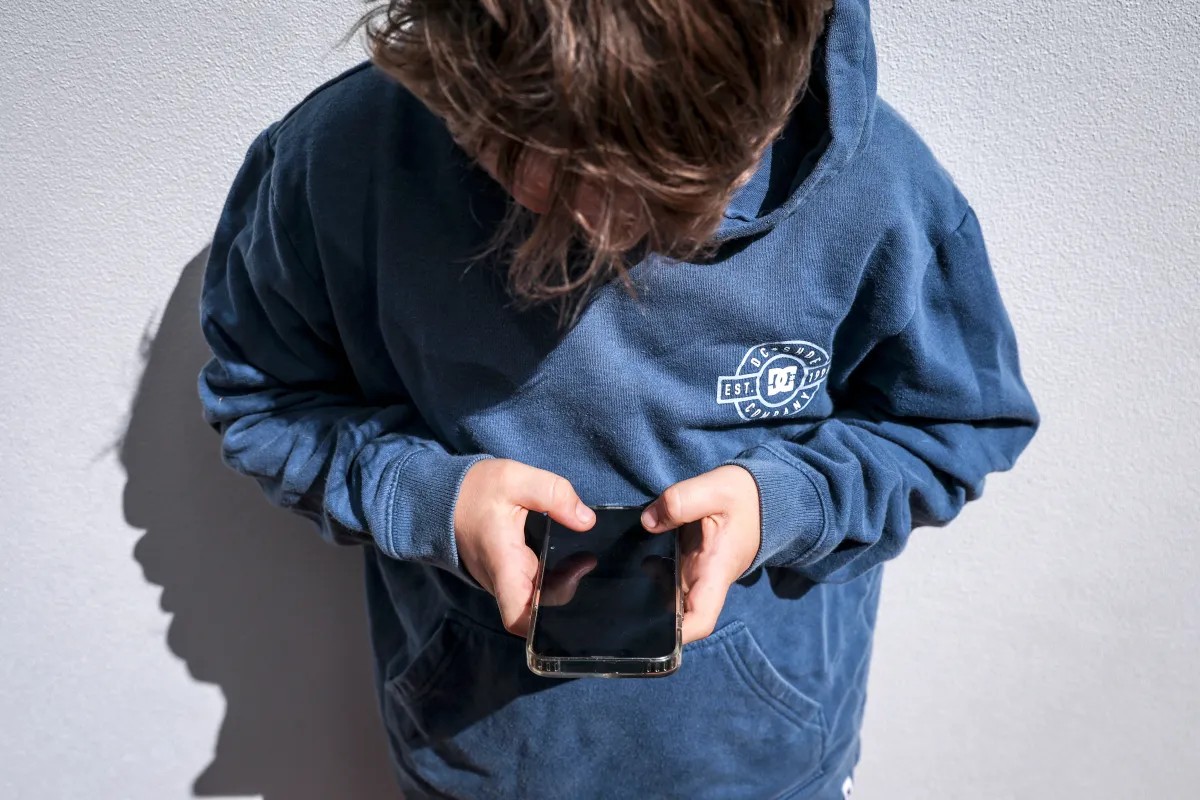
A growing number of countries are moving to ban or severely restrict minors’ access to social media platforms, marking a significant shift in how governments are addressing the perceived harms of these technologies. The trend began gaining momentum at the end of 2023, with Australia leading the way by implementing the world’s first comprehensive ban for users under 16. This action is now being closely observed and emulated by nations worldwide.
Why This Matters: A Response to Rising Concerns
The surge in bans isn’t arbitrary. It’s a direct response to mounting evidence linking social media use to increased rates of cyberbullying, addiction, mental health problems (including anxiety and depression), and exposure to predatory behavior among young people. The debate over the role of social media in shaping adolescent development has reached a critical point, prompting governments to take decisive action.
Countries Implementing or Considering Bans
Here’s a breakdown of nations actively pursuing restrictions:
- Australia: Implemented a ban in December 2025 on platforms like Facebook, Instagram, TikTok, and X for users under 16, with companies facing penalties up to $34.4 million USD for non-compliance. Age verification is a key component of enforcement.
- Denmark: Secured parliamentary support for a ban on under-15s accessing social media, with legislation potentially taking effect by mid-2026. A “digital evidence” app with age verification tools is also being developed.
- France: Passed a bill in January 2026 banning under-15s, though it requires Senate approval before final passage. President Macron has publicly supported the measure to curb excessive screen time.
- Germany: Conservative lawmakers proposed a ban on under-16s, but coalition partners remain hesitant. The discussion underscores the political complexities of implementing such restrictions.
- Greece: Is reportedly close to announcing a ban for under-15s.
- Indonesia: Plans to ban children under 16 from platforms like YouTube, TikTok, Facebook, and Instagram.
- Malaysia: Has announced plans to ban social media for under-16s this year.
- Slovenia: Is drafting legislation to prohibit access for under-15s, focusing on platforms like TikTok, Snapchat, and Instagram.
- Spain: Announced a proposed ban for under-16s, pending parliamentary approval. Additionally, the government seeks to hold social media executives personally accountable for hate speech.
- United Kingdom: Is weighing a ban for under-16s, with ongoing consultations with parents, youth, and civil society.
The Debate Over Effectiveness and Privacy
While many governments are pushing forward, the approach isn’t without its critics. Amnesty Tech and other organizations argue that outright bans are ineffective and that they ignore how young people actually use the internet. Moreover, concerns have been raised about the privacy implications of invasive age verification methods and the potential for excessive government intervention.
The Future of Social Media Regulation
This wave of bans suggests a growing global consensus that current social media platforms pose significant risks to children. The effectiveness of these measures remains to be seen, but it’s clear that policymakers are no longer willing to stand by while the negative effects of social media on young people go unchecked.
The next few years will be critical in determining whether these bans will succeed in protecting minors or if they will ultimately prove to be unenforceable and ineffective.