




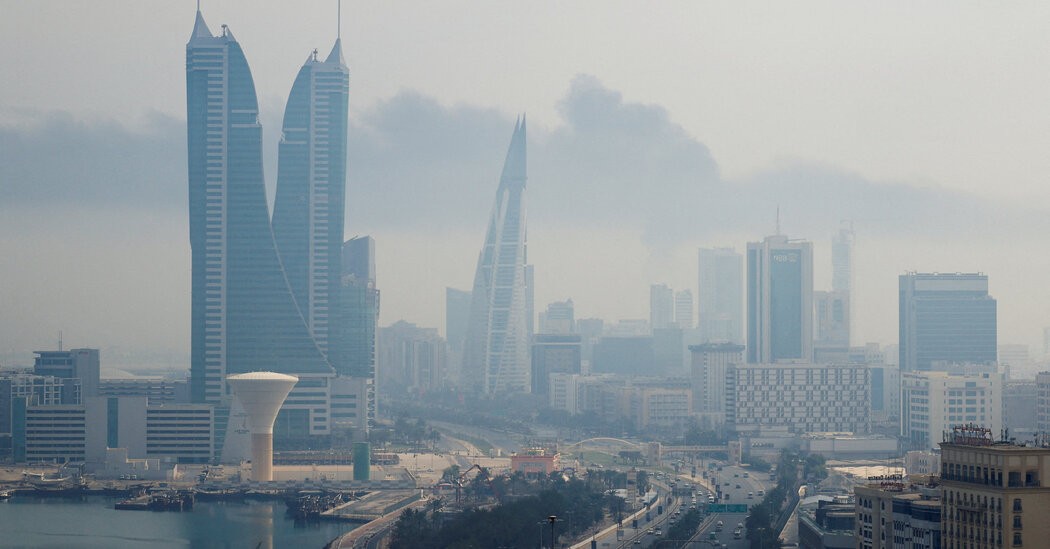
American tech giants, including Amazon, Google, and Microsoft, made substantial investments in data centers across the Persian Gulf in recent years, drawn by the region’s rapid economic growth, low operational costs, and strategic location for connecting to markets in Africa and Europe. These expansions were intended to capitalize on the growing digital economies of nations like Saudi Arabia, the UAE, and Bahrain. However, escalating geopolitical tensions, particularly following the U.S.-Israeli conflict with Iran, have exposed these investments to direct physical risk.
The Rise of Gulf Data Centers
Over the past five years, tech spending in the Middle East has surged from $36 billion in 2020 to approximately $65 billion in 2023, with data center and cloud service investment jumping 75% to $895 million in the last year alone. Companies like Amazon, which opened its first Gulf data center in Bahrain in 2019, saw the region as a stable environment for expansion. Andy Jassy, Amazon’s CEO, personally visited Saudi Arabia in 2023, highlighting the company’s commitment to investing over $10 billion in new projects. The Gulf offered deep-pocketed governments and investors eager to participate in the AI race.
The Impact of Iranian Strikes
On March 1, Iranian drones directly targeted Amazon’s data center in Bahrain, causing damage and disrupting services for many customers. Two other data centers in the UAE were also hit. These strikes demonstrate a clear shift: the Gulf is no longer a safe haven for tech infrastructure. The region’s proximity to conflict zones and increasing regional instability pose tangible threats to critical digital assets.
Why This Matters
This situation highlights a fundamental risk for global tech companies: reliance on geopolitical stability in emerging markets. The Gulf’s appeal stemmed from cheap energy, relaxed regulations, and growing economies. But this is now overshadowed by the potential for direct military action. The disruption of these data centers has immediate consequences, leaving customers without computing power and raising questions about the long-term viability of large-scale tech investments in volatile regions. The future of AI and cloud services in the Gulf will depend on how quickly these risks are addressed and how effectively security measures can be implemented.
The attacks serve as a warning: the digital economy is not immune to physical conflict. Tech firms must now re-evaluate their strategies for operating in high-risk environments, potentially shifting investments to more secure, though perhaps less profitable, locations.