


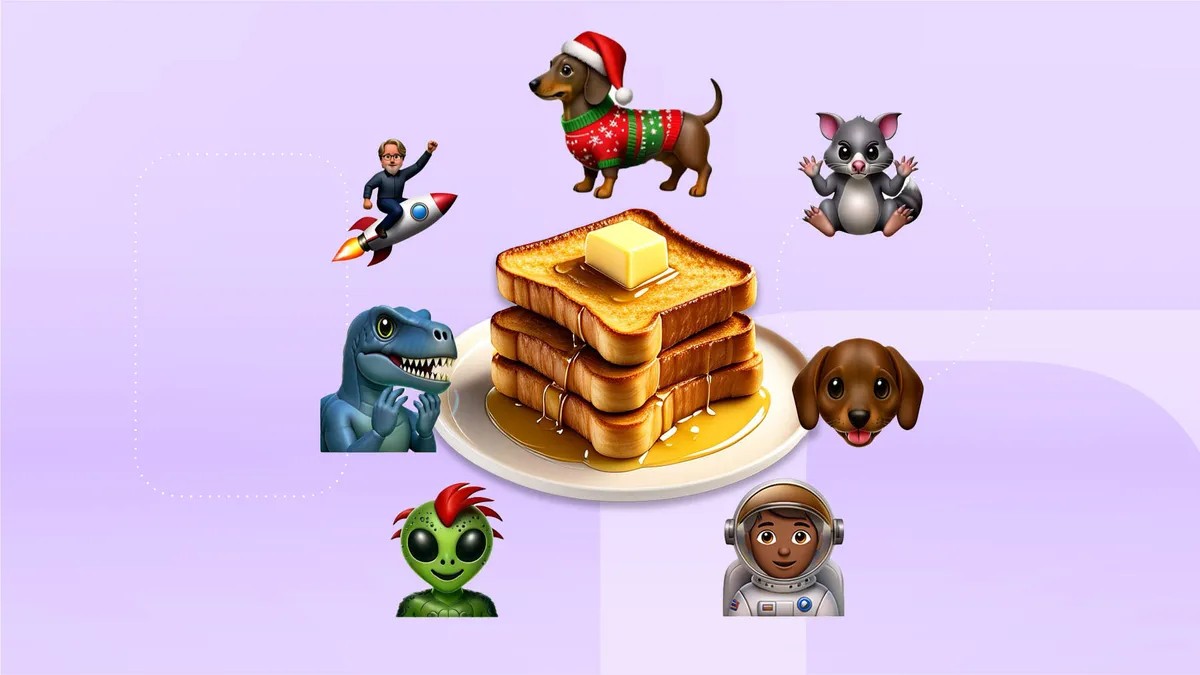
Apple’s new Genmoji feature, introduced with iOS 18.2 and expanding in iOS 26.4, allows iPhone users to design and use custom emoji without waiting for the annual Unicode Standard updates. Currently, there are over 3,953 official emoji, covering everything from basic smileys to sports icons and flags. However, many common requests — like a dog in pajamas or a burger-and-fries plate — remain absent.
Genmoji bypasses this limitation entirely. Instead of relying on the Unicode Consortium to approve new characters (a process that takes time), you can generate them directly on your iPhone. This feature is available on iPhones with Apple Intelligence, such as the iPhone 17 models.
How It Works: Generating Custom Emoji
The process is simple. Open any Messages conversation and follow these steps:
- Tap the “+” button next to the text input field.
- Select “Genmoji” from the options.
- Describe your desired emoji. Type a clear description (e.g., “a cat wearing sunglasses”) into the text box, then tap the checkmark. Alternatively, explore the pre-set suggestions and themes provided.
- Swipe through the generated options. Your iPhone will create a series of custom emoji based on your description.
- Add to your keyboard. When you find one you like, tap “Add” in the top-right corner to save it as a usable emoji, tapback, or sticker.
Why This Matters: The Future of Digital Expression
The Unicode Standard adds new emoji once per year, meaning users often have to wait for their desired characters to become available. Genmoji eliminates this wait time, providing instant customization and giving users greater control over their digital expression.
With Genmoji, Apple is shifting the power of emoji creation from a centralized body to individual users. This could revolutionize how we communicate in the digital age, making it more personal and immediate.
This also raises questions about the long-term role of the Unicode Consortium. As more platforms offer similar generative tools, the need for standardized approval may diminish, potentially leading to a more fragmented but highly personalized emoji landscape.