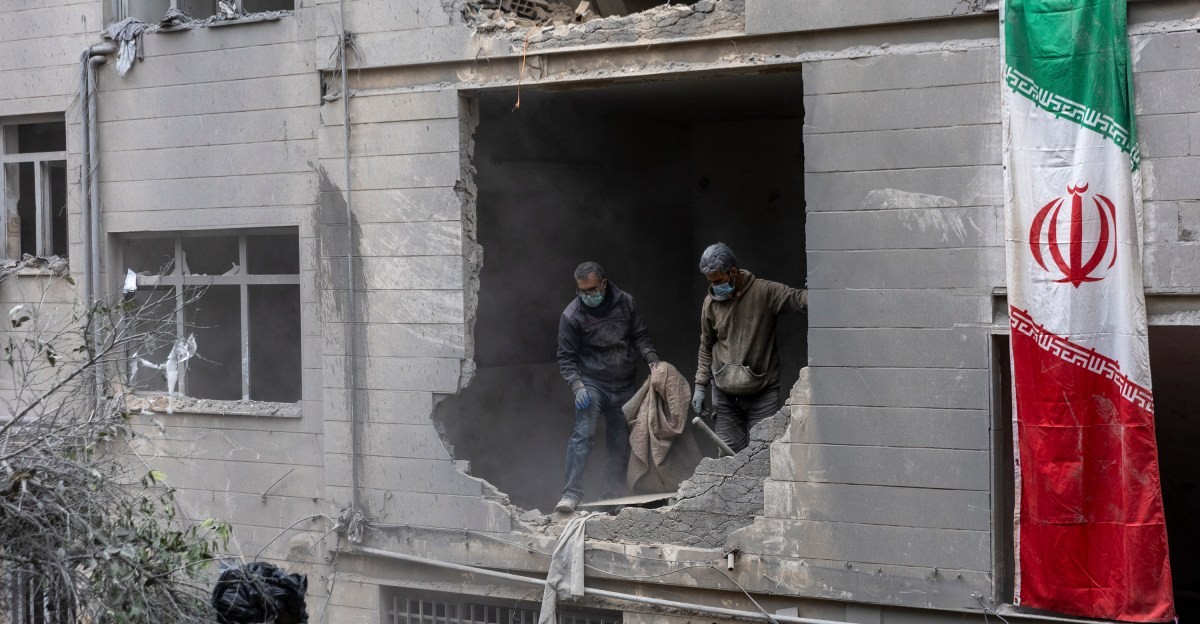
The ongoing conflict with Iran presents a stark paradox: despite suffering severe military setbacks, including the loss of key leadership and widespread destruction of assets, Iran may emerge in a stronger geopolitical position. This outcome isn’t about battlefield dominance, but about economic leverage and the asymmetric nature of modern warfare.
The Strait of Hormuz as Leverage
Iran’s blockade of the Strait of Hormuz has proven remarkably effective, forcing the United States to the negotiating table under intense economic pressure. If Washington backs down, it will validate Iran’s ability to hold the global economy hostage, effectively securing a victory despite military defeat. This would be a significant failure for the U.S.-Israel coalition, particularly given the lack of strategic foresight in initiating the conflict.
Trump’s Strategic Void
President Trump launched the war without a clear endgame, shifting objectives repeatedly. This demonstrates that raw military power cannot compensate for a complete lack of strategic direction. His tendency to declare victory regardless of facts has been ineffective this time, as Iran refuses to concede despite substantial punishment. The conflict highlights the difference between battlefield tactics and geopolitical strategy.
Asymmetric Warfare and Iranian Resilience
The conflict illustrates the growing asymmetry of modern warfare. The U.S. and Israel deploy cutting-edge technology, including AI, to inflict heavy damage on Iran’s military infrastructure. However, Iran leverages cheap drones to exhaust expensive interceptor systems, knowing that even a few successful strikes against U.S. assets (bases, hotels, or energy facilities) constitute a win. In asymmetric conflicts, Iran only needs to get lucky once; the U.S. and Israel must be lucky every time.
The Power of Geography
The conflict underscores a timeless principle of war: geography matters. Iran’s location gives it leverage over the Strait of Hormuz, a critical waterway for global oil trade. Even if the U.S. manages to reopen the strait through force or negotiation, Iran will remain in place, having demonstrated the potency of its geographic weapon. This lesson will not be forgotten by the rest of the world.
The Iran conflict proves that in modern warfare, “winning” isn’t always about conquering territory. It’s about exploiting vulnerabilities, leveraging asymmetric advantages, and refusing to play by conventional rules. The outcome will likely reshape global geopolitics, regardless of who formally declares victory.