




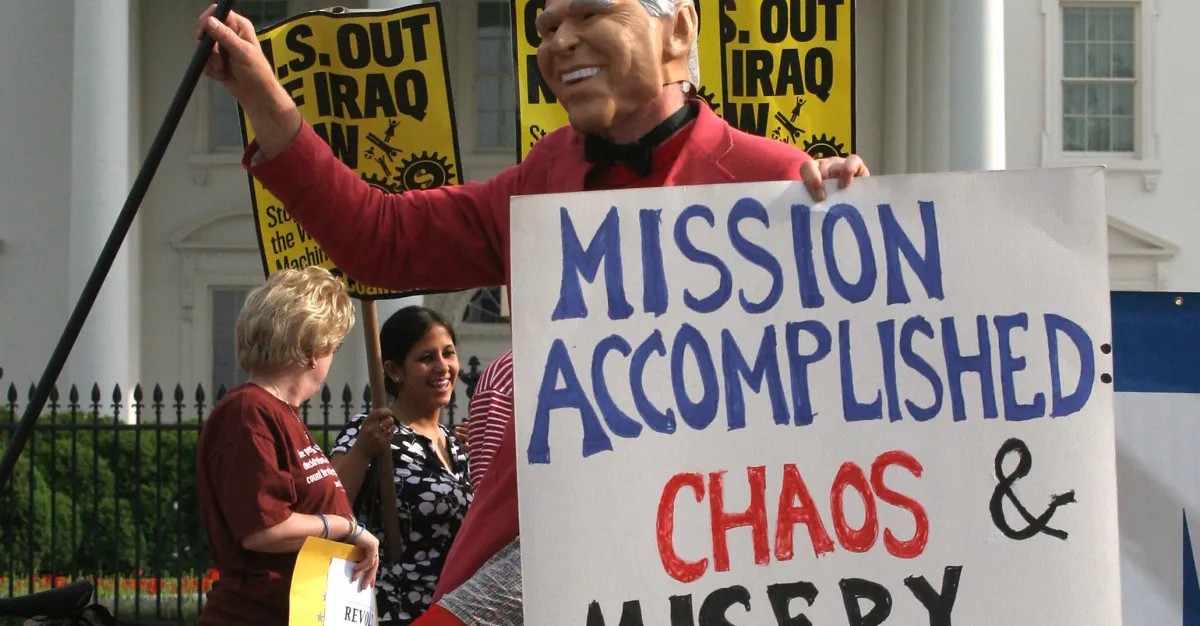
For decades, the Republican Party’s foreign policy was largely defined by the Bush dynasty: tax cuts, free trade, and interventionist wars justified by the spread of democracy. But Donald Trump’s rise shattered that model, promising tariffs, isolationism, and a rejection of global hegemony. While some right-wing populists hoped for a complete break, the reality is far more nuanced. Trump’s foreign policy isn’t a coherent ideology, but a volatile mix of nationalism, opportunism, and personal whim.
The Overlap: Continuity in Aggression
Both Bush and Trump authorized preemptive wars, pursued regime change in the Middle East, increased defense spending, maintained global military deployments, and even committed war crimes. Bush’s invasion of Iraq without key NATO allies’ support foreshadowed Trump’s threats against even friendly nations. The core difference isn’t in whether they used force, but why and how.
Neoconservatism vs. Nationalist Opportunism
George W. Bush adhered to “neoconservatism,” a belief in American military dominance combined with spreading democratic capitalism. This meant remaking hostile nations in America’s image, justifying interventions with moral rhetoric about freedom and prosperity. While often hypocritical, Bush’s administration doubled foreign aid and invested in global development, including a $15 billion HIV treatment program.
Trump, however, abandoned such pretenses. His approach is explicitly nationalist: foreign aid is a waste; trade deals are rigged against America; and military intervention is justified by immediate gains, not abstract ideals. He openly frames policies as ways to exploit other nations, whether by seizing resources or weakening rivals.
The Consequences of Divergence
Bush’s long-term interventions in Iraq and Afghanistan caused widespread death and instability, costing trillions of dollars. Trump’s adventures have been less bloody (so far), but his cuts to foreign aid have already led to increased deaths from disease and malnutrition. His contempt for allies has pushed them closer to China, weakening American influence.
The shift from Bush’s hypocritical universalism to Trump’s chaotic nationalism isn’t just cosmetic. It represents a rejection of long-term strategic thinking in favor of short-term gains, even at the expense of global stability. While right-wing populists sought to end the Bush era, they didn’t anticipate a foreign policy defined by gangsterism—naked coercion in pursuit of poorly defined national interests.
Ultimately, Trump’s foreign policy may not put America first, but it prioritizes a ruthlessly transactional approach, leaving the global poor far worse off.