



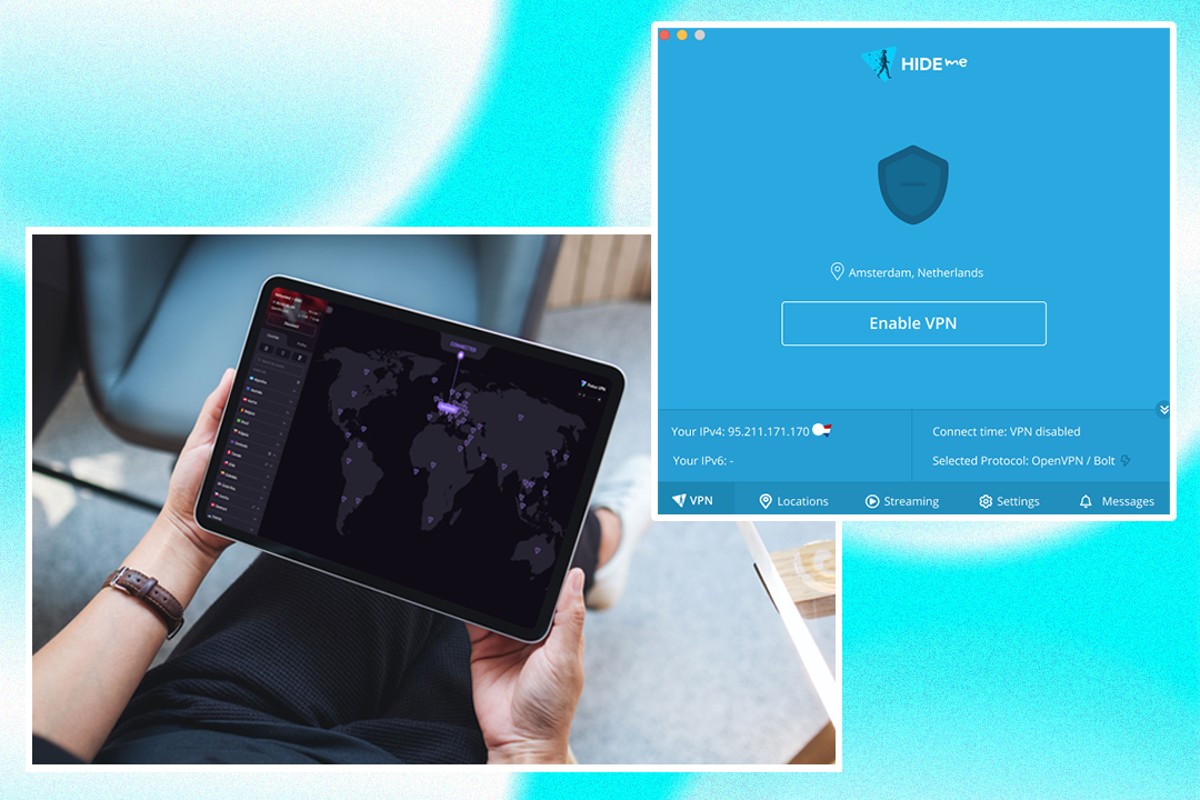
The market is flooded with free VPNs, but most are either unreliable, insecure, or secretly track your data. While a premium VPN is always preferable, some free options stand out as viable – especially if you need temporary protection or want to test a service before subscribing. This guide breaks down the best free VPNs available in 2026 and explains the risks you need to be aware of.
The Top Contenders: Proton VPN and Windscribe
After extensive testing, Proton VPN emerges as the strongest free option due to its unlimited data allowance, fast speeds, and proven privacy record. This is rare: most free VPNs impose strict data caps. Windscribe is a close second, offering feature-rich access – particularly for streaming – and a no-logs policy that has been legally vetted.
These two services strike a balance between functionality and security, unlike many other free VPNs that compromise on both.
Understanding Free VPN Limitations
Free VPNs aren’t free in the traditional sense. They generate revenue in one of three ways:
- Data Caps: Most free services severely restrict how much data you can use.
- Slow Speeds: Free users often share limited bandwidth, resulting in slower connections.
- Data Harvesting: Some free VPNs sell your browsing data to advertisers or use your device as part of a larger network.
The best free options avoid these pitfalls by offering limited but usable service tiers, hoping to convert users to paid subscriptions. Others rely on less invasive methods like showing ads, which is still preferable to outright data theft.
The Security Trade-Off: Why “Free” Can Be Costly
Using any VPN requires trust. A reputable provider won’t log your activity, ensuring that even if legally compelled, they have no data to share. But free VPNs often lack this commitment.
A 2017 study by the CSIRO found that over 72% of free Android VPN apps embed third-party trackers, with some injecting malware or hijacking traffic. While the landscape has improved, the underlying risk remains: free VPNs must monetize somehow, and your data is a valuable commodity.
The core question isn’t whether a free VPN can be safe, but whether you’re willing to accept the trade-offs. If privacy is critical, a paid VPN is always the safer choice.
How We Tested: Key Considerations for 2026
Our tests focused on real-world performance:
- Ease of Use: Intuitive apps are crucial.
- Speed: Free VPNs should provide acceptable speeds for basic browsing.
- Reliability: Automatic reconnection is essential to maintain privacy.
- Features: Ad blocking and kill switches add value, but often restricted on free tiers.
We prioritized services that transparently disclose their policies and undergo independent audits.
Conclusion
Choosing a free VPN requires careful evaluation. Proton VPN and Windscribe offer the best combination of security, speed, and usability in 2026. However, remember that no free service is entirely risk-free. If you demand absolute privacy or require high-speed streaming, a paid VPN remains the most reliable solution.