

As artificial intelligence moves from a novelty to a dominant force in digital life, a fundamental question is emerging: How do you know if you are interacting with a human or a bot?
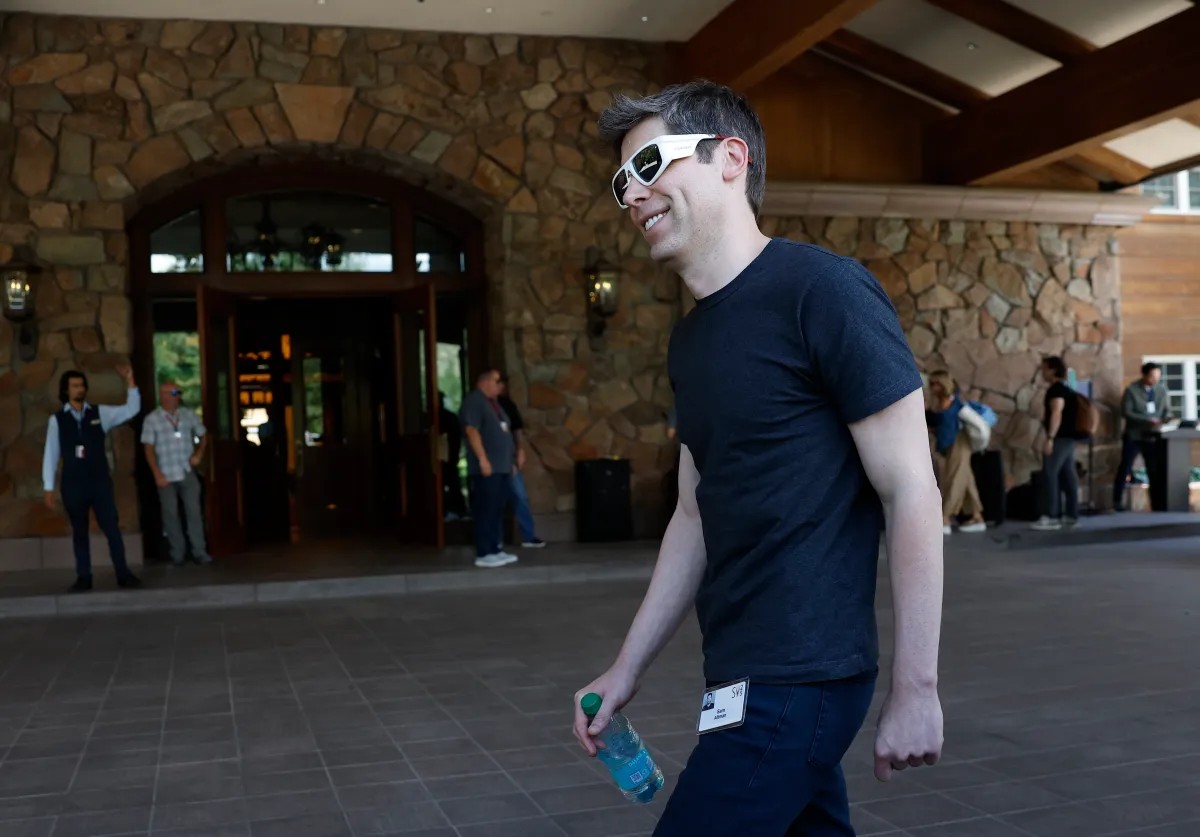
At a recent event in San Francisco, Sam Altman and the team behind World (formerly known as Worldcoin) unveiled a massive expansion of their “proof of human” ecosystem. The project, managed by Tools for Humanity (TFH), is moving beyond niche crypto circles and into the mainstream, targeting dating apps, concert ticketing, and corporate security.
The Core Mission: Fighting the “AI Infiltration”
The driving force behind World is the rapid rise of generative AI. As Sam Altman noted during his presentation, we are approaching a tipping point where AI-generated content and agents will outnumber human-generated ones. This creates a massive trust deficit in digital spaces.
World aims to solve this by providing a way to verify that a user is a real, living human without compromising their personal identity. Using “zero-knowledge proof” technology, the system confirms humanity without revealing who the person is, effectively separating identity from personhood to protect privacy.
Scaling Up: From Dating Apps to Concert Halls
To achieve mass adoption, World is integrating its technology into the platforms where human authenticity matters most:
- Dating & Social Interaction: Following a successful pilot in Japan, Tinder is rolling out World ID integration globally, including in the U.S. Verified users will display a specific emblem on their profiles, offering a layer of trust in an era of increasingly sophisticated catfishing and bot accounts.
- Combatting Scalpers: Through its new Concert Kit, World is partnering with major ticketing platforms like Ticketmaster and Eventbrite. This allows artists—such as Bruno Mars and 30 Seconds to Mars—to reserve a portion of tickets exclusively for verified humans, making it significantly harder for automated bots to “scrape” and resell tickets at inflated prices.
- Corporate Security: To fight the rising threat of deepfakes in professional settings, World is integrating with Zoom and DocuSign. These partnerships aim to ensure that the person on a video call or the person signing a legal document is indeed the authorized human user.
Solving the “Friction” Problem: Three Tiers of Verification
Historically, World faced a significant hurdle: the “Orb.” To get the highest level of verification, users had to physically visit a location to have their irises scanned by a specialized spherical device. While highly secure, this process was inconvenient and perceived as intrusive.
To scale, World is introducing a tiered approach to verification, balancing security with ease of use:
- High Security (The Orb): The gold standard involving iris scans for maximum certainty. World is expanding Orb availability in major hubs like New York, LA, and San Francisco, and even offering mobile services to bring Orbs to users.
- Mid-Level (Government ID): Utilizing the NFC chips in official government IDs to verify identity via a smartphone, removing the need for a physical Orb visit.
- Low Friction (Selfie Check): A new, lightweight tier that uses a simple selfie. To address privacy concerns, the company emphasizes that this process happens locally on the user’s device, meaning the actual images are not stored on central servers.
The Future: The “Agentic Web”
Perhaps the most forward-looking aspect of the announcement is World’s preparation for the “agentic web” —a future where humans delegate tasks to AI agents. Through a partnership with authentication firm Okta, World is developing a system where an AI agent can act on a person’s behalf, but websites will still be able to verify that a legitimate, authorized human is “behind” that agent’s actions.
The Bottom Line: As AI agents become more autonomous, the digital world requires a new infrastructure of trust. World is attempting to build that foundation by creating a universal “proof of humanity” that scales from casual dating to high-stakes legal signatures.