




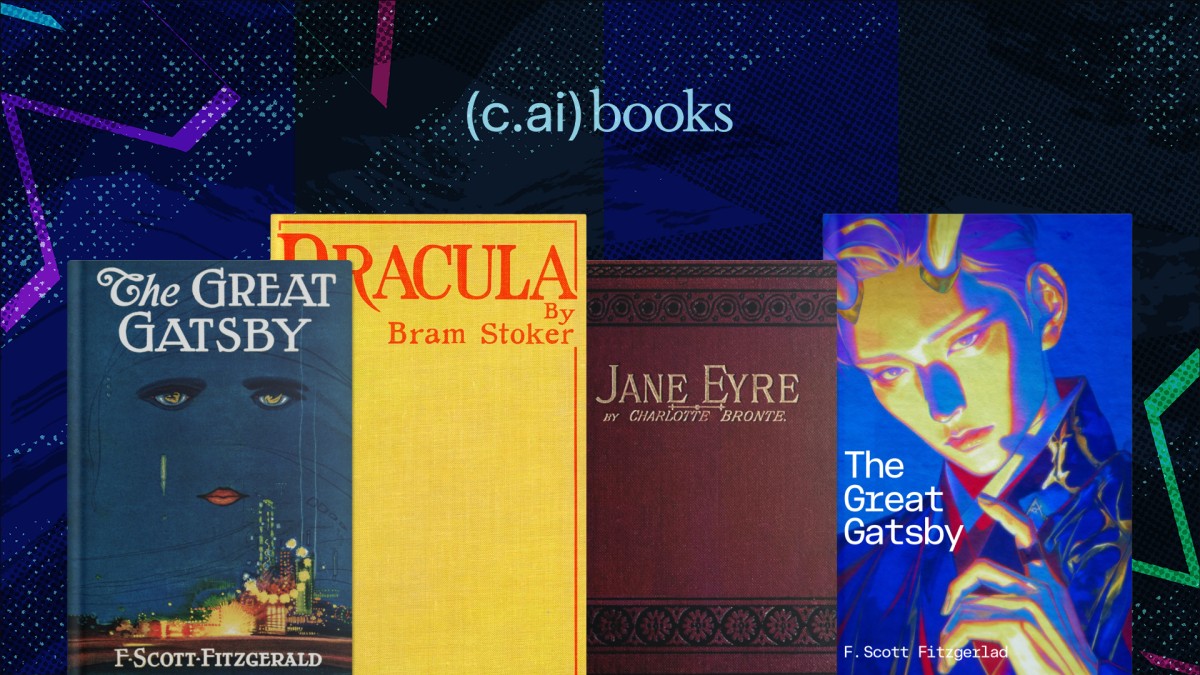
Character.AI has expanded its entertainment ecosystem with the launch of “Books,” a new feature that allows users to engage in interactive role-play within the worlds of classic literature. By leveraging large language models, the platform enables users to step directly into famous stories, turning passive reading into an active, conversational experience.
Interactive Storytelling and “Alternate Universes”
The feature draws from a library of more than 20 iconic titles currently in the public domain, including works such as Hamlet, Alice in Wonderland, Pride and Prejudice, and The Great Gatsby.
Users are granted significant creative freedom through several modes of interaction:
– Character Immersion: Users can inhabit the role of an existing character from the book or introduce their own custom-created personas into the narrative.
– Narrative Flexibility: Players can choose to follow the original plot closely or “go off script,” steering the story in entirely new directions through dialogue.
– Universe Remixes: The platform allows for “alternate universe” scenarios—such as placing Jay Gatsby in a space-faring setting. These custom remixes can be shared with the wider community, fostering a collaborative creative environment.
Bridging the Gap Between AI and Literature
The launch raises an interesting question regarding the future of literacy: will AI-driven role-play replace reading, or supplement it? Character.AI has positioned “Books” as a gateway rather than a replacement. The company suggests that interacting with these characters may actually spark a renewed interest in the source material, stating that the goal is to make classic literature “impossible to ignore.”
This approach reflects a broader trend in AI development where “gamified” content is used to make traditional or complex subjects more accessible and engaging to younger, digitally native audiences.
Safety, Moderation, and Age Restrictions
Given the platform’s history, Character.AI has implemented strict guardrails for this new feature:
Age Limits and Content Control
The “Books” feature is restricted to users aged 18 and older. This follows a period of significant regulatory scrutiny and legal settlements involving the platform’s impact on teenage users.
Moderation Policies
While the company acknowledges that users may prompt “romantic narratives,” it maintains rigorous moderation standards. The following content remains strictly prohibited under Character.AI’s terms of service:
– Graphic Violence: Excessive or graphic depictions of harm to humans or animals.
– Hate Speech: Content that promotes discrimination based on race, ethnicity, gender, or other protected characteristics.
– Explicit Content: Obscene, pornographic, or sexually exploitative material, including sexual harassment.
– Extremism: Content promoting terrorism or violent extremism.
To enforce these rules, Character.AI utilizes a combination of automated safety systems and human review to monitor interactions and respond to user reports.
Access and Availability
The feature follows a tiered access model:
– Subscribers: Have full access to the entire “Books” library.
– Free Users: Can experiment with the feature through a limited number of free interactions.
Character.AI’s “Books” feature represents a shift toward “active consumption,” where the boundary between the reader and the story becomes increasingly blurred through generative AI.
Conclusion
By turning public domain classics into interactive playgrounds, Character.AI is testing whether AI can act as a bridge to traditional culture. While the feature offers unprecedented creative freedom, its success will depend on how effectively the platform manages the delicate balance between user autonomy and strict safety moderation.