


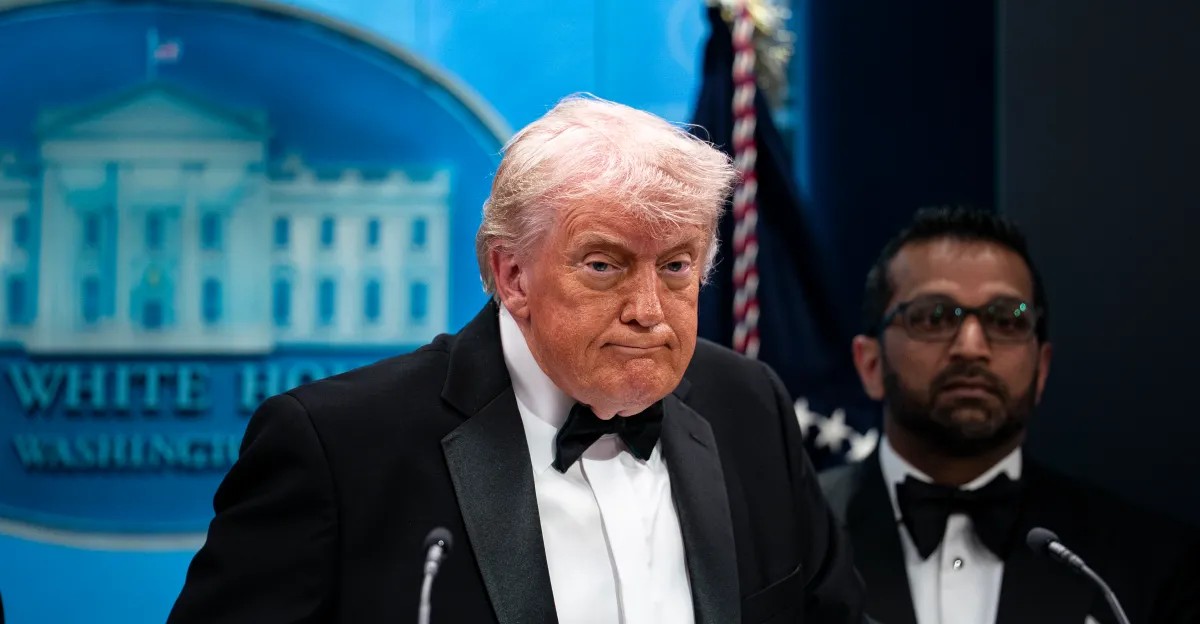
A high-profile assassination attempt at the annual White House Correspondents’ Dinner has left the administration navigating a complex landscape of security concerns and political retaliation. While President Donald Trump emerged unharmed from the incident, the aftermath is revealing a dual-track strategy from the White House: a push to punish media critics and a legal pivot to fast-track controversial construction projects.
The Shooting and its Immediate Aftermath
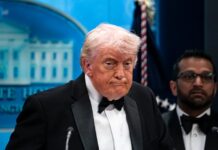
During the weekend event, a shooter opened fire, targeting the President. While the President and other attendees were not injured, one Secret Service agent sustained non-life-threatening wounds, thanks to the protection of a bulletproof vest. The suspect was arraigned in Washington, D.C., on Monday, with further details regarding motives and identity expected to emerge as the investigation continues.
Retaliation Against Media Personalities
In the wake of the attack, the administration has intensified its focus on late-night host Jimmy Kimmel. This follows a recent controversy in which Kimmel joked that First Lady Melania Trump possessed “a glow like an expectant widow.” The comments prompted both the President and the First Lady to demand Kimmel’s termination, with the First Lady labeling the remark “hateful and violent.”
This is not an isolated incident of administration pressure on media figures. Last year, the administration attempted a similar tactic when the FCC chair issued threats toward Kimmel’s employer, ABC. While Kimmel was briefly off the air, his eventual reinstatement was viewed as a setback for the administration’s efforts to influence broadcast content.
It is important to note that there is no direct link between Kimmel’s comedic remarks and the physical attack on Saturday night; however, the administration appears to be leveraging the heightened political tension to pursue its long-standing grievances with the media.
The Ballroom Controversy and National Security Claims
The second major development involves the administration’s push to complete a massive new ballroom in the White House. This project, which involves the space formerly occupied by the East Wing, has been stalled by legal injunctions preventing above-ground construction.
Following the shooting, the administration has reframed the construction project as a matter of national security. Acting Attorney General Todd Blanche argued on Sunday that the ongoing legal challenges are “delaying the construction of a secure facility for the President to do his job.”
This argument raises several questions regarding the necessity and timing of the project:
– The Security Argument: The administration is linking the completion of a luxury entertaining space to the President’s ability to function safely.
– The Event Context: Notably, the White House Correspondents’ Dinner is a private event, not a government-hosted function, meaning the ballroom would not have been required for the event where the shooting occurred.
Conclusion
The administration is utilizing the security crisis following the shooting to advance two distinct agendas: pressuring media critics and bypassing legal hurdles for White House renovations. By framing construction delays as a national security vulnerability, the White House is attempting to turn a moment of physical vulnerability into political leverage.