



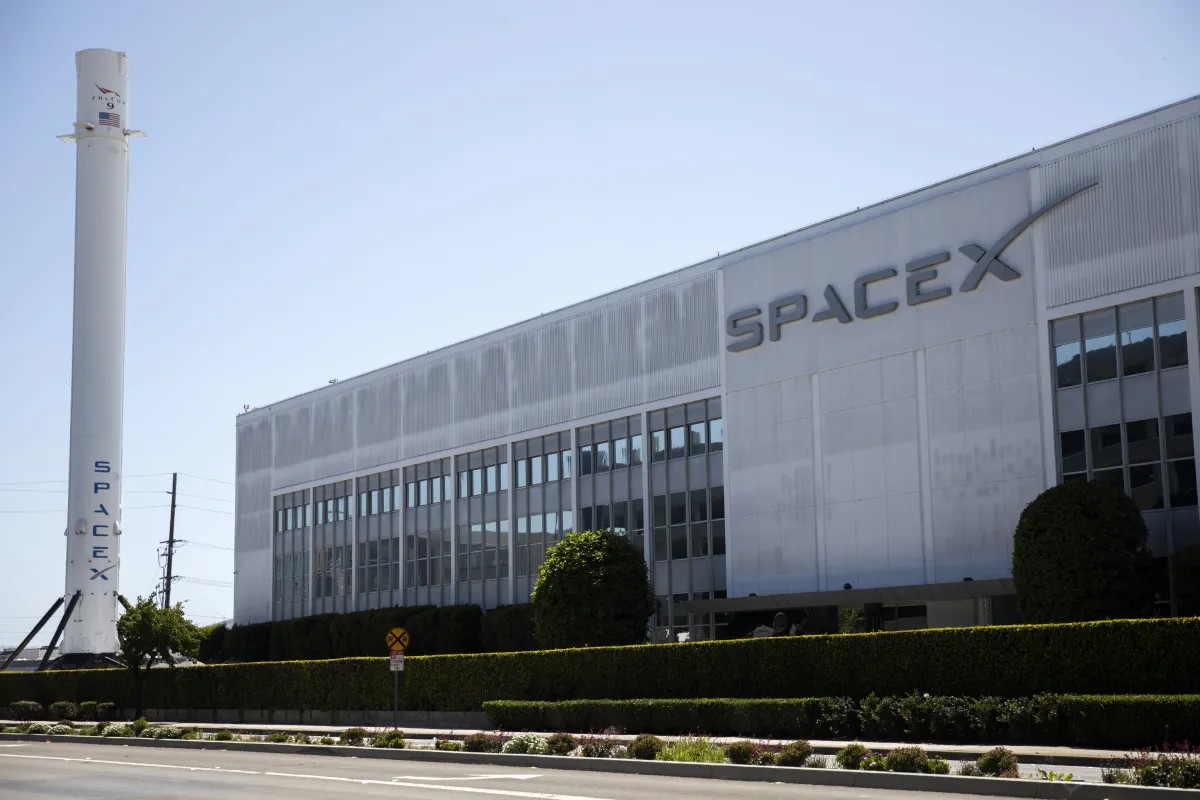
SpaceX is actively exploring a massive expansion into semiconductor manufacturing, with plans to build a state-of-the-art chip factory in Grimes County, Texas. According to a recent proposal filed with the county, the initial investment could reach $55 billion, with total project costs potentially climbing to $119 billion.
This ambitious undertaking, dubbed the “Terafab,” represents a significant pivot for Elon Musk’s companies. It marks a move beyond traditional aerospace and automotive manufacturing into the highly specialized realm of vertical integration—controlling the entire supply chain for the critical components driving artificial intelligence and robotics.
A Multi-Phase Manufacturing Powerhouse
The proposed facility is described in filings as a “multi-phase, next-generation, vertically integrated semiconductor manufacturing and advanced computing fabrication facility.” This terminology suggests that the plant would not only manufacture chips but also potentially design and assemble the advanced computing systems required for Musk’s broader technological ecosystem.
The scale of the project is unprecedented. Musk has stated that the Terafab aims to eventually produce enough chips to support 1 terawatt of computing power annually. This capacity is designed to address a critical bottleneck: the current global supply of semiconductors is insufficient to meet the explosive growth in demand for AI servers, autonomous vehicles, and space-based infrastructure.
“We either build the Terafab or we don’t have the chips, and we need the chips, so we build the Terafab,” Musk wrote, highlighting the existential necessity of the project for his companies’ future trajectory.
Strategic Collaboration and Diverse Applications
The Terafab is not an isolated SpaceX venture. It involves a strategic coalition that includes Tesla and semiconductor giant Intel. This collaboration aims to leverage Tesla’s robotics and automotive expertise alongside Intel’s manufacturing know-how to create chips tailored for specific high-performance applications.
The chips produced at this facility are intended to power a wide array of technologies:
– AI Servers : Supporting the computational needs of xAI, Musk’s artificial intelligence company.
– Satellites and Space Data Centers : Enabling complex processing capabilities for SpaceX’s proposed data centers in orbit.
– Autonomous Vehicles : Enhancing the self-driving capabilities of Tesla cars.
– Robots : Powering the next generation of humanoid and industrial robots.
Texas Is Not the Only Option
While Grimes County, Texas, is currently a primary candidate for the site, the final location has not been decided. Musk clarified on Tuesday that Texas is merely one of several locations under consideration. This openness suggests that SpaceX is evaluating various factors, including tax incentives, infrastructure readiness, and labor availability, before committing to a permanent site.
Why This Matters
The potential construction of the Terafab signals a major shift in the technology landscape. By attempting to vertically integrate chip manufacturing, Musk