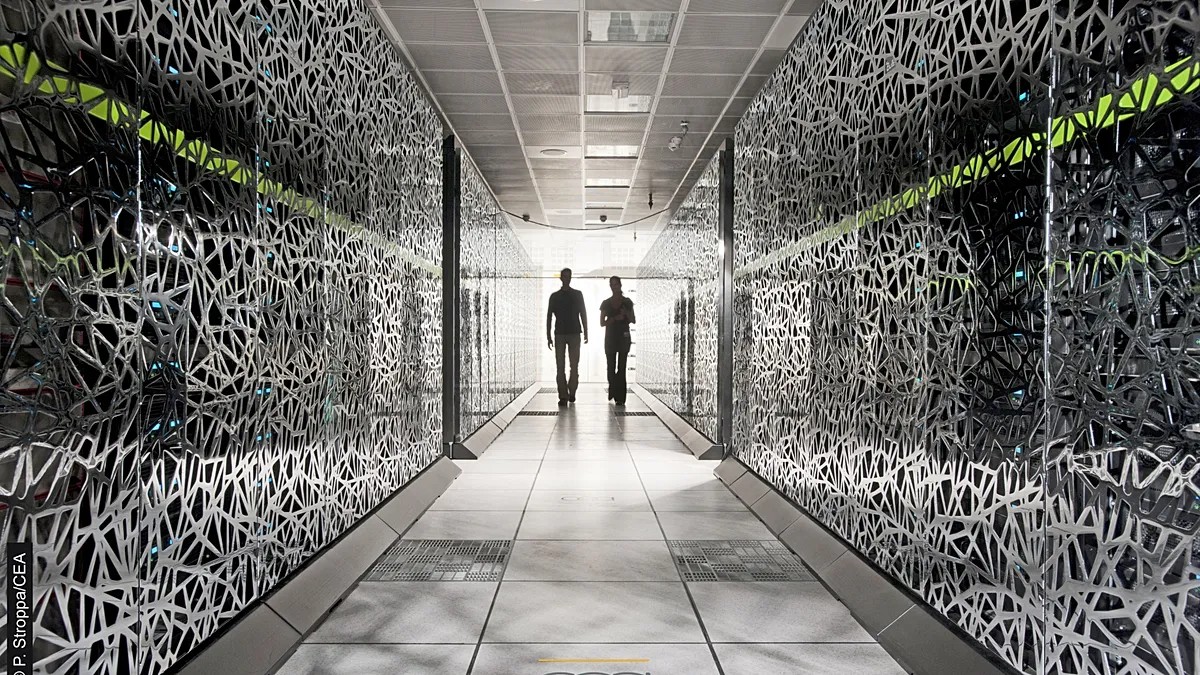
Spain just dropped €10 million into the deep end of quantum computing. It’s a big bet on artificial intelligence, faster research, and sovereignty. All in one room in Barcelona.
The Barcelona Supercomputing Center has added its third quantum machine. Not two. Three.
It’s joining the MareNostrum 5 cluster, a system that blends classical brute force, AI logic, and quantum weirdness. Built by local outfit Qilimanjaro QuantumTech, it’s funded by Brussels and Madrid. Specifically the Spanish Secretariat for Digitalisation.
There’s a twist, though. The previous two machines were digital quantum computers. This one is analogue. It works differently.
Think about bits for a second. Standard ones are picky. Zero or one. Always.
Qubits? They do both at once. It’s messy, probabilistic, and insanely powerful for certain types of problems. The kind regular processors choke on.
53 projects, one chapel
It’s housed in the Torre Girona. In the actual chapel.
Between 2005 and last year, that sacred space ran the first four generations of MareNostrum. Now it hums with quantum bits. The quantum section of MareNostrum 5 has a name. MareNostrum Ona.
The first two units have been running since February 2025. Already. They’ve racked up 4,200 compute hours. Split between 53 research projects vetted by the Spanish Supercomputing Network. That’s a lot of clock cycles in a few months.
Made in Europe, by Europe
This isn’t just a local toy. It’s plugged into the EuroHPC JU grid.
The European High Performance Computing Joint Undertaking is building a continent-wide network. They’ve bought six quantum systems total, spread across Poland, Czechia, and Germany too. Those three are live. Interconnected. Ready for science.
Núria Montserrat, Catalonia’s Research Minister, puts it bluntly. It’s about sovereignty.
“Reinforces the idea of European technological sovereignty… in the face of US ‘big tech” companies.”
She sees it as a shield against dependence on third countries. A way to keep strategic autonomy. Use public money, partner with Europe, build the stack locally.
It’s not perfect tech yet. Maybe not even reliable in the short term.
But they’re betting that owning the hardware matters more than buying it off a shelf. The chapel is noisy again. And it’s all homegrown.
Who else wants to own the future if not you?