




Broadcasting is the transmission of sound or images via radio or television. It started with Guglielmo Marconi’s discovery of wireless transmission in 1901. Amateurs took up radio broadcasting shortly after. The first U.S. commercial radio station, KDKA in Pittsburgh, began operations in 1920. Stations multiplied quickly. National networks formed as well.
Monopolies worried lawmakers. Congress passed the Radio Act of 1927. This law created the Federal Communications Commission. The FCC now oversees broadcast operations. The “golden age of radio” followed in the 1930s and 1940s. New techniques and programming made radio the top entertainment medium. Television broadcasting started in Germany and Britain in the 1930s. The U.S. took the lead after World War II. TV stations soon overshadowed radio.
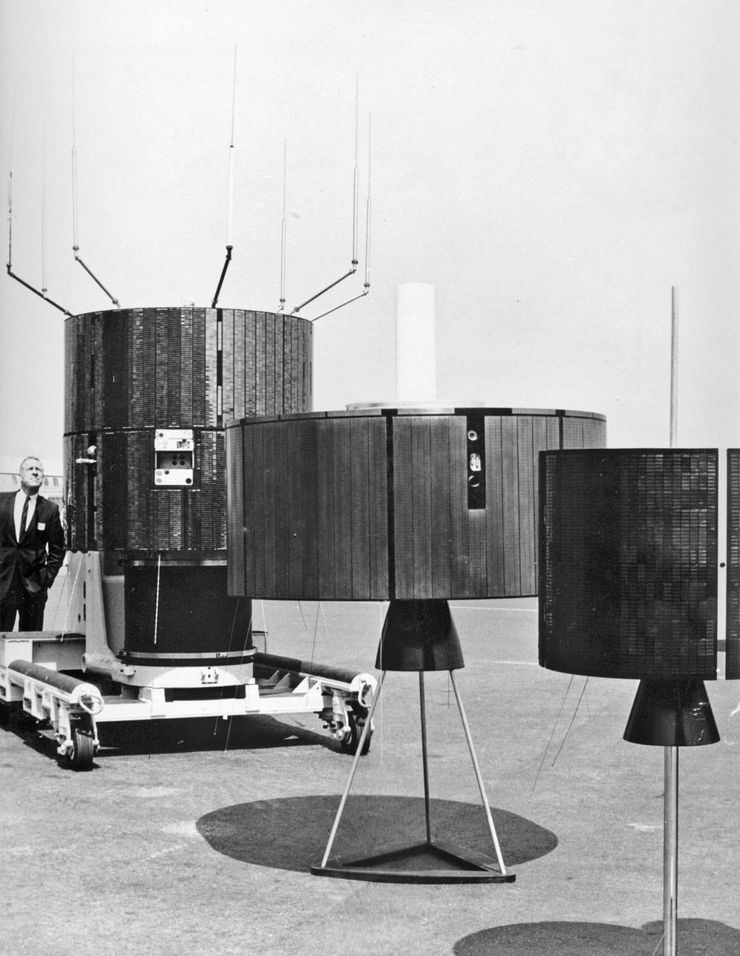
Color television broadcasts began in 1954. They became widespread in the 1960s. Satellite transmission of live TV expanded the field further by the 1980s. Major networks like ABC, BBC, CBS, CNN, NBC, and PBS continue to shape the landscape. How did we get from spark-gap transmitters to satellite feeds? The shift wasn’t just technical. It was about scale and reach.
Why does this matter today? We still consume content this way. Live sports. News. Events. The infrastructure built then underpins current streaming. But the old guard still holds weight. FCC rules still apply. Monopoly concerns remain. The golden age may be gone. The medium has changed. The method remains.