




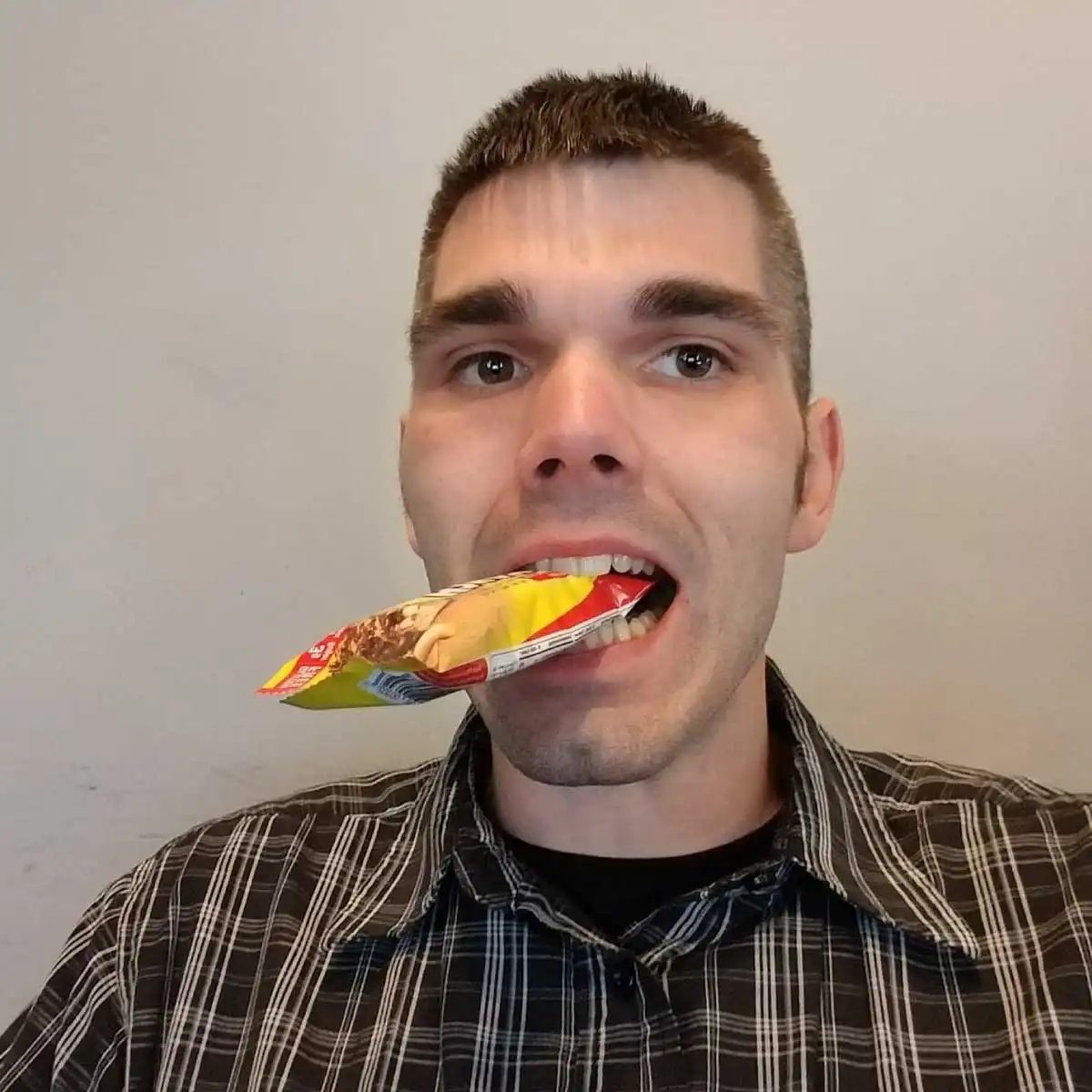
It’s quiet on the surface. Then comes the crunch. Or rather, the lack of it. The Shell On Challenge is the latest viral sensation to creep into your social media feed, but unlike the ice bucket challenge or the cinnamon challenge, this one doesn’t just leave you looking foolish. It leaves you with potential gastrointestinal trauma.
The premise is deceptively simple. You take a food item that normally has a removable outer layer—think shrimp with the shell intact, unpeeled fruits, or certain vegetables. You eat it. Whole. No peeling. No shelling. Just raw, unprocessed consumption captured on camera. Participants post the video to prove they did it. The goal? Virality. The reward? Likes, shares, and the hollow glow of internet fame.
But here is the reality check most creators ignore until it’s too late. This isn’t just quirky content. It’s a health hazard disguised as entertainment.
The Hidden Dangers of Unpeeled Edibles
When you strip away the viral hype, what’s actually happening to your body? The primary risk lies in the indigestibility of these outer layers. Most food shells, peels, and exoskeletons are not designed to be digested by human enzymes.
If swallowed, these tough structures can lead to serious complications:
- Intestinal blockages: Large, indigestible pieces can get stuck in the digestive tract. This isn’t a minor inconvenience. It can require surgical intervention.
- Physical injury: Sharp edges on shrimp shells or fibrous vegetable peels can scratch or tear the lining of the mouth, throat, and esophagus.
- Digestive distress: Even if the piece passes through, the bulk can cause severe discomfort, bloating, and pain.
Health authorities and medical experts are sounding the alarm. The trend ignores basic biological limitations. Your stomach acid isn’t a hydraulic press. It can’t break down chitin from shrimp shells or tough cellulose from certain peels.
Who Is Most at Risk?
Children and teenagers are the primary demographic for these trends. They are impressionable. They want to belong. They see their peers doing it and assume the risk is minimal because “everyone else is fine.”
Parents need to step in. This isn’t just about teaching table manners. It’s about preventing medical emergencies. If you have kids watching TikTok or Instagram Reels, talk to them. Explain that the internet edits out the hospital trips. The video shows the pose, not the pain that follows.
How to Spot the Fake Safety
Some creators might claim they are chewing thoroughly or only eating specific safe parts. Don’t be fooled. The Shell On Challenge relies on the visual of consumption, not the mechanics of digestion. Even small amounts of indigestible material can accumulate.
Why would anyone risk their health for a few seconds of attention? Because the algorithm rewards novelty. But biology doesn’t care about your follower count. The body has limits. Cross them, and you’re not a trendsetter. You’re a patient.
The line between fun and harmful is thin here. And once you swallow that shell, you can’t unsnap it.

Sosyal medya akışınızda bu meydan okumayı görmüşsünüzdür. Katılımcılar, kabuğu soyulmamış gıdaları olduğu gibi yiyorlar. Amacı sadece tuhaf bir görüntü yaratmak değil. Etkileşimi tetikleyen basit ama riskli bir formül. Peki, Shell On Challenge nasıl yapılır? Cevabı adım adım incelediğimizde, sadece yemek yemenin ötesinde bir süreçle karşılaşıyoruz.
Uygun Yiyeceği Belirleyin
Her şey doğru ürün seçimiyle başlar. Denizde elde edilenler veya meyveler genellikle güvenli limanlardır. Karides, istiridye, midye gibi deniz ürünleri yaygın tercihler arasında. Muz, portakal veya kivi gibi meyveler de popüler seçeneklerdir.
Araç gerektirmeden yenebilen bir yapı şart. Kabuğu soyulmamış olmalı. Yanlış seçim yaparsanız, sonu ağrı içinde biter.
Hazırlık Süreci
Seçtiğiniz ürünü temizleyin. Gerekiyorsa yıkayın. Kabuğu açmak için bıçak kullanmanız gerekebilir. Hafif çizikler atmak işi kolaylaştırır. Ancak bir kural var: Kabuğu çıkarmayın. Soyarsanız kuralları ihlal etmiş olursunuz. Amacınız kabukla birlikte tüketmek.
Kayıt Alın
Deneyiminizi kanıtlamanız gerekiyor. Video çekmek en yaygın yöntem. Fotoğraf da işe yarar ama dinamizm eksiktir. Kabuğu gösterin. Ardından yemeğe başlayın. Bu görsel kanıt, paylaşımın çekirdeğini oluşturur.
“Deneyimi sosyal medya hesaplarınızda yayınlamak, trendin bir parçası olmanın anahtarıdır.”
Etiketleme Stratejisi
Görünürlük için doğru kelimeler şart. #ShellOnChallenge veya #ShellOn gibi etiketler kullanın. #EatingTheShell de sıkça karşınıza çıkabilir. Bu etiketler, içeriğinizi geniş kitlelere ulaştırır. Trendlere katılmak için bu basit adımlar yeterlidir.
Sağlık Uyarısı: Neden Dikkatli Olmalısınız?
Meydan okuma popüler olsa da, riskler göz ardı edilmemeli. Kabuğu yenebilen gıdalar seçmek zorundasınız. Sağlığınızı tehlikeye atacak ürünlerden kaçının. Kabuk tüketiminin sindirim sistemi üzerindeki etkileri olabilir. Potansiyel zararlar, sosyal beğeniden daha önemlidir.
Neden Bu Kadar Popüler Oldu?
Merak edilen soru bu. İnsanlar tuhaflığa ilgi duyar. Sosyal medya algoritmaları da çarpıcı görselleri öne çıkarır. Zorlu ve garip içerikler, izleyicide merak uyandırır. Bu meydan okuma, tam da bu psikolojiye oynuyor. Ancak popülerlik, güvenli anlam
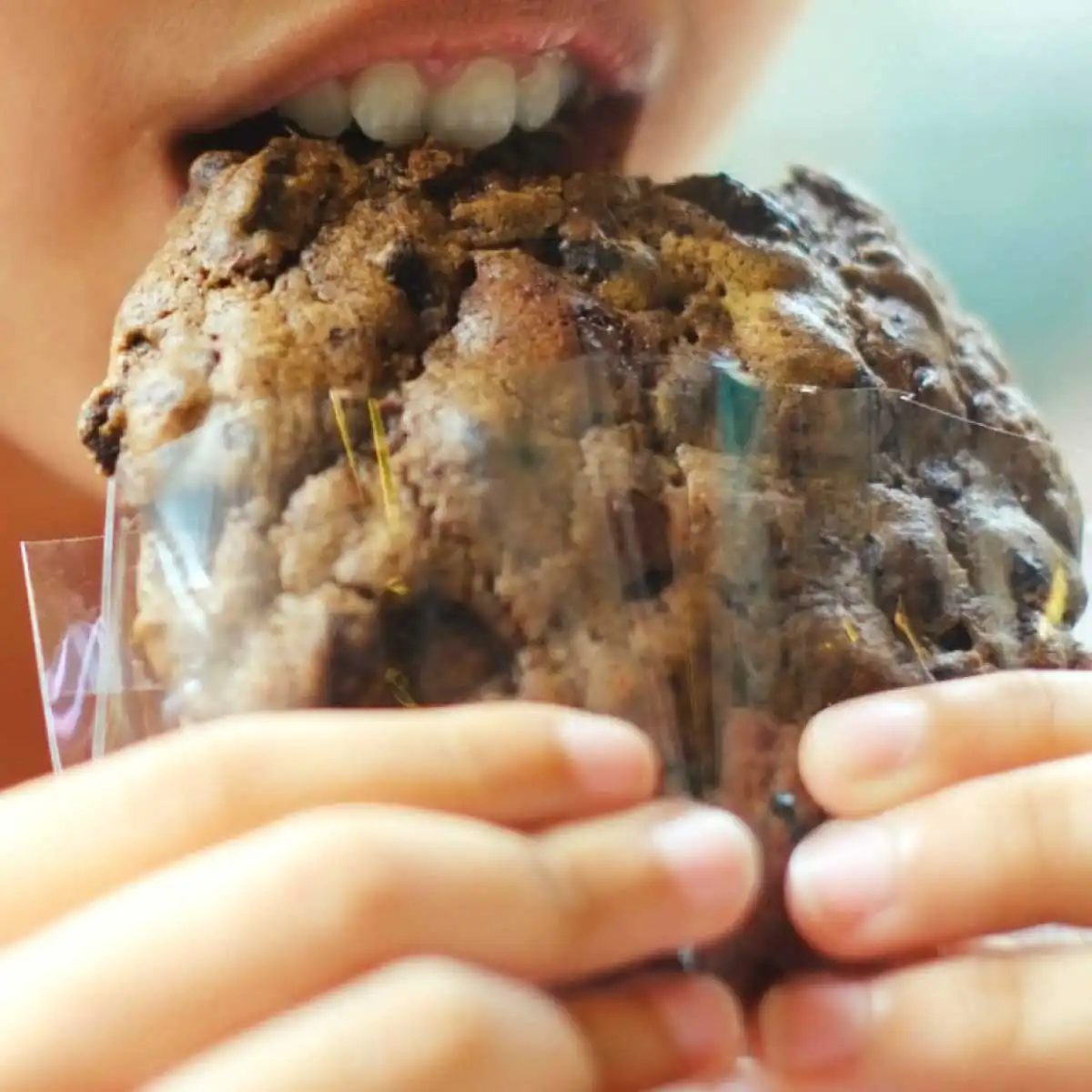
The Shell On Challenge didn’t just appear out of nowhere. It exploded onto feeds with a speed that mirrors how quickly ideas travel in the digital age. But why did this specific trend stick? It wasn’t just about eating raw food. It was about visibility.
The Psychology of Viral Participation
At its core, the trend works because it triggers a primal curiosity. You see someone eating something unpeeled, uncooked, or otherwise “wrong,” and your brain stops scrolling. This is the hook.
“People participate in viral trends to feel like part of the broader cultural conversation.”
It’s not just entertainment. It’s social signaling. By joining the Shell On Challenge, users are signaling that they are “in the know.” They are participating in a shared moment. The barrier to entry is low. You don’t need special equipment. You just need a food item and a camera.
Creativity as Currency
In a feed saturated with polished influencer content, raw and bizarre content cuts through. The Shell On Challenge offered a blank canvas for creativity. Did you peel a fruit? That’s boring. Did you eat it with the skin on? Now it’s content.
This simplicity drives engagement.
– Low effort, high novelty : Users didn’t have to craft complex narratives.
– Visual shock value : The texture and appearance of unpeeled foods are inherently striking.
– Shareability : It’s easy to tag friends and ask, “Could you do this?”
The Feedback Loop of Attention
Social media algorithms reward interaction. When one person posts a video of themselves tackling the challenge, and it garners likes and comments, the algorithm pushes it to more people. This creates a feedback loop.
Creators saw the metrics. They saw the reach. They decided to double down. The Shell On Challenge became a tool for growth. For smaller accounts, it was a way to ride a wave of existing popularity without needing a massive follower base to start from zero.
Pressure to Participate
There is also a subtle pressure at play. When a trend dominates the “For You” page or “Explore” tab, not participating can feel like being left out. Some users resist. They opt out. But others feel the need to adapt.
This isn’t necessarily malicious. It’s just how platform dynamics work. If you want to stay relevant in the algorithmic race, you play the game. The Shell On Challenge was the current game. Winning it meant visibility. Visibility meant followers. Followers meant influence.
Curiosity Drives the Scroll
Why did people watch? Not just to judge. But to see if they could do it. To see the reaction. The trend tapped into a universal human trait: the desire to see boundaries tested. Eating something with its shell intact challenges the norm of preparation. It’s messy. It’s difficult. It’s real.
And in a world of curated perfection, “real” is a powerful commodity.

The Hidden Dangers Behind the Shell On Challenge
It started on social media. Just one user, maybe a group, decided to peel back the rules of eating. They took food with the shell on—unpeeled, unprocessed—and dared others to follow. Viral? Absolutely. But the trend hides a sharp edge.
The mechanics are simple: see food with shell. Eat it. Post it. The network effect does the rest. One video hits, then ten, then thousands. But behind the laughter and likes, there are real physical consequences.
Digestive Systems Under Attack
Your body isn’t built to digest shells. Think about it. We peel oranges. We shell peanuts. We remove the hard exterior of almost everything we eat for a reason.
When you force that barrier down, you invite trouble. The digestive system struggles. Nausea hits first. Then cramps. Vomiting. Diarrhea. It’s not just discomfort. It’s potential blockage.
Intestinal obstruction isn’t a theory here. It’s a documented risk. Undigested matter piles up. Pressure builds. The result? Pain. Significant, medical-grade pain.
The Choking Hazard
This is the most immediate threat. A shell doesn’t just sit in your stomach. It moves. It slides.
If it catches in the throat, you’re in danger. The airway closes. Breathing stops. Emergency response is required immediately. Delay means disaster.
The anatomy of the esophagus and trachea is narrow. A hard fragment doesn’t just pass through. It lodges. It obstructs. It kills.
Cuts and Abrasions
Preparation involves knives. Or nails. Or teeth. Whatever you use to break the shell introduces laceration risk.
Slip. Miss. Cut. It happens fast. Hands bleed. Lips split. The mouth is full of bacteria and sharp edges. Infection risk rises. Injury severity escalates.
Allergic Triggers
Seafood is the usual suspect. Shellfish allergies are common. They are severe.
Anaphylaxis doesn’t wait for you to finish the video. It hits hard. Fast. Airway swelling. Blood pressure drop. Shock.
Even if you’ve eaten shellfish before, the challenge format changes the volume and speed of ingestion. Your immune system reacts violently. It doesn’t care if it’s a trend. It cares about survival.
Food Safety and Hygiene
Not all shells are clean. Dirt. Bacteria. Parasites.
If the food isn’t fresh, if the handling was unsanitary, you’re ingesting pathogens. Food poisoning isn’t a joke. It’s dehydration. Electrolyte imbalance. Hospital visits.
The quality of the ingredient matters. The hygiene of the preparation matters. The speed of the trend doesn’t.
Why This Matters
You might think you’re safe. You might think you’re clever. But trends move faster than biology.
The viral nature of the Shell On Challenge masks the physiological reality. Your body has limits. Your airway has constraints. Your digestive tract has boundaries.
Ignore them, and you pay the price. The price isn’t just embarrassment. It’s emergency room visits. It’s lasting damage. It’s risk.
The next time you see someone tackle an unpeeled challenge, remember the mechanics. Remember the anatomy. Remember the consequences.
Laughter fades. Injuries don’t.