


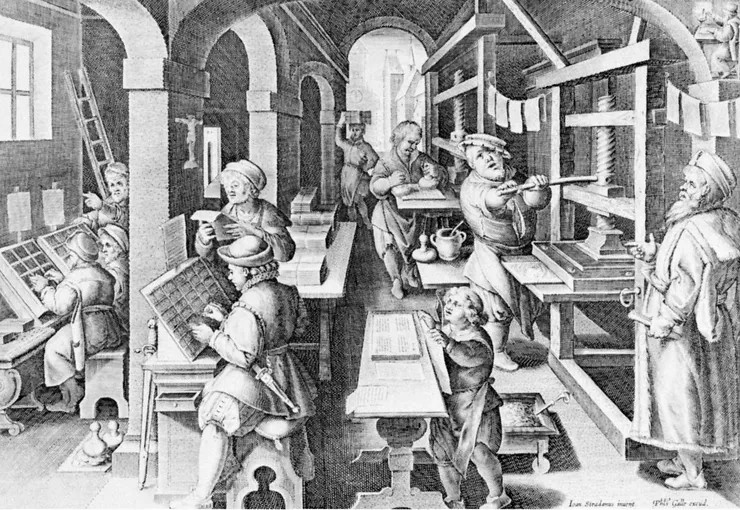
Printing has always been about making copies, but the mechanics changed drastically as technology evolved. Today, commercial shops rely on three distinct methods to get ink onto paper. Each one uses a completely different physical logic to transfer the image.
The three main techniques in modern print
Letterpress printing is the old-school approach. It works by forcing a raised, inked surface directly onto the paper. You are essentially stamping the image. Mechanical pressure does the heavy lifting here.
Gravure printing takes the opposite physical route. Instead of raising the image, it cuts it down. The plate has recessed cells of varying depths. Ink sits in these little pits. The pressure forces the ink from these deep or shallow cells onto the paper surface.
Offset printing is the one you will see in almost every modern magazine or newspaper. It does not depend on height or depth. The plate has flat areas. The printing and nonprinting sections differ only in wettability.
Offset plates use chemistry, not geometry, to separate ink from water.
Why offset printing dominates
So which method is actually used? Offset printing won. Why? Because it is efficient. Since the image is flat, you can use flexible plates that wrap around a cylinder. This allows for high-speed, continuous production.
Letterpress requires heavy plates and intense pressure. It wears out paper quickly. Gravure is great for high-volume packaging but expensive to set up. Offset hits the sweet spot for general commercial work. It transfers ink from the plate to a rubber blanket first, then to the paper. This “offset” step protects the paper from damage.
What this means for everyday users
If you order business cards or brochures, you are likely using offset. The quality is sharp, and the cost per unit drops significantly as print runs increase. Digital printing has entered the game for small runs, but offset remains the workhorse for large batches.
The distinction matters less to the average reader than to the printer. But if you ever wonder why some ink looks so clean on glossy stock, it is probably because wettability, not pressure, did the job. The technology is invisible until it fails.


