




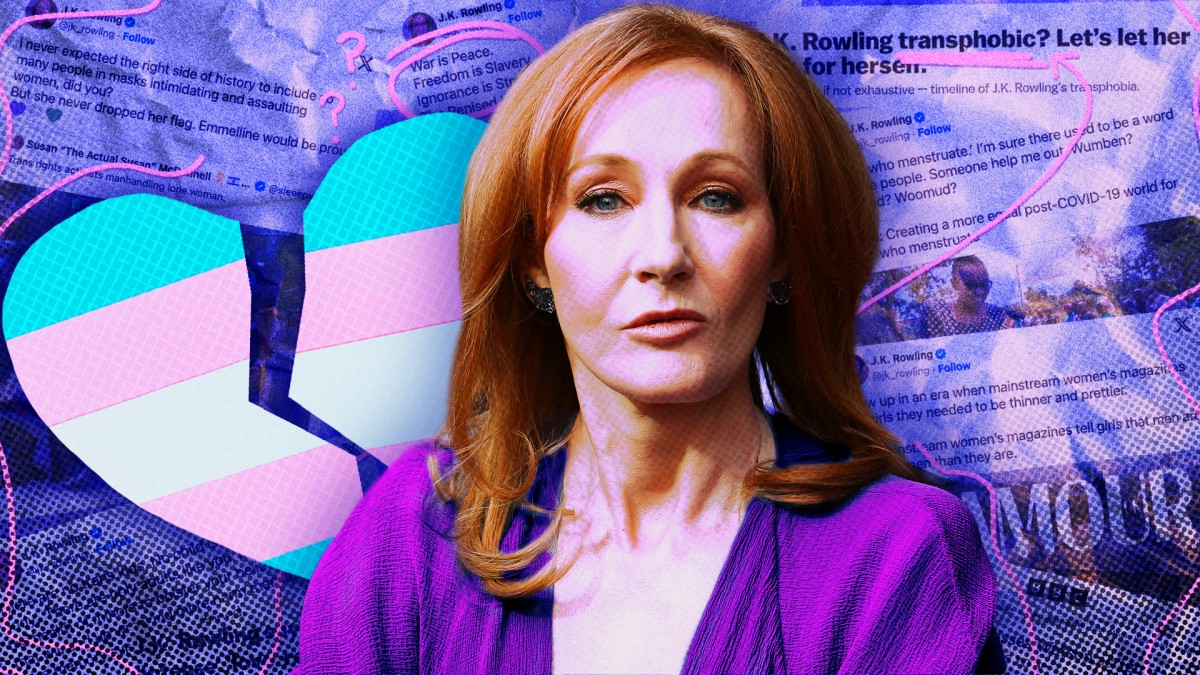
Thirty-five years ago, while commuting between Manchester and London, J.K. Rowling conceived the idea for Harry Potter, a story that would become a global phenomenon. The series, spanning seven books, eight films, a Broadway show, and amusement park franchises, has grown into a multi-billion dollar media empire. A major HBO television adaptation is slated for release in 2026, ensuring the franchise’s continued dominance.
Rowling transformed children’s publishing, entertainment, and fandom, creating generations of avid readers and establishing a new benchmark for mega-franchises. However, over the past two decades, the author has become increasingly controversial as a vocal opponent of transgender rights.
Early Success and Franchise Growth
The first Harry Potter book was initially published in 1997 with a limited run of 500 copies in the UK. To appeal to young male audiences, Rowling’s publisher suggested she use the gender-neutral initial “J.K.” instead of her full name, Joanne. The book quickly gained critical acclaim and commercial success, topping the New York Times bestseller list for two years straight and selling over 11 million copies worldwide by 2001. The series remains the best-selling fantasy series of all time, with the fourth book’s audiobook even winning a Grammy. First editions of the original UK printing now fetch tens of thousands, even millions, of dollars at auction.
The Harry Potter saga birthed a massive fan-powered media conglomerate that continues to thrive today. Fans pioneered digital spaces during the early 2000s, creating a vibrant online community known as the “Potterverse.” The final book, Harry Potter and the Deathly Hallows, broke sales records upon release, with fans lining up for midnight release parties worldwide.
Rowling capitalized on the franchise’s success by selling film rights to Warner Bros. Entertainment, which produced eight blockbuster movies that grossed over $7 billion. She also licensed theme park rights to Universal Studios, which operates multiple Wizarding Worlds. The franchise expanded further with the stage play Harry Potter and the Cursed Child, the Fantastic Beasts film series, and a range of video games. Rowling has also published books under the pseudonym Robert Galbraith, which have consistently ranked among the UK’s bestsellers since her true identity was revealed.
The Shift Towards Political Commentary
In the 2010s, Rowling began to share political commentary on her social media accounts, criticizing Brexit campaigns and comparing leaders like Donald Trump to Harry Potter villain Voldemort. Her stances became more complex when she publicly supported the Better Together campaign against Scottish independence and refused to endorse the Boycott, Divestment, and Sanctions (BDS) movement against Israel.
The controversy escalated in 2018 when critics accused Rowling of failing to depict a romantic relationship between two male characters in the Fantastic Beasts films despite confirming their canonical love. The series faced further scrutiny over the casting of Johnny Depp, who was later replaced by Mads Mikkelsen.
Rowling’s Anti-Transgender Campaign
In 2019, Rowling publicly supported Maya Forstater, a UK activist fired for her transphobic views, tweeting “#IStandWithMaya.” This sparked backlash as fans recalled Rowling’s past reposts of transphobic language and her following of anti-trans figures. Daniel Radcliffe, the actor who played Harry Potter, issued a statement in support of transgender communities.
Rowling doubled down in 2020, criticizing articles using inclusive language like “people who menstruate” and reiterating her belief in biological sex. She published a lengthy blog post defending her views, rejecting the term “TERF” (trans-exclusionary radical feminist) and arguing that supporting trans women risked endangering cisgender women.
The backlash intensified as celebrities like Emma Watson, Bonnie Wright, and Eddie Redmayne publicly opposed Rowling’s views. Meanwhile, other franchise stars like Ralph Fiennes and Helena Bonham Carter defended her. Employees at Rowling’s publisher refused to work on her new children’s book, and authors left the literary agency representing her in protest.
Rowling continued to share misinformation about hormone therapy and gender dysphoria on social media. In 2021, she mocked gender-inclusive language, further solidifying her position as a prominent voice against transgender rights.
Despite the controversy, Rowling maintains a large online following with nearly 14 million followers on X. The Harry Potter franchise continues to thrive, though fans grapple with the ethical implications of supporting a series created by an increasingly divisive figure.
Conclusion
J.K. Rowling’s transformation from beloved author to controversial figure highlights the complex intersection of art, politics, and social activism. Her stance on transgender rights has divided fans and forced Hollywood to reckon with her legacy. While the Harry Potter franchise remains dominant, its future is inextricably linked to the ongoing debate surrounding its creator’s views.