


For individuals with vision loss, distinguishing between everyday items – especially critical ones like medication – can be a significant safety challenge. A new device unveiled at CES 2026, the Nemonic Dot by Mangoslab, offers a potentially life-saving solution by simplifying the creation of tactile Braille labels. This printer distinguishes itself from existing options by using voice input, making it more accessible for sighted helpers to assist their blind or visually impaired loved ones.
Bridging the Gap in Braille Labeling
Traditional electronic Braille label makers often come with a steep price tag – exceeding $1,250 – and require direct text input via Braille keyboards or QWERTY interfaces. The Nemonic Dot, priced at $995, represents a more affordable alternative, though still a premium product. The core innovation lies in its voice-activated system, which allows users to simply speak the label content, converting speech to text and then to raised Braille characters.
How It Works: Voice-to-Braille in Seconds
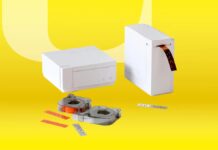
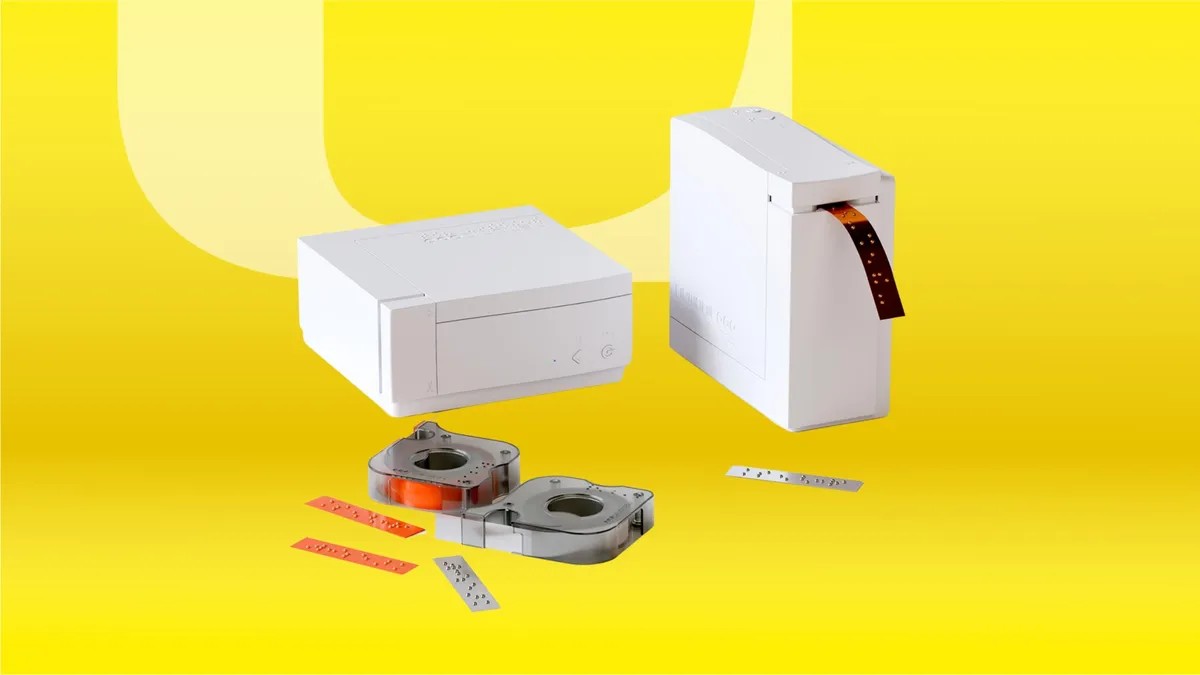
The Nemonic Dot is a compact, wireless device roughly the size of a coaster stack. It connects to a smartphone app where the voice-to-text translation occurs. The app then sends the Braille data to the printer, which embosses the label onto adhesive strips. This eliminates the need for complex typing and makes it easier for sighted family members or caregivers to create labels for common items like pill bottles, food containers, or household products.
Real-World Application: Preventing Critical Mistakes
The potential impact is significant. Misidentifying medications is a dangerous reality for blind people, as even slight differences in bottle shape or size are impossible to discern without tactile markings. Mangoslab demonstrated the device at CES Unveiled, labeling identically shaped bottles containing salt, pepper, painkillers, and probiotics. The simple addition of a Braille strip made the difference between safe consumption and potentially fatal errors.
Current Limitations and Future Potential
While promising, the Nemonic Dot isn’t without its drawbacks. Early demonstrations showed the voice recognition struggling with long or complex medical terms (like acetaminophen), though this may be due to noise interference. Furthermore, the current design appears geared toward sighted assistance, rather than independent use by blind individuals. However, Mangoslab has indicated that further app updates may introduce more blind-friendly features to broaden the device’s usability.
The Nemonic Dot is expected to launch in the second quarter of 2026, with sticky tape refills priced at $5 and copper tape options coming later. This device represents a step toward greater accessibility and safety for the visually impaired, and its success hinges on continued refinement of its voice recognition and expanded features for independent use.