
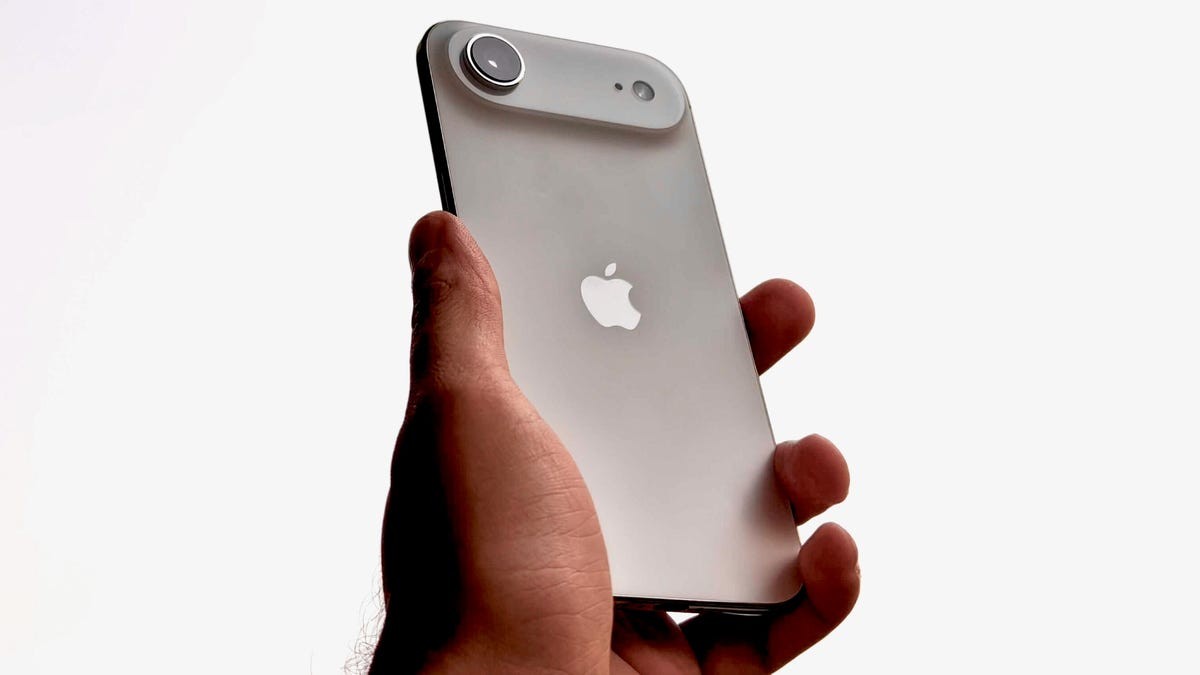
Apple’s iPhone Air strikes a unique balance: it delivers a large-screen experience without the bulk of flagship models. Despite compromises like its single rear camera and average battery life, many users find it surprisingly capable. But one crucial drawback overshadows even the missing telephoto lens — the phone’s poor audio quality.
The Appeal of a Lightweight Design
The iPhone Air’s appeal lies in its lightweight design. Weighing just 165 grams, it offers a 6.5-inch display in a package that feels noticeably lighter than both the standard iPhone 17 (177g) and the hefty iPhone 17 Pro Max (233g). This makes it a refreshing alternative for those prioritizing comfort and usability over top-tier specs. Many consumers don’t need the full camera suite of a pro model, but still want a large, capable screen. The Air fills this gap.
The Unexpected Audio Compromise
While the single speaker doubles as an earpiece, it falls short as a primary audio source. Users report a tinny, muffled sound whether listening to music, podcasts, or participating in video calls. This is particularly frustrating given how frequently people use their phones for audio: casual listening, speakerphone calls, and even streaming services like Apple Music and Apple TV Plus.
“The problem arises when I am on video calls…everything sounds muffled. From the excitement of my niece telling us about her day to the guilty laugh from my sister after I make a dad joke. I don’t like that moments like these are being restrained by a less-than-average phone speaker.”
Why Audio Quality Matters
For many, audio is more important than an extra camera. Video calls with family, spontaneous music sessions, and everyday conversations rely on clear, immersive sound. The iPhone Air’s poor audio compromises these experiences. It’s a missed opportunity given Apple’s emphasis on its ecosystem of audio-focused services like FaceTime and Apple Music.
The Future of Lightweight Phones
The iPhone Air demonstrates a growing demand for lightweight, large-screen phones. If Apple wants to solidify this niche, improving audio quality should be a top priority. Prioritizing speaker quality would address a significant pain point and make the Air a truly competitive choice for consumers who value usability and comfort over raw specs.
Ultimately, the iPhone Air proves that a phone doesn’t need another camera; it needs to sound better.