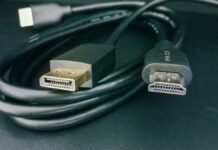

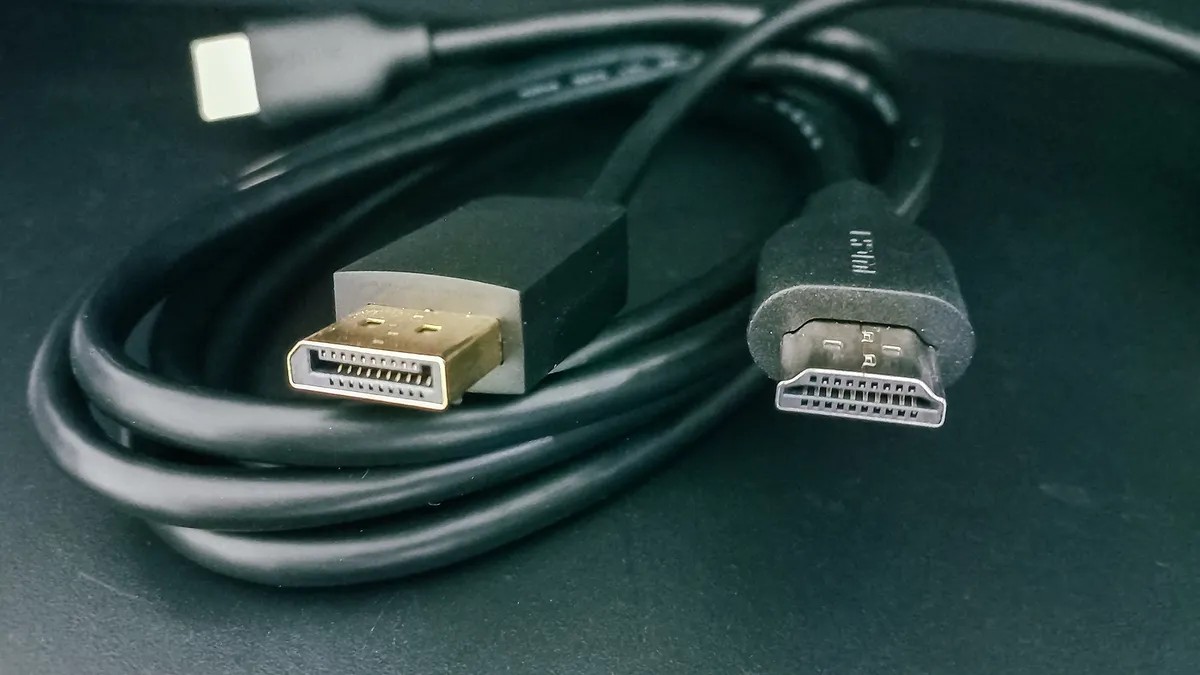
Most people overthink HDMI cables. The reality is, for the vast majority of setups, any recent “high-speed” cable will work just fine. Whether you’re connecting a TV, game console, or Blu-ray player, the cable itself rarely limits picture quality.
Why the Confusion?
The HDMI world has specs (like 2.1 and 2.2) that refer to the ports on your devices, not the cables. These specs define bandwidth – how much data can flow through the connection. Newer standards like HDMI 2.2 offer significantly more bandwidth (up to 96 Gbps), but current TVs and content don’t even need that much.
The truth is, if you’re using a standard 4K setup, an older, cheaper cable from Amazon or Monoprice will perform identically to an expensive “Ultra High Speed” cable.
When Do Cables Matter?
There are two scenarios where cable quality becomes important:
- Long Distances: For runs longer than 15 feet, cheaper cables are more likely to fail. Active HDMI cables (with a built-in signal booster) or optical cables are better choices for these situations. Optical cables can easily handle lengths over 300 feet.
- Signal Issues: If you see a blank screen, flickering, or “sparkles” (snow-like distortions), that means your cable is failing and needs replacement.
The Future of HDMI
HDMI 2.2 cables exist, but they’re overkill for now. They offer bandwidth far beyond what current devices can use. The same was true for HDMI 2.1 a few years ago. By the time you actually need that extra bandwidth, prices will have dropped, and there will likely be an even newer standard.
Don’t Overspend
The best advice? Buy a reliable brand like Amazon Basics or Monoprice, and don’t worry about the version number. If it works, it works. If you need a long cable, consider an active or optical model. Otherwise, save your money.
Bottom line: Focus on ensuring your devices support 4K and HDR first. The cable is the least of your worries.