


The race for the next major computing platform is heating up, and Apple is preparing its move. According to recent reports from Bloomberg’s Mark Gurman, the tech giant is currently testing four distinct designs for smart glasses, a strategic effort to compete directly with Meta’s successful Ray-Ban smart glasses.
Design and Hardware Specifications
Apple appears to be exploring various aesthetics to ensure the device feels like a fashion accessory rather than just a piece of hardware. The testing phase includes:
- Diverse Frame Styles: Variations in shape, including rectangular, oval, and circular frames.
- Customizable Aesthetics: Multiple color options to appeal to different consumer tastes.
- Unique Optics: The glasses are expected to feature vertically oriented, oval camera lenses accompanied by integrated indicator lights.
- Audio Integration: Onboard speakers will likely support phone calls and music playback, mirroring the functionality found in devices from competitors like Xreal and TCL.
The Role of AI and Timing
The success of smart glasses depends heavily on how much utility they provide in daily life. For Apple, this utility will likely be driven by Artificial Intelligence.
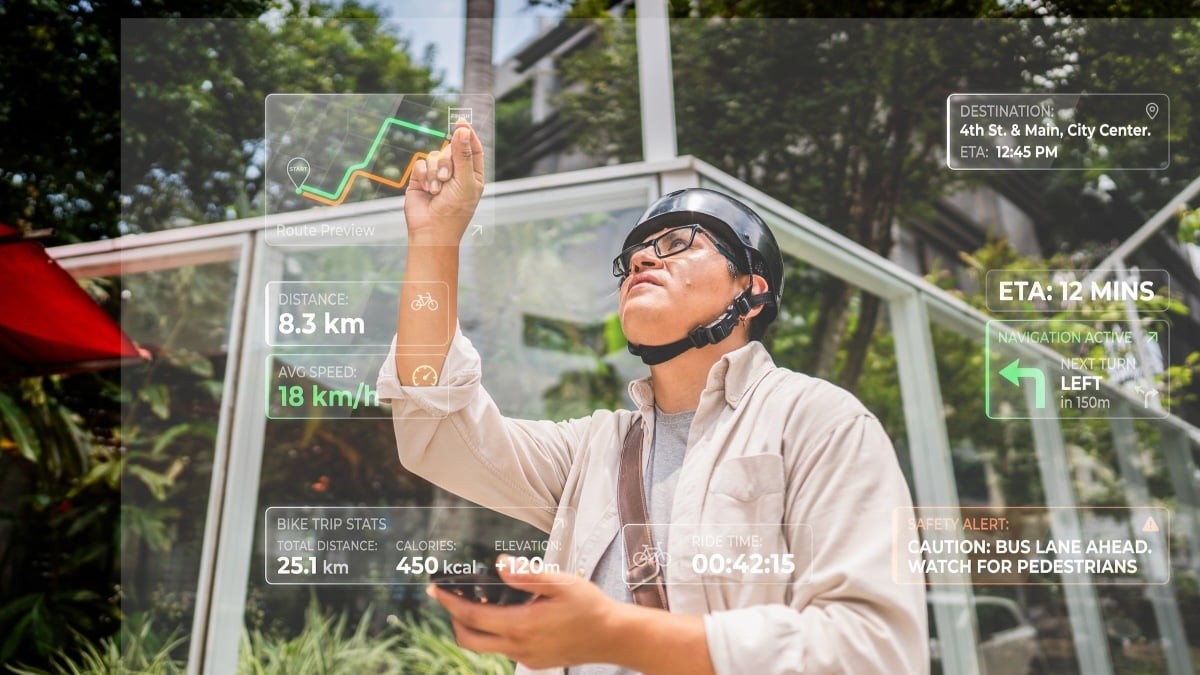
It is anticipated that these glasses will launch alongside an upgraded, more capable version of Siri. This AI integration would allow for seamless voice control, hands-free navigation, and real-time augmented reality (AR) assistance, turning the glasses from a passive viewing device into an active digital assistant.
While the product could be unveiled as early as late 2026 with a full market launch in 2027, the timeline remains subject to change as Apple refines the technology.
The Market Challenge: Fashion vs. Function
The smart glasses market is currently in a state of rapid growth but remains unproven as a mainstream category. While Meta’s Ray-Ban smart glasses saw sales triple in 2025, the industry is still searching for a “killer app” that makes wearing glasses essential for the average consumer.
Apple faces a unique set of hurdles in this pursuit:
1. The Form Factor Gap: Unlike the smartphone, which is a central hub, smart glasses must be lightweight and stylish enough to be worn all day.
2. The Vision Pro Lesson: While Apple has a history of defining new categories (like the iPod and iPhone), its recent foray into high-end AR with the Apple Vision Pro has seen underwhelming sales, suggesting that the transition from heavy headsets to lightweight glasses is a difficult leap to make.
The shift from handheld screens to wearable displays represents one of the most significant transitions in consumer electronics, but success depends on whether Apple can make the technology feel invisible and essential.
Conclusion
Apple is positioning itself to challenge Meta’s dominance in the wearable market by testing diverse, AI-driven smart glasses designs. If Apple can successfully marry sophisticated AI with a lightweight, fashionable design, it may finally bridge the gap between niche gadgets and mainstream computing.