



Diplomats from the United States and Iran are scheduled to meet in Pakistan this weekend, marking a critical attempt to broker an end to the ongoing conflict. While the talks represent a potential path toward peace, several unanswered questions regarding the participants and the current geopolitical standoff suggest that a breakthrough remains uncertain.
The Fragile Ceasefire
The current ceasefire is currently in a state of limbo. Originally set to expire earlier this week, President Donald Trump announced an extension that will remain in effect “until such time” as Iran submits a “unified proposal” to end the war.
This phrasing creates a significant amount of leverage for the U.S. administration, as the duration of the ceasefire is effectively indefinite and contingent upon the terms of a deal that has yet to be finalized.
Key Players and Shifting Dynamics
One of the most notable aspects of this round of negotiations is the composition of the delegations. The absence of certain high-level officials has raised questions among analysts regarding the diplomatic weight of these talks.
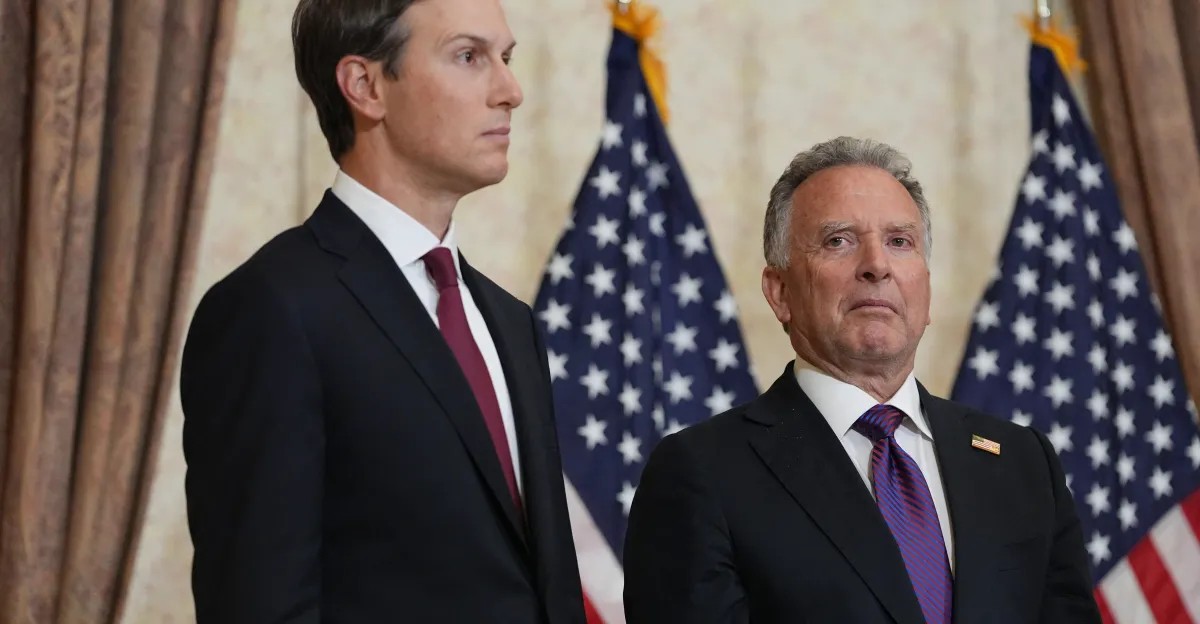
- The U.S. Delegation: Rather than Vice President JD Vance, the American team will be led by Steve Witkoff, the Special Envoy to the Middle East, and Jared Kushner. While Kushner is a central figure in the administration’s foreign policy approach, he holds no official government position and maintains extensive private business interests in the Gulf region.
- The Iranian Delegation: Iran is not sending its primary negotiating partner, Parliament Speaker Mohammad Bagher Ghalibaf. Instead, reports indicate that Iran’s Foreign Minister will deliver a written response to a U.S.-proposed peace deal.
The shift toward written responses and non-official intermediaries may suggest a cautious, perhaps even transactional, approach to the negotiations, rather than a high-level summit aimed at immediate reconciliation.
Economic Pressure and the Strait of Hormuz
While diplomats talk, the physical reality on the ground remains highly volatile. The Strait of Hormuz —one of the world’s most vital maritime arteries—remains largely closed due to a dual blockade.
- The U.S. Position: The United States maintains a blockade of Iranian vessels and ports, with President Trump asserting “total control” over the waterway.
- The Iranian Position: Iran continues to restrict traffic through the strait, recently reportedly firing upon at least three vessels attempting to transit the area.
Why this matters: The closure of the Strait of Hormuz is not merely a military issue; it is a global economic crisis. Because this waterway is essential for the transport of oil, the continued blockade is driving up energy costs and contributing to inflation. This volatility has a “trickle-down” effect, impacting the global availability and price of food, fuel, and essential consumer goods.
Looking Ahead
The success of the Pakistan talks will likely depend on whether Iran’s written proposal meets the administration’s demands. However, the decision to bypass top-tier political leaders in favor of envoys and written statements has led some observers to question the true momentum of the peace process.
The standoff remains a high-stakes game of economic and military brinkmanship: the U.S. is using maritime control as a primary lever to force a deal, while the global economy bears the cost of the resulting instability.
Conclusion
The upcoming meeting in Pakistan is a pivotal moment that will test whether diplomatic channels can overcome the intense economic and military pressures currently defining the region. Whether these talks lead to a permanent peace or merely a temporary pause remains to be seen.