



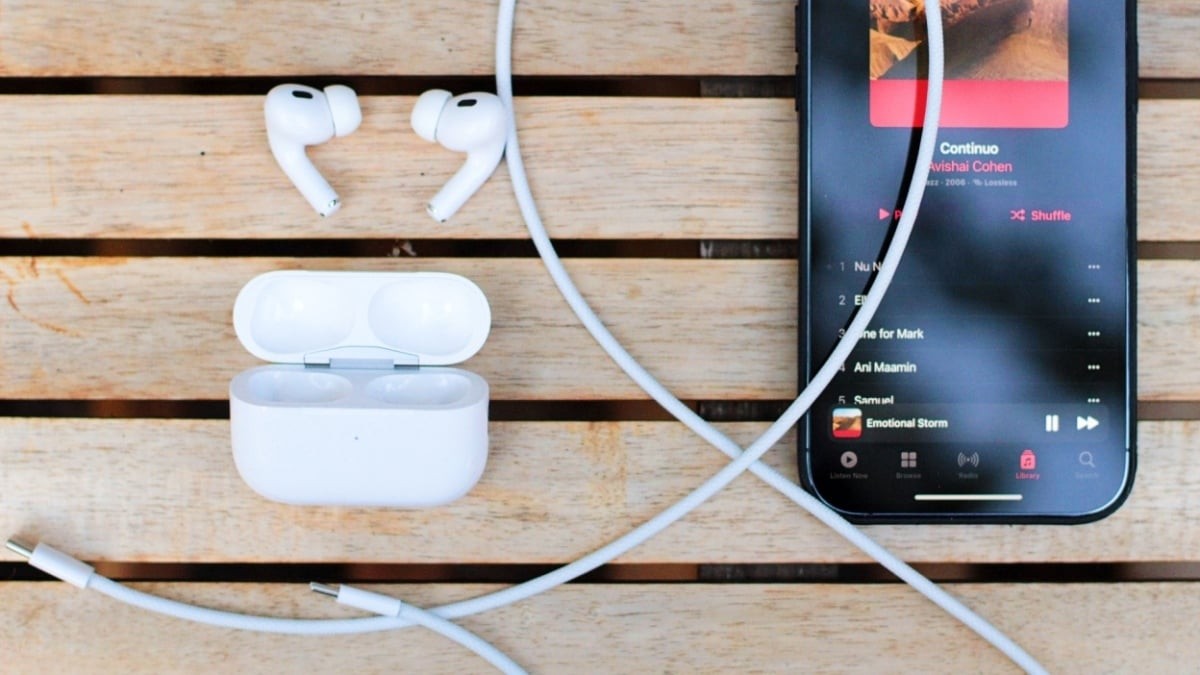
Apple is reportedly in the final stages of testing a new generation of AirPods equipped with small cameras, marking a significant pivot in how the tech giant integrates artificial intelligence into its wearable ecosystem. According to Bloomberg’s Mark Gurman, these prototypes feature a near-final design and capabilities, signaling that the project has moved beyond early concept phases. While a firm release date remains unconfirmed—and there is no guarantee the device will reach consumers—this development represents a tangible step toward Apple’s vision of ambient AI.
Design and Functionality: Beyond Photography
The upcoming earbuds will feature slightly longer stems than current models to accommodate the hardware, but their primary function is not photography or videography. Instead, the low-resolution cameras are designed to perceive the user’s environment, enabling the device’s AI assistant to provide context-aware interactions.
This distinction is crucial for understanding Apple’s strategy:
* Environmental Awareness: The cameras allow the AI to “see” what the user is looking at, potentially offering real-time information or assistance without manual input.
* Transparency Measures: To address privacy concerns, the earbuds will include an LED indicator light that illuminates when the cameras are active.
* No Media Capture: Gurman explicitly states that the modules are not intended for capturing photos or videos, differentiating them from competitor devices like Meta’s Ray-Ban smart glasses.
The Privacy Paradox: History and Concerns
The introduction of cameras into personal audio devices inevitably raises significant privacy questions. Despite Apple’s strong historical commitment to user privacy, the precedent set by other tech companies suggests a complex public reaction.
Contextual Trend: The market is currently flooded with camera-enabled wearables. Meta’s Ray-Ban glasses have faced criticism for enabling surreptitious recording, while Google’s earlier attempt with Glass was met with intense public backlash due to privacy fears.
Apple’s approach attempts to mitigate these issues through technical limitations (low resolution, no storage of media) and visual indicators (LED lights). However, the effectiveness of these measures in calming public anxiety remains an open question. The core issue is not just what the device can do, but how the public perceives the potential for misuse by others.
A Competitive Landscape Shaped by AI Wearables
Apple’s move does not occur in a vacuum. It reflects a broader industry trend where major technology firms are racing to define the next form factor for AI interaction.
- OpenAI: Collaborating with former Apple designer Jony Ive on an AI wearable.
- Meta & Google: Heavily investing in smart glasses with integrated cameras and AI capabilities.
- Motorola: Recently unveiled a concept AI pendant at CES 2026.
- Apple: Alongside the camera-equipped AirPods, the company is also rumored to be developing an AI pin.
This surge in wearable AI hardware suggests that industry leaders believe consumers are ready for devices that bridge the gap between digital assistance and physical reality. The key differentiator will be how each company balances functionality with social acceptability and privacy.
Conclusion
Apple’s camera-equipped AirPods represent a bold attempt to integrate AI seamlessly into daily life through a familiar product form. While the technical focus is on environmental awareness rather than media capture, the device’s success will depend heavily on public trust and the effectiveness of its privacy safeguards. As the industry races toward wearable AI, Apple’s next move may set a critical precedent for how consumers accept and interact with camera-enabled personal devices.