



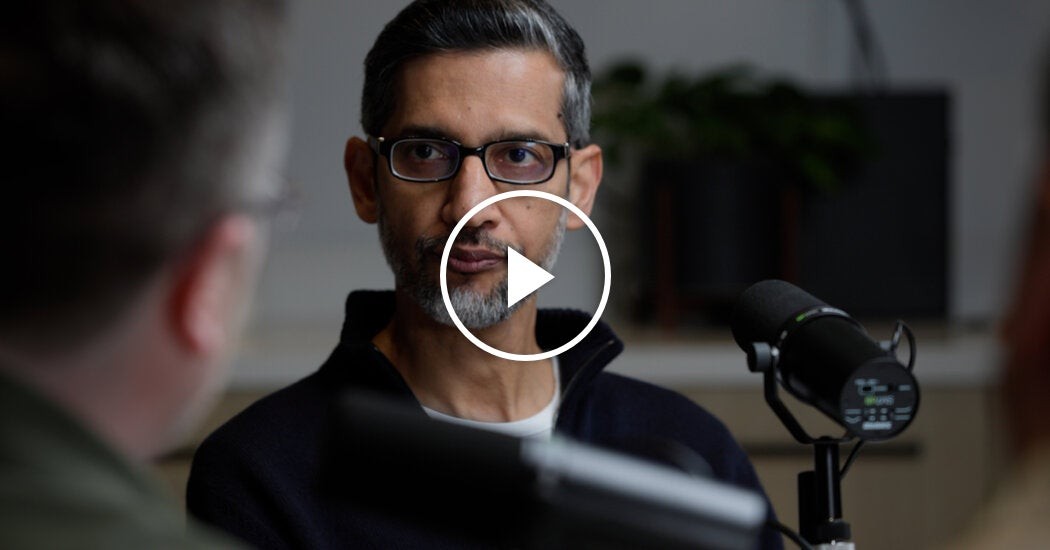
It’s 2024 now.
Not 2023 when we last spoke. Not back when Bard still existed — rest in peace to the name that lasted longer than anyone expected. The conversation back then? Simple. Google was behind. The gap was obvious. The anxiety was real.
Ask Pichai today about that gap and the answer changes completely.
He doesn’t shy away from it. Doesn’t try to smooth over the rough edges. Says it flatly: we are right there. Not chasing anymore. Sitting at the table with the few others actually pushing the frontier.
The nuance matters though. You can’t just claim victory in one stroke when AI is this complex. Pichai breaks it down into pieces that make sense. Some areas? Google leads. Text. Multimodality. Voice. Reasoning. General intelligence across the board feels strong. Very capable.
Then there are the parts where the needle points down.
Coding agents specifically. Tools. Following complex instructions over long horizons. Pichai admits they’re a bit behind here. No sugar coating. No corporate spin to hide the deficit.
It’s a combination of leading and trailing simultaneously.
So what’s the feeling overall? Confident? Cautious? A bit of both.
He talks about consumers and enterprises and developers all finding success. It’s not just hype. It’s working tech, shipped and used, globally. The momentum has shifted from “playing catch-up” to “holding ground.”
Maybe even advancing on specific fronts.
They are hard at work closing that agentic coding gap. That’s the promise. But right now, the position feels earned, not declared.
Who gets to define what “the frontier” actually means anyway?