



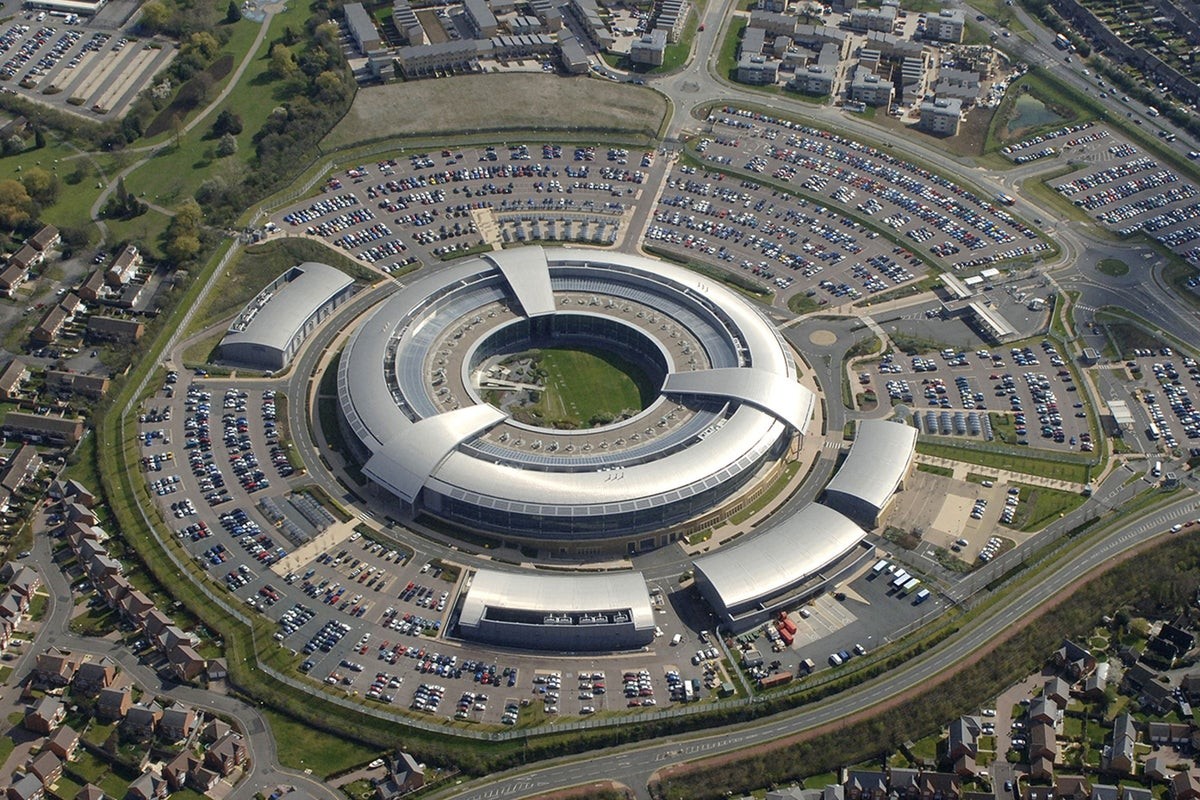
GCHQ dropped a bombshell. Well. Maybe not a bombshell. More of a blueprint. They are building a national AI cyber shield. World’s first, apparently. It will use autonomous AI agents. Hunting threats. Scanning critical infrastructure. Airlines. Telecoms. Major companies. The goal is simple. Stop breaches. Like the one that hit Jaguar Land Rover. They say it will be ready in five years. A long time. In cyber time. It feels like forever.
Anne Keast-Butler, GCHQ director, made the announcement at Bletchley Park. Wednesday. Fitting, really. The historic site of code-breaking. Her predecessor’s home base. She called AI an “unstoppable force.” She didn’t sugarcoat it.
“In the past few months… hardwire cutting-edge agentic AI… into machine-speed cyber defence.”
That is the pitch. Embedding frontier AI deep into their ops. Responsibly. Ethically. Or so she claims. It translates foreign languages. It finds needles in haystacks. Fast.
Is it an opportunity? Yes. A risk? Definitely. She spoke of an intergenerational duty. To secure it. To protect the economy. To keep the way of life intact. It sounds noble. It sounds urgent.
She urged the tech industry and security experts to move at the “speed of the frontier.” Boardrooms to living rooms. Everyone needs to act. The ground is shifting. Fast.
The Threat is Real
Why the urgency? Russia. They are relentless. Keast-Butler painted a grim picture. Russian targets include critical infrastructure. Democratic processes. Supply chains. Public trust. Hybrid activity is up. Daily. She wants cyber security to become “10 times more urgent.”
GCHQ is fighting back. Disrupting smuggled Western tech. Fending off attacks. Countering sabotage. And assassinations. She noted that Putin is losing on the battlefield. Sticking by Ukraine. The intel is stark. Nearly 500,00Russian soldiers killed in Ukraine. A staggering number.
But the threat doesn’t stop there. The window to stay ahead is narrowing. Tech advances mean adversaries catch up fast.
Other Players
It is not just Russia. China is a science and tech superpower. Sophisticated capabilities. Across intelligence, cyber, military. They are serious.
Dr. Richard Horne heads the National Cyber Security Centre (part of GCHQ). He warned earlier this year that most major cyber attacks on Britain come from hostile states. China. Iran. Russia. He says they deal with about four of these a week. Four. Every. Week.
His advice is blunt. Protect yourself. Don’t pay ransoms. If the UK gets dragged into a bigger international conflict, they will be targeted “at scale.”
So. Here we are. AI promises defense. Enemies promise disruption. The advice is the same as ten years ago. Stay vigilant. But now? The stakes feel higher. The tech moves faster. We are building the shield. They are sharpening the sword.
Which will arrive first?