


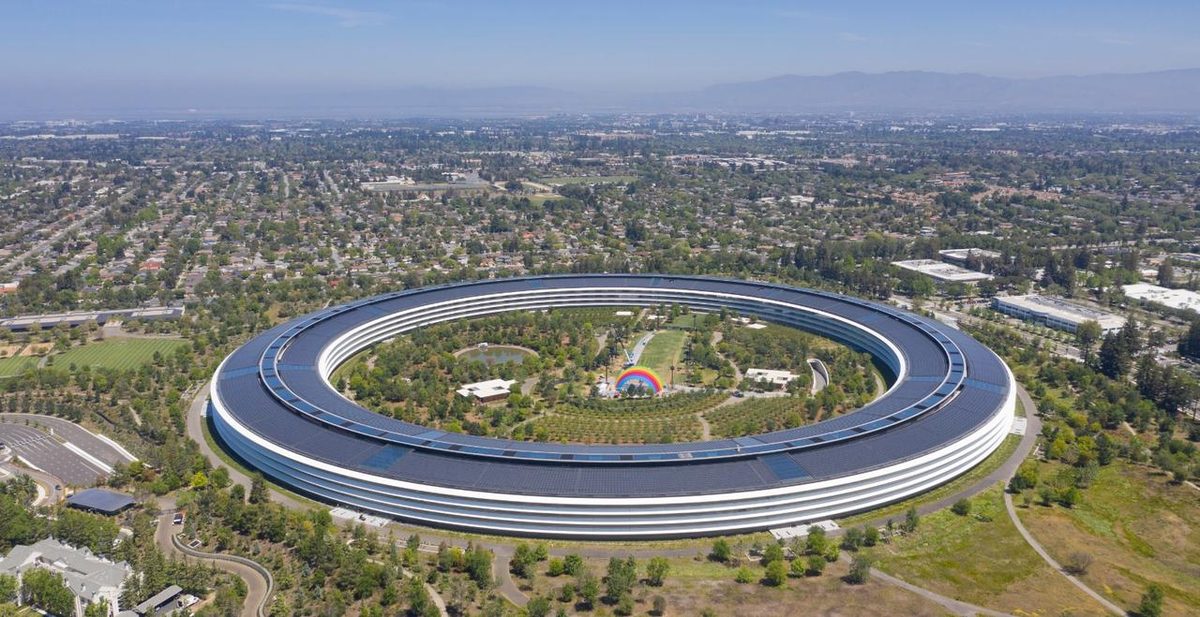
The tech world has a gravitational center. It’s located in Cupertino, California. This isn’t just a geography lesson; it’s the home base of the world’s most valuable company. They don’t just sell gadgets. They build an entire digital habitat.
From the pocket to the desk, their influence is everywhere. You likely interact with their products more than you realize. The smartphone in your hand? Probably one of theirs. The laptop on your desk? Maybe. Even the device tracking your sleep might be.
Beyond the iPhone: The Full Hardware Portfolio
People often reduce this Cupertino giant to just one product. That’s a mistake. The company designs a wide range of consumer electronics. Smartphones are the crown jewel, sure. But the ecosystem extends far beyond that single device.
Laptops and desktops form the professional backbone. They range from lightweight ultrabooks to powerful workstations. Tablets serve as creative tools and media consumption hubs. Wearables like smartwatches monitor health metrics and keep notifications close. Headphones provide the audio layer to the entire experience.
It’s not just about hardware. It’s about how these devices talk to each other. The real magic happens in the integration. Your phone unlocks your laptop. Your watch unlocks your phone. Your tablet mirrors your computer. This continuity is what keeps users locked into the brand.
Why It Matters for the Everyday User
You might think this is just corporate marketing. But the impact is tangible. When devices work together, friction disappears. File sharing becomes instant. Calls jump from your phone to your headphones without missing a beat. Photos sync across all screens automatically.
This convenience comes at a cost. You are buying into a closed garden. It’s walled off from competitors. You can’t easily switch to another brand halfway through your setup. The learning curve is steep if you leave. The tools are different. The file formats are different. The ecosystem is different.
For many, that’s a feature, not a bug. Predictability feels safe. When something works, you don’t think about it. It just works. That reliability is the product’s main selling point.
The Hidden Cost of Convenience
Is it worth the premium price tag? Often, yes. For those who value simplicity and reliability. The initial investment is high. But the longevity is also high. Devices last longer. Software support lasts longer. Resale value stays higher.
For others, it’s a trap. You become dependent. Migrating out is painful. Data portability is limited. You are less in control of your own digital life. The hardware is beautiful. The software is polished. But the lock-in is real.
The question isn’t just what you buy. It’s what you become dependent on. Once you’re in the ecosystem, leaving feels like falling off a cliff. The convenience is seductive. The isolation is absolute.
This is only the beginning of the story. The hardware is just the entry point. The real power lies in what happens next.

The early days were humble. In July 1976, Steve Jobs and Steve Wozniak unveiled the Apple I at a Homebrew Computer Club meeting. It was the beginning. Jobs played the salesman, landing a deal with Byte Shop for 50 units at $500 each. Two years later, they launched the Apple II and then the Apple III, which finally brought color graphics to the personal computer table.
Then came the pivot. January 1983 brought the Lisa, a mouse-driven graphical machine aimed at families. A year later, the original Macintosh arrived, backed by the legendary “1984” ad. But the Mac family struggled against IBM’s dominance. Jobs was ousted in April 1985. He didn’t return to lead until twelve years later, reviving the company with Mac OS X.
The hardware diversification
October 2001 marked a massive shift. Apple released the first iPod, a portable digital music player supported by iTunes, which launched two years later. The strategy worked. iTunes hit 2 million downloads in its first two weeks. Between April 2003 and June 2004, Apple sold 200 million songs. They didn’t invent the digital player, but they changed how people consumed music. The first billion downloads arrived in February 2006.
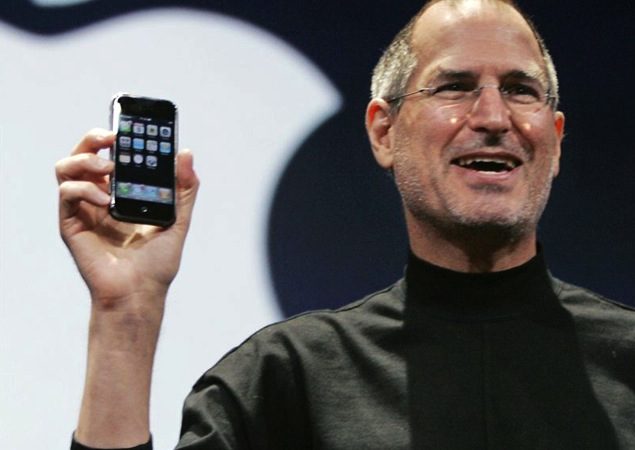
June 2007 brought the iPhone. It launched in France later that same year. Apple’s strategy became clear: release at least one new model annually, usually targeting the high-end market. The game changer was the App Store in June 2008. This gave Apple a new revenue stream, taking a 30% cut of every sale.
The iPad followed in January 2010. With its large touch screen, it sold 3 million units in less than three months. These devices—iPhone, iPod Touch, iPad—formed the foundation of iOS, a platform built on Mac OS X but optimized for handhelds. This expansion allowed Apple to launch services like iCloud, iMessage, FaceTime, Apple Pay, and Apple TV+, alongside hardware like the Apple Watch and HomePod.
By August 2020, Apple held the world’s largest market capitalization. At $2 trillion, it surpassed Saudi Aramco. The company had moved from selling boxes with keyboards to owning the digital ecosystem. The question now is whether that dominance can hold as the market saturates.


