


The digital world is loud again. After a long silence, Hannover is waking up. The CEBIT trade fair returns to the city, and it brings more than just booth space. It brings a forecast. We are talking about the machinery of tomorrow. Artificial intelligence. Blockchain. Virtual reality. These are not just buzzwords anymore. They are the tools shaping our next decade.
But what is actually coming? And why should you care if you just want to send emails and check the weather?
Why CEBIT Matters Now
This isn’t just another tech expo. It is a pressure test for the industry. Scientists and corporations are finally showing their cards. The gap between theoretical research and actual deployment is closing. You used to wait years for a breakthrough. Now, CEBIT shows you what is ready for your desktop, your pocket, and your business logic today.
The question isn’t if these technologies will change your daily routine. The question is how quickly they will.
AI: The Engine Under the Hood
Let’s start with the obvious giant. Artificial intelligence. It is no longer a novelty. It is infrastructure. At this year’s CEBIT, the focus shifts from “what can AI do” to “how does it work in practice.”
We are seeing models that don’t just generate text. They analyze complex datasets in real time. They predict supply chain failures before they happen. They personalize education for every single student. The trend here is integration. AI is becoming the invisible layer in every software stack. If your current workflow doesn’t have an AI component, you are already behind.
“AI is not a product. It is a capability that gets baked into everything else.”
Blockchain: Beyond the Hype
Remember when everyone said blockchain was just a fad for crypto? Wrong. The industry is maturing. The current wave of blockchain trends is about utility, not speculation.
Look at supply chains. CEBIT highlights how immutable ledgers can prove the origin of goods. Is this coffee fair trade? Is this medicine genuine? Blockchain provides the proof. It removes the need for trusted intermediaries in logistics. For consumers, this means more transparency. For businesses, it means less fraud.
The technology is moving past its teenage years. It is getting serious about enterprise applications.
VR and AR: Stepping Into the Digital Twin
Virtual Reality and Augmented Reality are shedding their gamer skins. They are entering the workplace.
Imagine repairing a complex machine. Instead of reading a paper manual, you put on AR glasses. Instructions appear over the actual parts. Errors are highlighted. This is the new reality for industrial training. It reduces mistakes. It speeds up learning.
For consumers, VR is still largely entertainment. But the infrastructure is there. The hardware is cheaper. The content is getting better. We are not far from virtual meetings that feel physical. The latency is dropping. The resolution is rising.
What This Means for Your Daily Life
You might think these trends belong in boardrooms. They don’t. They trickle down. Fast.
The same algorithms optimizing factory lines will eventually optimize your traffic light. The same blockchain protocols securing shipping containers will soon secure your medical records. The VR headsets in factories will become the AR glasses you wear for navigation.
The CEBIT preview shows a world where digital and
The CEBIT in Hannover remains a cornerstone of the IT industry. Every year, it showcases the latest developments and trends from the world of digital life and work. This year is different though. The dates have moved from March to June 11-15. The themes remain just as diverse as ever.
Why Blockchain Matters for Mobile Users
Blockchain is a major focus this year. Bitcoin’s volatile journey from peak to peak has brought these “blocks of data” into the spotlight. In simple terms, blockchains are special databases. They store transactions in a way that is both decentralized and tamper-proof.
The technology is seen as a breakthrough in the digital world, promising a wide range of applications that are still largely in the future.
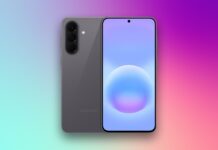
Most blockchain uses are still science fiction. You won’t see them everywhere yet. But CEBIT lets you peek at that future. Manufacturers from Taiwan and Israel are showing off the first blockchain-enabled smartphones. These devices aim to make mobile calls more secure. They also double as wallets for cryptocurrency.
This answers a common question about how blockchain integrates with consumer hardware. It’s not just about trading tokens. It’s about building trust directly into your pocket. For users in Europe and beyond, the CEBIT June dates mean a summer tech showcase rather than a spring event.


When AI Stops Talking and Starts Moving
For years, the tech crowd has been buzzing about artificial intelligence. The CEBIT 2018 didn’t just mention it once. It declared AI the definitive trend topic. We know the drill now. These systems handle bookkeeping. They steer logistics. Insurance companies use them to review claims and approve payments instantly.
The applications are getting weirdly personal. In medicine, algorithms gorged on massive datasets help doctors interpret findings. The result? Earlier cancer detection. Compare thousands of patient records, spot the pattern, catch it early. It sounds like sci-fi. It’s happening now. Then there are voice analysis apps. They listen to your tone. They predict Parkinson’s risk before symptoms show up.
But AI isn’t just code running on a server. It’s stepping off the screen.
Pepper and the Rise of Empathetic Robotics
You’ll meet these intelligences more often in daily life. Chat-bots handle customer service complaints. Hotel lobbies feature robot concierges. Retail staff might be smart employees scanning shelves. Caregivers are being simulated by machines.
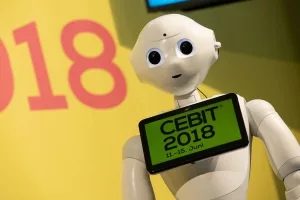
SoftBank Robotics brought this to life at the fair. Their 1.20-meter humanoid, named Pepper, demonstrated what’s possible. The line between AI and robotics blurred. It’s a bridge. A concrete one.
Pepper isn’t just a talking head. The mimicry is startling. The speech capabilities are sharp. But the real trick is emotional response. It reacts to human feelings. It’s not just processing input. It’s reading the room.
Need to find a hotel? Ask Pepper. Want details on a specific product? It knows. It helps. It serves. The integration of AI into physical form changes the dynamic entirely. You don’t just search for information anymore. You interact with it. The machine listens. The machine adapts.
Is this convenience or intrusion? The line is thin. We are already asking these robots for help. We are letting them into our most private spaces. The technology is ready. The question is whether we are prepared for what comes next. The robots are smiling. They are waiting.


Why Security Is No Longer Optional
Digitalization isn’t just changing how we work. It’s rewriting the rules of engagement for every industry. With that shift comes a nagging question: how do you keep your data safe? The answer, at least for now, is that you don’t have a choice. IT security has become a heavyweight topic on the exhibition floor for a reason. Illegal attacks on networks are rising globally. The damage isn’t theoretical. It’s happening right now.
Companies aren’t waiting around for solutions to magically appear. They are building them. In Hannover, attendees will find a wide array of defenses ready to deploy. We’re talking about smartphone apps designed for secure, untraceable voice calls. We’re also looking at software that hunts down web-based attacks in real-time. Some tools even identify vulnerabilities in code before hackers can exploit them. The goal is simple. Stay ahead of the threat.
More Than Just Code: The Experience Economy
If security is the bread and butter, the rest of CEBIT 2018 is the garnish. And it’s a heavy garnish. The “Internet of Things” (IoT) continues to dominate conversations. Drones are buzzing around. Augmented Reality (AR) and Virtual Reality (VR) are stepping out of the lab and into the mainstream. Then there is the future of mobility and the mythical “Workplace 4.0.”
You can still walk from booth to booth. You can still sit through the technical lectures. That’s the traditional way. But this year, the organizers are pivoting. They want you entertained.
Enter the d!campus.
It’s not a conference hall. It’s a party. You’ll find concerts. DJs spinning tracks. Street food that actually tastes good. It’s a deliberate attempt to humanize the tech giant landscape.
High-Rise Networking
The big players aren’t just handing out brochures. They are putting on spectacles.
Look up. IBM has installed a Cloud Lifter 70 meters high. It’s not just a gimmick. It offers visitors a literal bird’s-eye view of the entire fairground. From that height, the scale of the event becomes visible. You see the sheer volume of connected devices, the sprawl of enterprise software, and the density of innovation.
SAP is playing a slightly different game. Their giant Ferris wheel operates at 60 meters. Inside the 40 cabins, the noise of the crowd fades. The focus shifts. Developers, customers, and curious outsiders huddle together. It’s a unique environment for networking. There is no elevator pitch. Just conversation. High above the ground.
The Hybrid Reality
Is tech becoming less about function and more about theater? Maybe. But consider the alternative. If the experience is boring, the message gets lost. The d!campus and the high-altitude rides serve a purpose. They lower the barrier to entry. They make the intangible aspects of cloud computing and IoT feel tangible.
The security tools on the floor are serious business. Real-time threat detection doesn’t have time for fluff. But the venue itself? That’s a different story. The line between learning and participating is blurring. You come for the security patch. You stay for the view from 70 meters up.
Does that dilute the technical rigor? Perhaps. But it also