





Low interest rates are killing traditional savings accounts. Days accounts. Fixed-term deposits. They barely cover inflation anymore.
This forces a search for alternatives. Not because we want to gamble. But because history is clear.
Stock market strategies outperform cash holdings over the long run.
To execute this, you need a brokerage account.
You have two paths.
Your local brick-and-mortar bank. Or an online-only direct bank.
Both have specific trade-offs.
One offers face-to-face advice and trust. The other offers lower fees and speed.
Choosing between them matters. Especially when you are just starting out.
What should you actually look for?
The Traditional Bank Trap
Your house bank is comfortable. You have a branch nearby. You can walk in when things go wrong.
But comfort costs money.
Traditional banks often charge high depot fees. They push their own financial products. These products frequently carry hidden costs or lower returns than the market average.
If you choose this route, you are paying for the relationship. Not just the technology.
The Online Bank Advantage
Direct banks and online brokers have disrupted this model. They have no branches. No expensive real estate.
This translates to lower costs.
For the private investor, this is often the deciding factor. Lower trading fees mean more money stays in your portfolio.
However, you lose the personal touch. There is no manager to call when you panic during a market crash.
What Actually Matters
The choice isn’t just about fees. It’s about usability and access.
Which platform gives you access to the global markets you need?
Where is the execution fastest?
Which interface doesn’t make you want to close the tab immediately?
These are the real questions.
The Bottom Line
There is no perfect choice.
Your house bank offers security. But at what price?
The online broker offers efficiency. But with less hand-holding.
You need to decide which pain you prefer to endure.
High fees. Or low support.
Most modern investors are leaning toward the online option.
But the trend isn’t universal.
Some people still value the handshake.
The rest of us are just watching the numbers.
Deutsche Anleger hüten sich traditionell vor dem Börsengang. Es ist eine kulturelle Veranlagung. Die Folge? Eine verpasste Chance auf signifikante Rendite. Studien bestätigen das immer wieder. Während Tagesgelder aktuell kaum mehr als 0,5 Prozent Zinsen bringen, zeigen ausgewogene Kapitalmarkt-Investitionen über Zeiträume von fünf Jahren oder mehr jährlich mindestens fünf Prozent Rendite. Das ist kein Geheimnis. Es ist reine Mathematik.
Die Zurückhaltung hat also nichts mit mangelnder Auswahl zu tun. Fast jede deutsche Bank bietet Depotlösungen an. Doch der echte Aufschwung liegt woanders. In den Online-Depots. Diese Form der Anlage hat sich durchgesetzt. Nicht nur Direktbanken, auch etablierte Filialbanken haben das erkannt. Der Grund für die Beliebtheit ist einfach.
Warum Online Depots dominieren
Der Haupttreiber ist die Kosteneffizienz. Und die Einfachheit.
- Eröffnung ohne Hürden: Der Antrag geht online. Papier kommt per Post. Kein Filialbesuch nötig.
- Transparenz bei den Kosten: Die Depotführung ist oft kostenlos. Ordergebühren liegen deutlich unter dem Niveau klassischer Depotlösungen.
- Kontrolle und Flexibilität: Der Anleger entscheidet selbst. Transaktionen sind rund um die Uhr möglich, unabhängig von Banköffnungszeiten.
Die Legitimation erfolgt heute meist über das Postident-Verfahren. Du gehst zur Post, weist dich aus, die Daten sind direkt beim Depotbetreiber. Kein langes Warten. Kein Papierkram am Schalter.
Doch es gibt eine Kehrseite. Wenn du dir kein klassisches Depot mit Berater öffnest, musst du alles selbst machen. Das spart Geld. Es kostet aber Zeit und Wissen.
Was spricht gegen ein Online Depot?
Die Frage ist berechtigt. Wenn alles so gut ist, wo ist der Haken?
“Der Nachteil liegt in der reduzierten Service-Leistung.”
Bei reinen Online-Depots fällt der persönliche Kontakt weg. Häufig gibt es keine Filialen. Der einzige Weg zur Bank ist das Telefon. Und selbst das ist nicht immer 24/7 erreichbar.
- Keine substanzielle Beratung: Du bist auf dich allein gestellt.
- Eigenverantwortung: Risiken und Chancen musst du selbst recherchieren.
- Lernkurve: Die Plattform muss verstanden werden.
Kritiker sagen: Ohne Ratgeber macht man Fehler. Ist das wahr? Vielleicht. Aber selbst mit Berater trifft der Anleger die finale Entscheidung selbst. Die Verantwortung bleibt beim Investor.
Die Bedienoberflächen der Anbieter sind heute jedoch sehr benutzerfreundlich. Der Einstieg fällt leichter als noch vor zehn Jahren. Wer bereit ist, sich in die Materie einzulesen, der kann hier massiv Kosten sparen.
Wie erkennt man ein gutes Online Aktiendepot?
Die Entscheidung für die Online-Lösung ist gefallen. Jetzt steht die Auswahl. Der Markt ist überlaufen. Ein Vergleich ist unerlässlich. Portale wie www.aktiendepot.com strukturieren diese Flut an Informationen.
Darauf solltest du achten:
- Gebührenstruktur: Niedrige oder null Depotführungsgebühren. Günstige Ordergebühren.
- Informationsangebot: Gute Daten zu Kapitalmärkten. Tools, die helfen.
- Service-Qualität: Erreichbarkeit im Problemfall.
Gebühren sind leicht zu vergleichen. Die Qualität des Supports ist das schwierigere Kriterium. Lies Erfahrungsberichte. Sie geben oft einen besseren Hinweis auf die Realität als die Werbeprospekte der Banken.
Ein gutes Depot ist mehr als nur ein Ticket zum Börsenhandel. Es ist ein Werkzeug. Und wie bei jedem Werkzeug zählt die Handhabung. Wer hier spart, zahlt später oft mit verpassten Chancen oder unnötigen Gebühren.
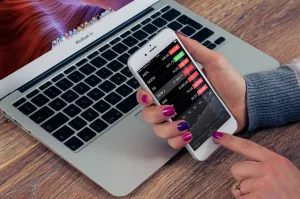
The math is simple. When you cut out the middleman, you keep more money. For investors who trust their own research and execution capabilities, an online stock account isn’t just a convenience—it is the only logical move.
The Cost of Advice vs. DIY Control
Traditional financial advisors charge for their time. Online brokers charge for execution. The difference in fees adds up faster than most people realize.
By skipping personalized advisory services, you eliminate recurring commissions. This isn’t just about feeling good about being frugal. Lower costs directly impact net returns. Over a decade, those saved fees compound. The result is a higher baseline performance that no advisor fee can match.
Service Quality Still Matters
Cheapest isn’t always best. A bare-bones platform might save you three dollars a trade, but if the charting tools are broken or customer support takes three days to respond, you lose more than that.
The sweet spot is a provider that balances low fees with robust infrastructure. Look for:
– Real-time data feeds
– Reliable order execution during high volatility
– Educational resources that actually make sense
When you find that combination, the barrier to entry for a successful independent strategy disappears.
Execution Without Friction
The real test is the user experience. Does the interface get out of the way? Can you place a complex option trade in two clicks or five? For active traders, every second and every click costs money in both time and potential slippage.
An online depot removes the friction of phone calls and paperwork. You see the market. You make the decision. The trade happens. No gatekeeper. No second-guessing from a broker who might hesitate because the trade is too small or too risky for their comfort zone.
The Bottom Line
Independent investing isn’t for everyone. It requires discipline. It requires the ability to handle volatility without panic-selling. But for those willing to do the work, the online brokerage model offers the cleanest path to wealth accumulation.
You control the strategy. You control the timing. You keep the spreads.
Is it worth the effort? If you view your portfolio as a business rather than a savings account, the answer is yes. The market doesn’t care about your feelings, but it does reward efficiency. And there is no more efficient structure than a direct line to the exchange.