




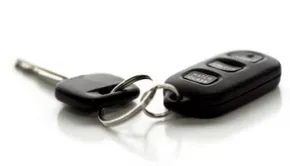
You walk up to your car. You press a button on a plastic fob the size of a stick of gum. The doors unlock. It feels like magic, but it is just radio waves. Specifically, signals bouncing between a transmitter in your hand and a receiver in your vehicle. This same tech opens your garage door too.
But think about the trust involved. You are handing the security of a $30,000 asset to a tiny piece of plastic. Why doesn’t the fob from a neighbor’s identical sedan open your door? And what stops a thief from picking up that signal and driving away with your ride?
The short answer is: they try, but it is harder than you think.
We don’t hear about keyfob thefts every day. That is not an accident. The technology behind modern remote entry systems—specifically rolling codes and data encryption —creates a digital mountain that most thieves are not equipped to climb. If you are wondering how these systems actually work to keep your car safe, here is the breakdown.
The Mechanics of Rolling Codes
Modern keyless entry systems operate on a radio frequency between 300 and 400 MHz. If your keyfob just sent out the same static signal every single time you pressed the button, the world would be a dangerous place. Any fob tuned to that frequency could unlock any car of that make and model.
To prevent this chaos, manufacturers use rolling codes. Also known as hopping codes, these systems ensure that the signal changes with every single interaction.
Here is the process:
- You press the unlock button.
- The keyfob generates a new, unique code.
- The receiver in your car recognizes this new code.
- Both the fob and the car’s internal controller chip update their synchronized counters for the next use.
The code “rolls” or “hops” to a new value. A controller chip inside the vehicle is responsible for this shift. It ensures that the car only responds to the specific, current code. This synchronization is key. Without it, the system would desynchronize, and you would be locked out of your own car.
Why Code Grabbers Fail
Before rolling codes became the standard, the security landscape was different. Thieves used simple electronic devices called “code grabbers.”
A code grabber would sit in your parking lot, listen to your keyfob, and record the static code you used to unlock your car. The thief could then replay that exact signal later to open your doors. It was a trivial hack.
Rolling codes killed this method. Because the code changes every time a button is pressed, a recorded signal is useless the moment it is captured. It is like trying to use yesterday’s password to log into your email. The system has already moved on.
There is another layer of protection here. The rolling code sequence is not stored in the keyfob. It is stored in the car’s computer. A thief would need to break into the vehicle to access the code, which defeats the entire purpose of stealing it remotely.
The Role of Encryption
The numbers generated by the hopping algorithm might appear random, but in cryptography, randomness is never truly random. It is pseudo-random. Theoretically, a highly skilled hacker with enough time and computing power could analyze the sequence and predict the next code.
To close this theoretical gap, manufacturers layer data encryption on top of the rolling code mechanism.
This encryption means that the keyfob has billions of possible code combinations. Brute-forcing the system is computationally expensive and slow. It turns a quick snatch-and-grab into a multi-day mathematical puzzle that most criminals simply do not have the resources to solve.
The Vulnerability Gap
No security system is perfect. Even the best encryption has flaws.
In 2007, researchers made headlines by discovering a vulnerability in the encryption algorithm used by nearly every major car manufacturer. The flaw was in the pseudo-random number generator. With this exploit, a hacker could theoretically unlock any car from a specific manufacturer using the keyfob from just one of them.
Since then, various vehicle models have been found vulnerable to sophisticated keyfob hacks. These attacks are not impossible. They are just extremely high-tech.
Is It Worth Worrying About?
Probably not.
While the theory of hacking a keyfob is fascinating, the practical reality is different. The equipment and knowledge required to execute a rolling code encryption attack are expensive and rare. Most car thieves are opportunists, not cryptographers.
If a thief wants your car, smashing a window and hot-wiring the ignition is faster, cheaper, and requires no specialized radio equipment. The barrier to entry for a keyfob hack is simply too high for the average criminal.
What’s Next?
The technology is moving forward. Manufacturers are constantly updating their security protocols to plug the gaps found by researchers. But the threat landscape is evolving too.
In the next section, we will look at Smart Key Systems and advanced anti-theft features. Are these higher-end protections worth the extra cost at the dealership? Or are they just marketing hype? We will analyze the real-world value of these added layers of security.
The conversation about car theft is not over. In fact, it is just getting more complex.
How smart keys are changing the car security game
Standard keys have evolved. Not only do they turn tumblers; they communicate with your car’s on-board computer. An incorrect signal can trigger the alarm system or completely shut down the engine. This simple check will prevent most opportunistic thieves from driving off with your vehicle.
But convenience often trumps safety in the marketplace. Many drivers hate reaching for the key fob in their pocket. This is where smart keys come into play. Luxury brands and hybrid vehicle manufacturers were the first to adopt this technology, but it is spreading. It uses sensors and microchips to control locking, unlocking and ignition without touching metal.
Proximity Access user experience
The ritual changes. You approach the vehicle. The doors open automatically. There is no need to press the button.
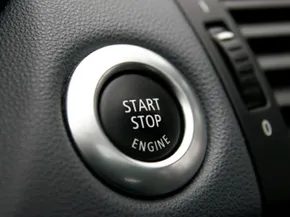
There is no ignition hole inside. All you have to do is press the “engine start” button. The car checks for the smart key inside the cabin. If it’s there—say, in your bag or pocket – the engine will start. The system remembers more than just security codes. It saves the settings. Sitting positions. The angle of the mirror. Climate settings. Everything loads instantly. It’s seamless. Or it should be.
Mobile codes and confirmation
Is this advanced setup actually safer? Yes and no.
Smart key systems are still based on rolling codes. This is the backbone of modern anti-theft technology. Every time you use the key, the code changes. The vehicle’s computer recognizes the specific rolling code emitted by your smart key. It verifies it. Only then does the engine start.
This prevents replay attacks. A thief cannot simply record the signal and play it back later. At this point, the code is already invalid. The effect remains the same: your key matches your car. But the mechanism is much more complex than a simple transponder chip.
Cat and mouse game for hacking cars
Advanced technology does not mean impenetrable. Researchers, hackers and organized car thieves are always looking for loopholes. They will not accept defeat when a new encryption method drops. They find a crack.
As criminals figure out how to bypass the latest smart key protocols, automakers respond. They update the firmware. They change the encryption. It’s a never-ending arms race.
Technology is constantly developing. Vulnerabilities are constantly changing. Currently, the system is working. Until it doesn’t. And if it fails, the cycle starts again.