


On June 12.
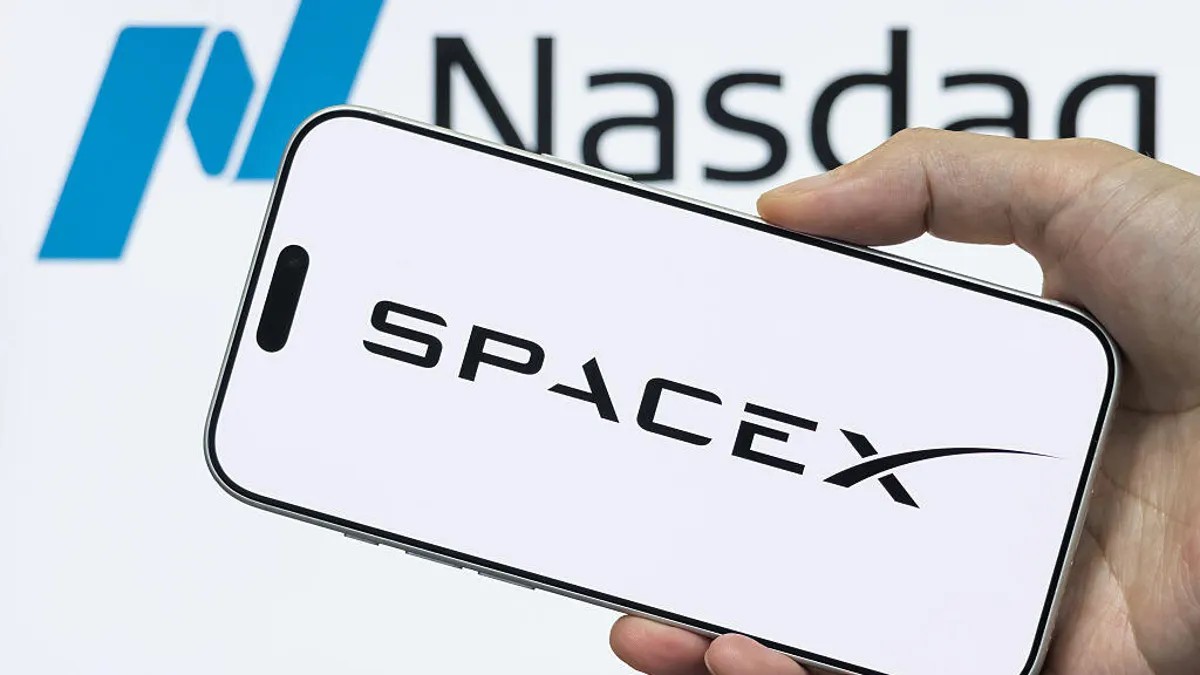
Wall Street broke a record. Not just a company record. A historical one. SpaceX’s IPO raised over $75 billion. The valuation sits around $2 trillion now. It’s the largest initial public offering ever. And because Elon Musk bundled xAI into the aerospace giant, it marks the first time a major AI company hit the public market. It beat OpenAI and Anthropic to the punch.
The fever was real. Retail investors, starved of action while big tech stayed private, rushed in. The opening price was $135. By closing bell. The share had surged 19% to $161. Volatility followed immediately. Up. Down. A roller coaster from day one.
Here’s the thing. You might not even want to touch it. But SpaceX stock is probably landing in your 401(k) anyway. And maybe in the college fund of some kid who doesn’t know what a rocket is.
The Trillionaire Pendulum
Elon Musk hit $1 trillion. Then he didn’t.
He was the first person ever to break the $1 trillion net worth barrier. But only on the right day. At peak, he hit $1.32 trillion after the IPO splash. Then stocks dipped on June 23. His worth fell to $957 billion. He’s since regained the crown. It depends entirely on where Tesla and SpaceX shares land on any given Tuesday.
This wealth isn’t just cash. It’s assets. Starlink satellites. xAI servers. X platform. Tesla cars. Solar roofs. Optimus robots. It’s all on the balance sheet. And it’s tied to an image that’s part visionary, part cult leader. He promises Mars colonies. Fully autonomous cars. A robot butler like R2-D2. Most haven’t happened. He says they will.
Volatility Isn’t A Bug
JPMorgan warned investors. They called it a volatile ride.
The warning was specific: the cash burn on AI data centers was massive. The revenue promises were lofty. The disconnect was obvious.
But the market ignored the caution. After the first day surge. The stock hit an all-time high of $225.64 on June 16. Then reality checked it. The stock tumbled. Previous gains evaporated. By June 22 it sat near $154. It clawed back slightly to hover around $170 by month’s end. CNN notes SpaceX has been one of the top two traded stocks every single day since going public. People are buying. And selling. In droves.
In Your Portfolio Whether You Like It
Did you opt-in? Probably not.
SpaceX entered the Nasdaq-100 ahead of schedule. A new rule change waived the standard 12-month vetting wait. That means index funds—automated, passive, inevitable—had to buy in starting July 7.
More Perfect Union alleges Musk strong-armed this inclusion. Critics argue it shifts risk onto everyday retirees. Senator Elizabeth Warren wants the SEC to investigate. She called it a “dangerous precedent.” Jared Bernstein, former economic advisor, put it bluntly on Substack. Tech elites are jamming volatile, profit-less assets into millions of family retirement accounts. Opting out is hard when your default portfolio is tied to these indices.
Musk Still Pulls The Levers
He doesn’t own most of the shares. He controls most of them.
Musk holds roughly 42% of SpaceX equity. But thanks to super-voting stock. He controls 85% of the voting power. This level of centralized control is rare in big tech today. Bill Gates is out. Peter Thiel sold off his stake. Mark Zuckerberg holds 13% of Meta. Sergey Brin owns just 6% of Google. Musk still calls the shots at SpaceX. And Tesla.
Retail Gets The Short Straw?
Usually. Wall Street giants take the bulk of an IPO. Banks. Hedge funds. Mutual funds. Retail gets the crumbs. Maybe 10%.
SpaceX carved out 30% for retail investors. Robin Wigglesworth at the Financial Times pointed out the signal. High retail allocation often means institutional demand was weaker than hoped. Spreading the shares thinly means everyday buyers absorb the wild price swings. Despite this, demand crushed supply. Shares were scarce. Many flipped them immediately on day one. Adding to the frenzied trading volume.
Still Burning Money
Let’s be clear.
SpaceX has no profits. Not yet. In 2025 they generated $18.5 billion in revenue. But they lost nearly $5 billion. Why? Chips and data centers. xAI cost SpaceX $13 billion last year alone. Depreciation on rockets and satellites ate another $6.6 billion.
The market doesn’t care about current cash flow. It cares about the vibe. This is “vibes-based accounting.” The hype outruns the financial reality. Expectations are high. Profits are thin. That’s the AI play right now.
Political Ties Rekindle?
Tensions cooled.
Elon Musk and Donald Trump seemed to have made up after last year’s budget battle brawl. Semafor reported discussions about using SpaceX stock to seed new “Trump accounts” for children. These are custodial IRAs. Designed to get kids invested early.
If SpaceX shares go in. The political link becomes financial. It’s a visible endorsement. Some see long-term growth. Others see a system rigged for the wealthy. But the optics are clear. Musk’s aerospace empire is back in the administration’s fold.
OpenAI Sees The Write-Off
OpenAI might have panicked.
CEO Sam Altman was ready to IPO. Targeting a $1 trillion valuation this year. Bankers were ready. Lawyers were ready. Now. It looks like 2027.
Why wait? SpaceX’s debut was a cautionary tale of high valuations meeting immediate volatility. Altman lacks Musk’s gravitational pull on markets. He doesn’t have that built-in attention economy. Institutional investors might balk at an unprofitable AI company without the SpaceX safety net of brand hype. And retail? They might keep their wallets closed. They’ve been burned enough in June.