

For many, the struggle with “doomscrolling”—the act of endlessly scrolling through negative news or social media—is a modern epidemic. Despite the rise of built-in smartphone tools like Apple’s Screen Time or Android’s Digital Wellbeing, these software-based limits often fail. They are too easy to bypass with a few quick taps, making them more of a suggestion than a barrier.
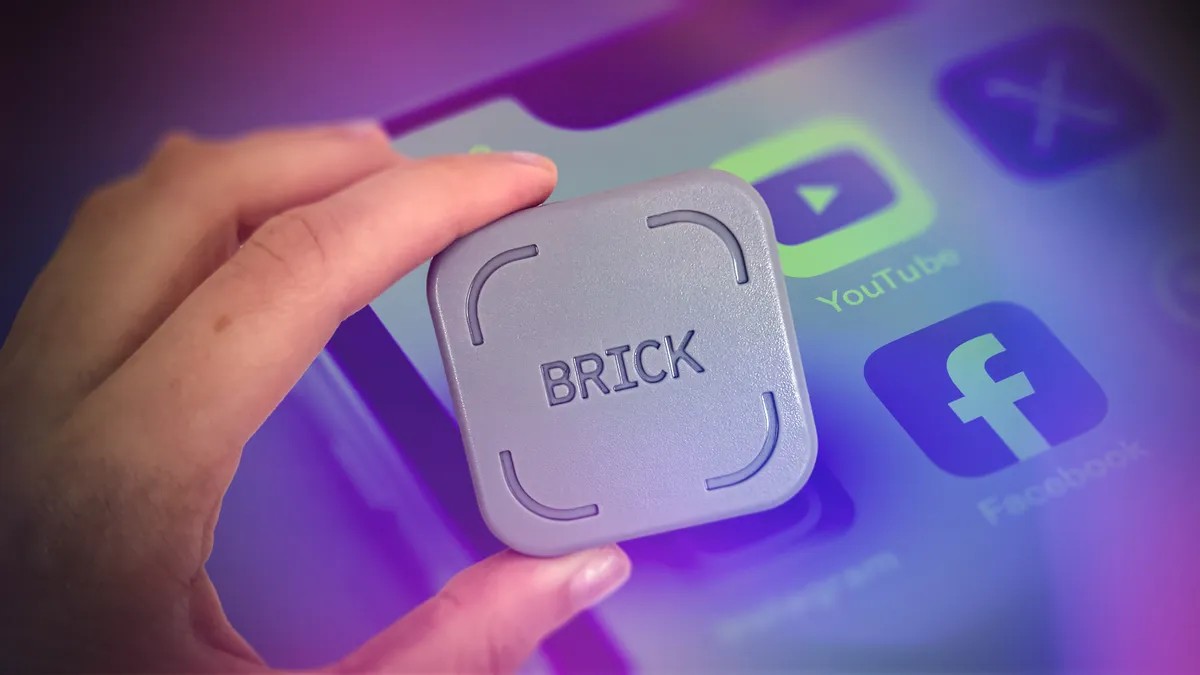
A new physical solution is gaining traction: The Brick. This palm-sized, $59 magnetic device uses hardware to create “friction,” forcing users to make a conscious, physical decision before they can access distracting apps.
The Concept: Physical Friction in a Digital World
Unlike traditional app blockers that live entirely within your phone’s software, the Brick relies on NFC (Near-Field Communication) technology.
The device does not require batteries or an external power source; instead, it draws power directly from your smartphone when you tap it. This interaction is the core of its effectiveness. To unlock or lock your selected apps, you must physically tap your phone against the Brick. This simple act creates a “speed bump” for your brain, interrupting the mindless, habitual urge to check social media and providing a moment of mindfulness.
How It Works: Setting Up Your Digital Boundaries
The Brick system is designed to be highly customizable, allowing users to build specific “modes” tailored to different parts of their lives.
1. Custom Modes and Scheduling
Users can create up to 10 different modes (e.g., “Work,” “Family Dinner,” or “Deep Study”). Each mode allows you to select specific apps and websites to block. You can also set schedules so that these restrictions automatically activate at certain times of the day.
2. Enhanced Control Settings
To prevent “cheating” the system, the Brick app offers several strict settings:
– Strict Mode: Prevents you from ending a session by simply deleting the app.
– App Installation Blocking: Stops you from downloading new distracting apps.
– In-App Purchase Limits: Reduces impulsive spending triggered by social media.
– Emergency Unbricks: The system provides five “emergency” bypasses for urgent situations, ensuring you aren’t completely stranded if a real-life necessity arises.
3. Privacy and Data
Crucially, all blocking data is stored locally on your phone. The Brick device itself cannot see which apps you are blocking, ensuring user privacy is maintained.
Real-World Impact: Moving from FOMO to “No-Mo”
The effectiveness of the Brick lies in its ability to change your physical environment. By placing the magnet on a refrigerator or a distant wall, the user creates a physical distance between themselves and their device.
When a user wants to break a “bricked” session, they must physically get up and move to the device. This movement serves as a psychological reset. Instead of the passive consumption characteristic of doomscrolling, the user is forced to ask: “Do I really want to be on my phone right now, or could I be doing something else?”
For many, this shift turns “Fear Of Missing Out” (FOMO) into a sense of freedom, making activities like reading, walking, or spending time with family feel more appealing than the digital loop.
Market Comparison: Is It Worth the Investment?
At $59 (plus shipping), the Brick is a premium option in a growing market of digital wellness tools. Here is how it compares to other alternatives:
| Device | Price | Key Feature | Drawback |
|---|---|---|---|
| The Brick | ~$59 | Physical NFC magnet; highly customizable | Higher upfront cost |
| Bloom Card | ~$39 | Wallet-sized card | Not magnetic |
| Blok Card | ~$49 | Wallet-sized card | Not magnetic |
| Unpluq Tag | ~$27 | Small tag | Requires a recurring subscription |
| DIY Method | ~$13 | Using NFC tags + Foqos app | Requires manual setup/effort |
While more expensive than a simple NFC tag, the Brick’s lack of a subscription model and its unique magnetic design make it a compelling choice for those looking for a permanent, hardware-based solution to digital addiction.
Conclusion
The Brick represents a shift in digital wellness from software restrictions to physical interventions. By introducing tangible friction into our digital habits, it helps users reclaim their attention from the addictive loops of social media.