




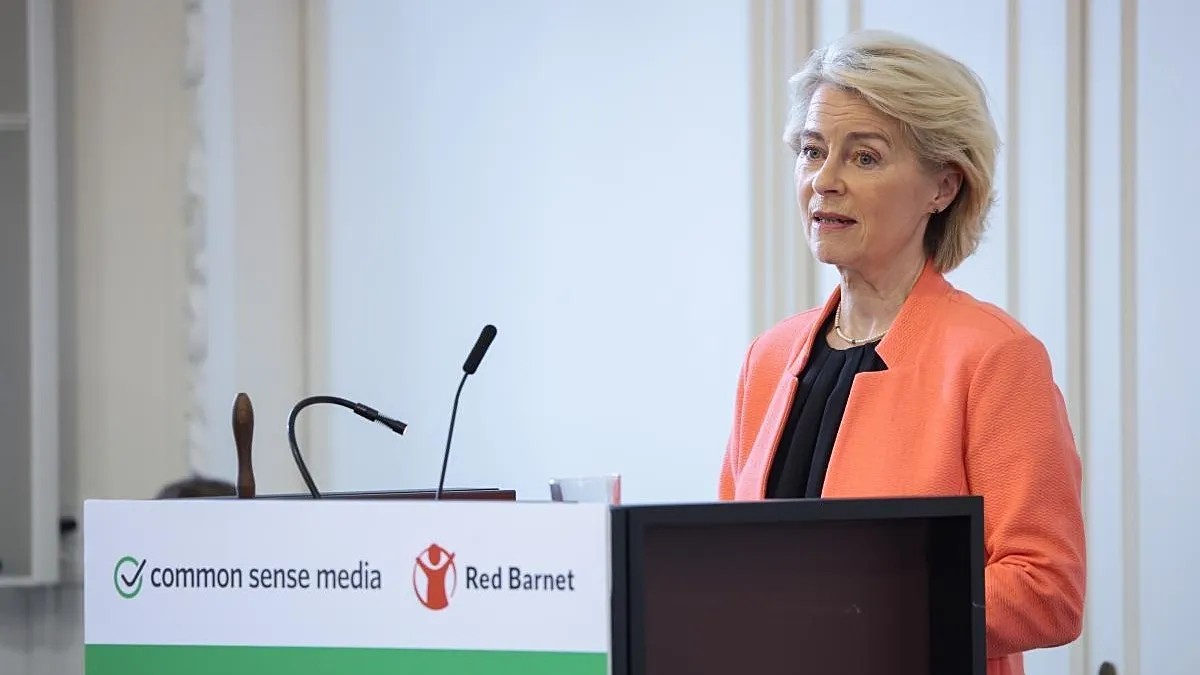
European Commission President Ursula von der Leyen has signaled that the EU could introduce a bloc-wide ban on social media for children as early as this summer. This potential legislative move comes amid intensifying pressure from member states and growing public concern over the impact of addictive online platforms on minors’ mental health and development.
The Push for Harmonized Protection
Support for stricter digital safeguards has surged across Europe in recent months. Nations including France, Spain, Greece, and Denmark have been at the forefront, urging Brussels to implement measures that shield children from what governments describe as inherently addictive technology.
While several countries are currently drafting national legislation, there is a strong push for a unified EU approach. This is crucial to prevent fragmentation within the single market and to ensure consistent protection standards across all member states.
“We are witnessing the lightning speed at which technology is advancing – and how it penetrates every corner of childhood and adolescence,” von der Leyen stated at the European Summit on Artificial Intelligence and Children in Copenhagen.
Expert Review and Legislative Timeline
To inform this potential ban, the European Commission has established an independent expert panel focused on online child safety. This group is tasked with evaluating various measures aimed at combating issues such as social anxiety and digital addiction among young users.
Von der Leyen emphasized that discussions regarding a minimum age for social media access can no longer be sidelined. While she cautioned against pre-empting the panel’s final findings, she indicated that a legal proposal could be presented this summer, depending on the results of the review.
This timeline is strategic. It would allow the EU to act before France’s new national law takes effect in September, which mandates that platforms like Instagram and TikTok block users under 15 and suspend existing accounts of minors.
The Technical Challenge: Age Verification
A significant hurdle for any EU-wide ban is establishing a reliable, common technical solution for age verification. Platforms would be required to implement systems that ensure only users above a certain age threshold can access their services.
Von der Leyen pointed to an existing model: the EU Digital COVID Certificate. She suggested that a similar app-based verification system could be adapted for social media age checks. However, this approach faces skepticism. While the Commission has formally recommended the app to member states, reactions have been cautious. Cybersecurity experts have raised valid concerns about potential technical vulnerabilities and data privacy risks associated with such a system.
Broader Regulatory Context
The EU’s potential move does not exist in isolation. Other nations, including Australia and Indonesia, have already introduced similar restrictions on children’s social media use, reflecting a global trend toward tighter digital governance.
Simultaneously, Brussels is intensifying its scrutiny of major platforms under the Digital Services Act (DSA). Investigations are ongoing regarding whether companies like Instagram and Snapchat have failed to adequately protect minors. Furthermore, the proposed Digital Fairness Act is considering bans on specific “addictive design features” that exploit user psychology to maximize engagement.
Conclusion
The European Union is moving toward a decisive stance on digital child safety, balancing the need for urgent protection with the complexities of technical implementation and privacy. If the summer proposal proceeds, it would mark a significant shift in how Europe regulates the digital lives of its youngest citizens, prioritizing long-term well-being over immediate technological access.
“We all know that sustainable change does not happen overnight. But if we are slow and hesitant, it will be another entire generation of children that pays the price,” von der Leyen warned.