

It happened. Finally.
OpenAI sold some hardware. Not the ghost-machine rumor-milled by former Apple execs. No secret sleek monolith designed in some sterile studio.
It is a keypad. Specifically. For coding.
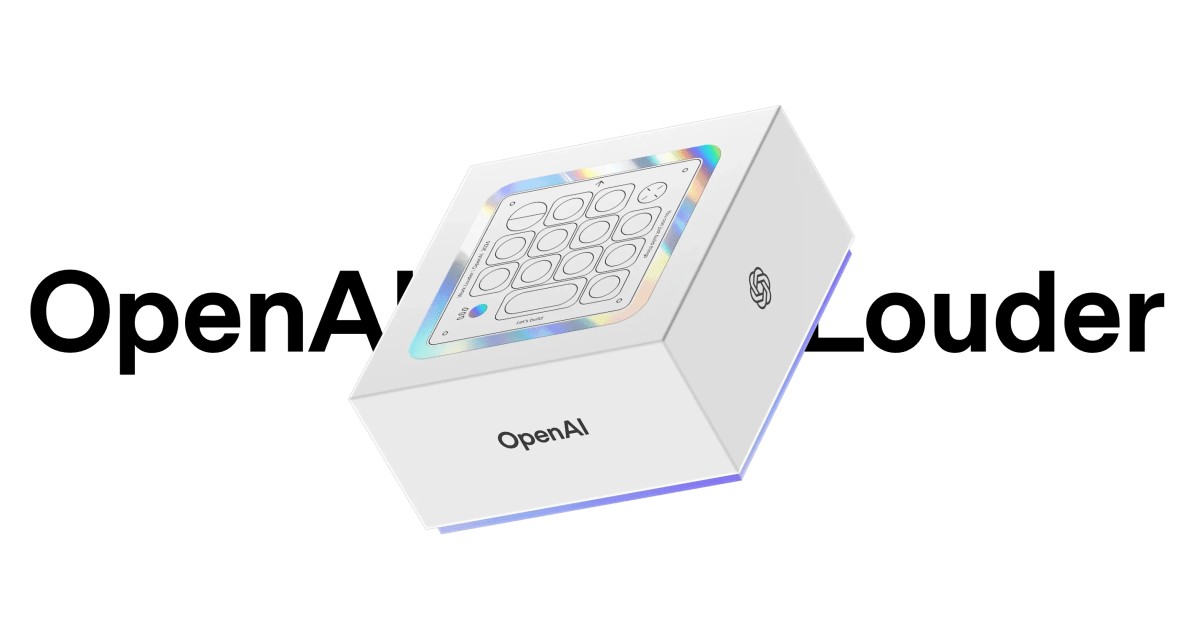
Called Codex Micro. It is a joint venture with a company named Work Louder. They call it a “limited-run collaboration.” That phrase always feels suspicious.
It costs $230. Available while supplies last. How many supplies? Nobody said. Typical.
The device looks suspiciously like Work Louder’s Creator Micro 4. Actually. It looks identical to that. Thirteen mechanical switches. A joystick. A dial. A touch sensor. If you worked with Figma hardware back in 2020s early days you probably own one that looks just like this.
OpenAI didn’t design it. They just stamped their logo on a partner’s existing tool.
So what does it do?
Mike Di Genova. Cofounder of Work Louder. He showed us in a video. Six of the keys glow. They turn colors. Red. Green. Yellow. They give a live view of your Codex threads.
See? Your task is running. It finished. It failed. You know instantly.
The pad offers a live visual status for your coding agents, eliminating the need to constantly switch windows to check progress.
There are command keys too. Push-to-talk. Accept. Reject. Send. You get 32 extra keycaps. Codex icons everywhere.
The joystick starts workflows. The dial changes reasoning depth. Everything configures inside the ChatGPT desktop app. It is not smart hardware. It is a dumb input device wired into smart software.
Does that surprise you? It shouldn’t.
This isn’t the hardware everyone expected. That project involves Jony Ive. A smart speaker presumably. One you talk to. Like a lamp. Like a servant.
We heard rumors last year. Next year sounds closer now. Or further away. Who knows with lawsuits.
Apple filed suit recently. Claims OpenAI stole secrets. OpenAI laughs. Calls it baseless. Calls it meritless. The courts decide. The lawyers eat.
In the meantime? We get a button pad. For $230. To click while code writes itself.
We want magic mirrors. We get tactile switches. Maybe that’s for the better. Or maybe it’s just because making keyboards is easier than inventing a new interface.
Probably.
What happens when the other thing actually ships? Do we toss this aside? Do we keep the tactile comfort?
The supply won’t last. If it works well enough someone else will copy it. If it’s clunky it sits in a drawer.
You have until stock runs out to decide.