I hammer TikTok’s “Not Interested” button. Relentlessly. Like a maniac. Weight loss hacks? Gone. GLP-1 ads? Blocked. Gut-healing vlogs that accidentally result in twenty pound losses? Out. I believe I’m training the algorithm. I believe I’m curating a safe digital space away from the predatory machinery of Big Pharma and influencers who treat disordered eating as a lifestyle aesthetic.
I was wrong.
Over 30 million Americans develop eating disorders. Every 52 minutes, one person dies from it. Meanwhile, our feeds are flooded with ads calling larger bodies “nasty.”
It feels personal when the ads return. About every third video now. More GLP-1 promoters than my actual friends on my contact list. Where is my curation going? It turns out. Nowhere.
The settings you didn’t know you needed to change
Here is the cold, hard data of my attempt to sanitize my For You Page. I spent last month diving into TikTok’s advertising preferences. I assumed the “Not Interested” button was doing the heavy lifting. It’s not. It’s basically a weak frown. A thumbs-down that gets lost in the noise. It tells TikTok “I didn’t like that specific video.” It does not say “I do not want to see weight loss content ever again.”
My ad settings? “Health & Wellness: Interested.” Weight management: “No preference.”
Well.
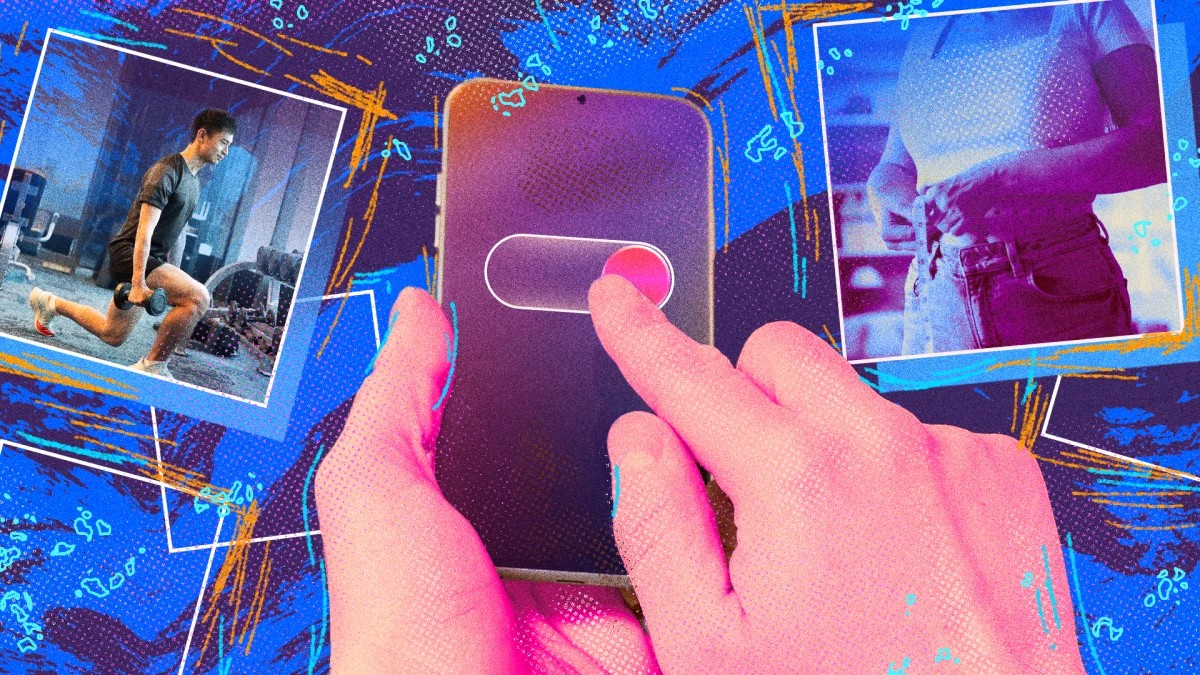
I fixed that. Or tried to. I slid “Health and Fitness” all the way down to “See Less.” I scrubbed “Fashion & Beauty.” I dug into the obscure bottom layers of account settings. “Manage ad topics.” I hunted down “Weight Management” under a miscellaneous “Other” category. I muted advertisers. I deleted my gender and age data, assuming that was part of the profiling target. I wiped TikTok’s inferred preferences—the stuff they guess about you.
The app warned me: 48 hours. Two days until the changes take hold.
I waited. I respected the process.
Months later. I’m still seeing semaglutide injection pens. I’m still watching nurses pose with medication boxes. I’m still scrolling past ads for calorie-tracking apps featuring women in anatomical suits padded with fat. It gets worse after the “fix.” The Northeastern University study found exactly this. You stop signaling disinterest, or the signal fades, and the feed drowns you again. TikTok declined to comment. Obviously.
Is Instagram any better?
Sure, it’s different. Not better, necessarily, just… slower.
Instagram allows you to “snooze” suggested content. You can hide things you don’t follow. More importantly. The main feed is supposed to show people you actually follow. It isn’t designed to be a bottomless well of strangers. If you stay off the Explore page. You stay relatively safe. I checked my Meta-wide settings. Made marginal tweaks. For now? Less noise. But let’s be honest. Meta was recently liable for hiding mental health risks. “Relatively safe” is a low bar.
Why algorithms are addicted to your anxiety
Why can’t we escape? Jessica Scheer from NEDA says it’s political. A laissez-faire era of content moderation. The platforms don’t care enough to fight it.
Dr. Elizabeth Wassenaar puts it simpler: Algorithms are designed to make money. They serve creators, not consumers. Views win. Anxiety loses. But views are easier to sell when the content triggers your insecurities.
And the tech is flawed. Dr. Blair Burnette points out that algorithms scan text. They read captions. They can’t easily “see” that a video is about body checking or anti-fat shaming if the words themselves aren’t explicitly banned. It slips through the net. The code is dumb. The result is deadly.
There is no permanent fix
Here is the reality. You will not cure this.
You have to audit your feed like you’re under surveillance. Daily. Weekly. Scheer says the fixes are temporary. Algorithms retrain. You have to keep fighting the retraining process.
Burnette suggests screen time limits. Apps like Roots that restrict access. Purge your follow list. Unfollow anyone who posts body pics, even if they’re “fitness” focused. Follow accounts that actively reject diet culture. Intentionality is your only weapon.
If a phone feels heavy. Put it down. If a feed feels hostile. Leave.
It sounds simple. It shouldn’t be. The goal isn’t just to avoid an ad. It’s to reclaim your attention from an industry that profits when you feel inadequate. They want you anxious. They want you clicking. They want the engagement.
Deny them that? Or just accept that your scroll will always be a war zone.
Who’s watching your screen when you’re not? 📱⏳