



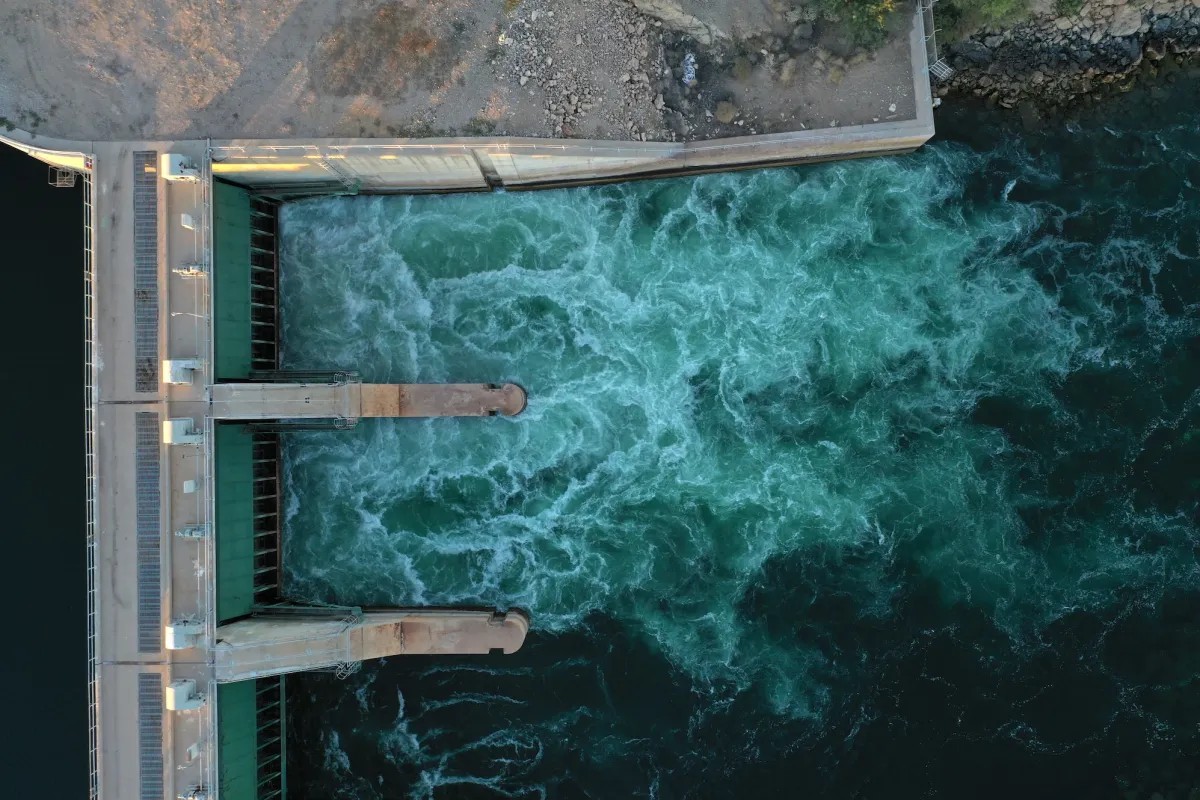
American water utilities and power plants are in the crosshairs of Iranian state-sponsored hackers. This isn’t theoretical. The Feds are sounding the alarm.
The FBI, NSA, Department of Energy, and CISA dropped a joint advisory Wednesday. It details active intrusion into industrial control systems (ICS) across the US. These aren’t just thefts of data. They are attempts to disrupt critical infrastructure. The timing is no coincidence. It comes months after warnings of an escalation amid the ongoing war in the Middle East.
The Technical Attack Vector
Here’s how the intrusion happens. Hackers target programmable logic controllers (PLCs). These are the brains behind many industrial operations. The systems are often connected to the internet via operational networks.
Once inside, the hackers don’t just steal information. They manipulate the data on the operators’ displays. This creates chaos. It causes outages. It disrupts supply chains.
Initially, reports focused on Rockwell Automation controllers. But the threat landscape has expanded. The new alert includes products from Schneider Electric and Siemens. Both are major players in industrial automation.
“Potentially all internet exposed industrial control systems may be affected.”
That is the sobering conclusion from the agencies. They aren’t sugarcoating it. They are urging critical infrastructure owners to act now.
Why Iran Is Doing This
The motive appears clear. The advisory states the hackers are “conducting this activity to cause disruptive effects.”
Why? Likely retaliation. The US and Israel are engaged in a volatile conflict with Iran. This cyber campaign seems designed to create domestic instability on the American home front. It’s a direct response to geopolitical tensions.
The FBI uncovered one specific, terrifying instance. Hackers broke into a critical infrastructure provider. They didn’t just read the files. They rewrote the programming logic.
They disabled the processes responsible for critical shutdowns and alarms. Imagine a factory floor where the emergency stops are broken. The systems can enter unsafe conditions. Operators are left blind. They don’t get notified of anomalies. This isn’t just inconvenience. It’s dangerous.
A History of Escalation
This isn’t the first time Iranian-backed groups have crossed the line from espionage to destruction.
Since February, when the current regional war began, the activity has intensified. The tactics have varied. Sometimes it’s old-school espionage. They hack into personal emails and leak the contents. They stole FBI Director Kash Patel’s emails earlier this year. It’s invasive. It’s messy. It’s designed to embarrass and disrupt.
Other times, it’s outright destruction. Take the hack on Stryker, the US medical technology giant. The group “Handala,” linked to Iranian proxies, remotely wiped tens of thousands of employee devices.
It’s a pattern. They start small. They test the defenses. Then they escalate.
The question isn’t if the next attack will happen. The question is which water or energy system fails next. The tools are there. The intent is clear. The windows are open. And the operators might not even know something is wrong until it’s too late.