


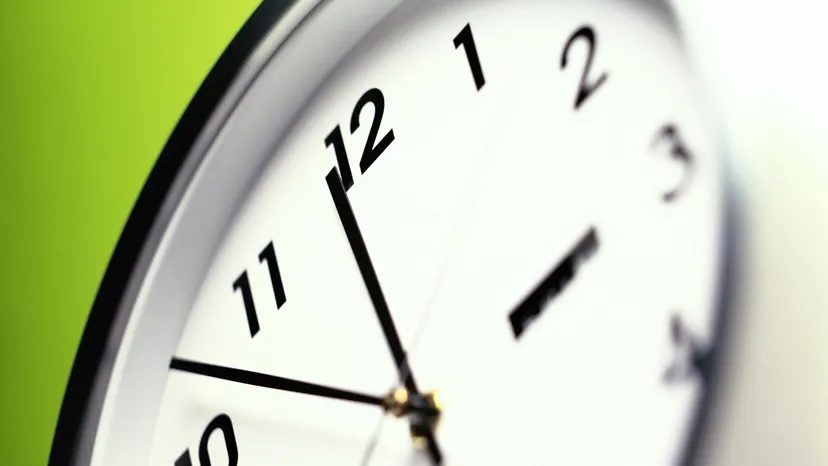
Clocks are among humanity’s oldest complex machines. We spent millennia perfecting them. Early models relied on pendulums and gears. Today, timekeeping takes many forms. You wear quartz watches on your wrist. Scientists rely on atomic clocks for precision. The technology has evolved drastically. Yet the core purpose remains the same. We need to know what time it is.
Mechanical Roots and Modern Variations
The history of timekeeping is long. Pendulum clocks dominated for centuries. They used gravity and swing periods to measure seconds. Then came quartz technology. A battery sends electricity through a quartz crystal. The crystal vibrates at a precise frequency. This vibration regulates the movement. Digital clocks follow a similar logic but display numbers instead of hands. They count the electrical pulses.
Wind-up alarm clocks offer a mechanical twist. You manually tension a spring. The energy releases slowly. It drives the gears. The alarm mechanism triggers at a set time. It’s a simple, elegant system. No batteries required. Just physics and friction.
The Gold Standard: Atomic and Radio-Controlled Clocks
Not all clocks are created equal. Some need to be exact. Atomic clocks do this. They measure the vibration of atoms. Usually cesium or rubidium. The frequency is constant. It doesn’t change with temperature or age. This makes them incredibly accurate.
But you don’t need an atomic clock in your living room. Radio-controlled clocks bridge the gap. They receive signals from atomic clocks. These signals originate from places like Boulder, Colorado. The clock receives the broadcast. It adjusts itself automatically. Daylight saving time changes? It handles that too. You just set the time zone once. The rest is automatic.
Why Precision Matters
You might wonder why we care about nanoseconds. It’s not just for watches. It’s for everything. GPS satellites use atomic clocks. Your phone relies on them for location. The internet depends on them. Every data packet needs a timestamp. Without synchronized time, the digital world breaks down.
Financial transactions also depend on it. Stock trades happen in milliseconds. A slight discrepancy can cost millions. Security protocols use time stamps to prevent replay attacks. Even your bank statements rely on it.
Tracking Labor: The Timecard
Timekeeping isn’t just for science. It’s for work too. A timecard records hours worked. Employees use them to track their shifts. Employers use them to calculate pay. It’s a simple document. But it carries legal weight. Labor laws often require accurate records. Digital systems have replaced paper in many offices. But the concept remains. Track start time. Track end time. Calculate the difference.
The Evolution of Time
We’ve moved from swinging weights to vibrating atoms. The complexity has increased. The accuracy has skyrocketed. But the need hasn’t changed. We still look at the clock. We still check our phones. We still try to manage our hours.
The next time you glance at your wrist, remember the chain of technology behind it. From gears to quartz to atoms. It’s a marvel of human engineering. And it’s only getting more precise. What happens when we reach even higher levels of accuracy? We’re already there. The question is what we’ll do with it.


