



Two years ago. IBM looked around its sports portfolio and saw a hole.
It wasn’t just any hole. It was Formula One.
The sport exploded recently. Netflix’s Drive to Survive made drivers household names, turning high-speed engineers into pop culture icons. Tech giants smelled the blood in the water. AWS, Oracle, Anthropic—they’re all in. They want sponsorship visibility, sure. But they also want the AI edge. The data analytics.
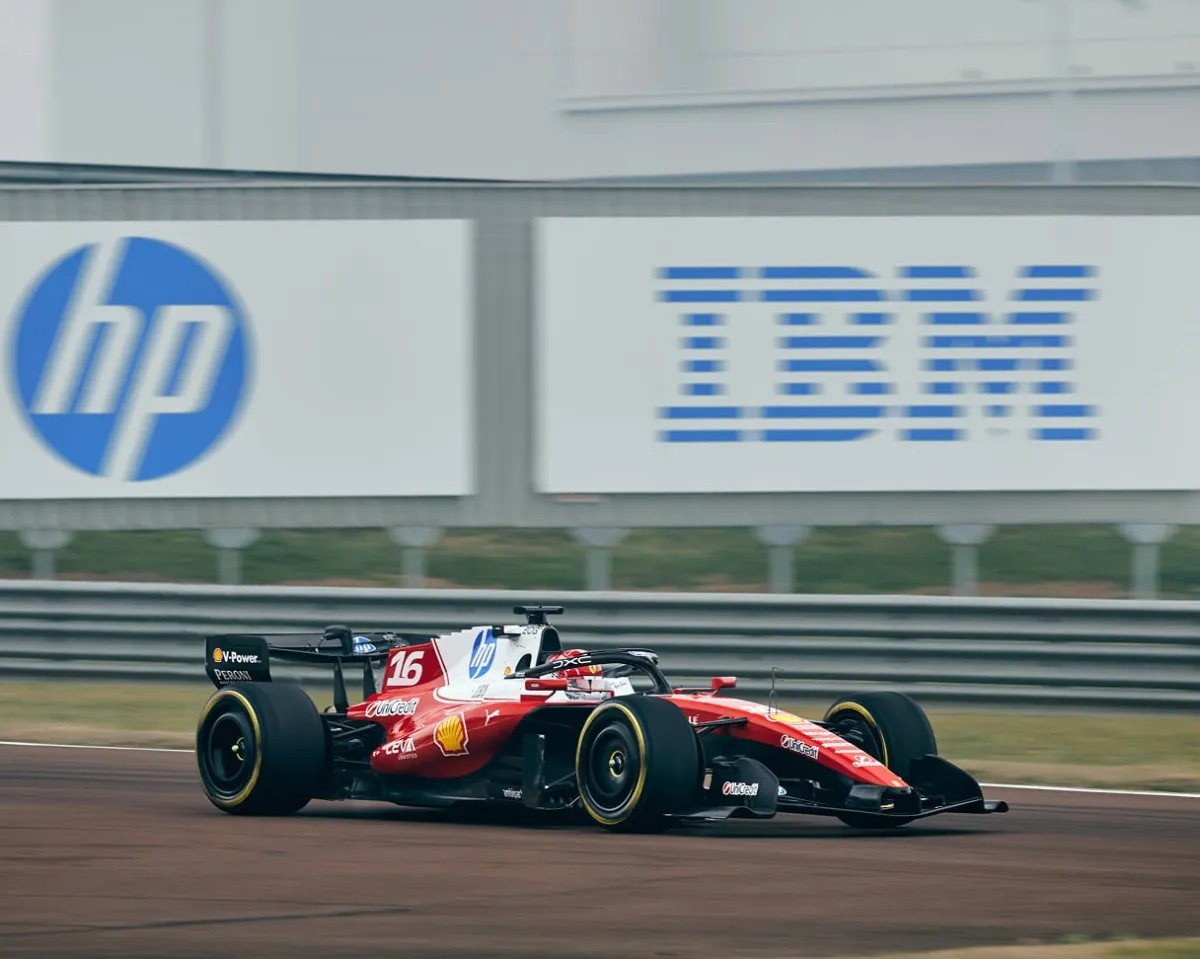
So when IBM needed a big swing, they looked at Scuderia Ferrari.
No surprise there.
“They’re the winningest team in history.”
— Kameryn Stanhouse, VP of Sports and Entertainment at IBM
It’s not just about the logo.
It’s about the tech. Sports are goldmines of data. Mountains of it. Every second.
Stanhouse sees it as a gateway. Fans see AI serving them directly, practically, in real time. That comfort translates. If it works on the track, it works in the business suite.
The Ferrari partnership centers on storytelling.
That sounds fluffy until you consider the audience. The Tifosi are obsessive. Passionate. They don’t want just a score update.
Enter Stefano Pallard, hired as the new Head of Fan Development.
His mandate? Stop broadcasting. Start conversing. Make each fan feel known.
From raw telemetry to content
Race cars spit out millions of data points per lap. Speed, G-force, tire temperature, engine RPMs. It’s noise to the average viewer. Gold to a team.
Pallard’s job is translation.
Turn the telemetry into narrative.
Ferrari has a standalone app. Rare in F1. Most teams rely on the main F1 platform or social media feeds. McLaren and Williams try this too. But Ferrari is going deeper.
The old app was functional. Boring. You checked the grid position and closed it.
The new app, built with IBM’s tech, stays open.
- Games to play against other fans.
- AI-generated race summaries that read like prose.
- Behind-the-scenes access that feels exclusive.
- Predictions markets.
- An AI companion.
“There are two drivers, but did you really think only two people change the tire? It takes 24 hands moving in two seconds.”
— Kameryn Stanhouse
Storytelling bridges the gap between asphalt and affection.
It also fixes a glaring oversight. The old app wasn’t even available in Italian.
An Italian heritage brand. A global fanbase. Yet the native language was an afterthought until now. Simple fix. Massive respect boost.
The engagement spike
Other sports apps are seasonal. Tournaments come. Crowds swell. Then silence until next year.
F1 runs almost every other weekend for eight months. The app has to survive that marathon.
The data shows it’s working. Engagement is up. A 62% jump on race weekends.
Why?
Personalization at scale.
Pallard uses AI to read the room. Which articles get shared? What’s the sentiment in the chat? He tweaks the narrative based on that feedback loop.
It’s not static content. It’s adaptive.
The audience itself is changing too. Diverse. Young. Last year, F1 reported 75% of new fans are women. Gen Z. Many drawn in by the all-female F1 Academy series.
Do they care less than the old guard?
Hardly. They just have different appetites. They want depth.
“They are asking for more data. More insight. More features. We have to deliver that.”
— Stefano Pallard
The five-year vision with IBM isn’t just better widgets.
It’s parity of experience.
Whether you’ve held a red scarf since the 1970s or discovered Sainz on TikTok last Tuesday. The goal is the same: make the app feel like it was coded just for you.
Loyalty isn’t built on wins alone. Though Ferrari certainly has those.
It’s built on being understood.
The tech handles the scale. The team handles the soul. Or tries to.
Somewhere between the code and the crowd, that’s the sweet spot. Finding it might be harder than a pit stop.
But they’re trying.