

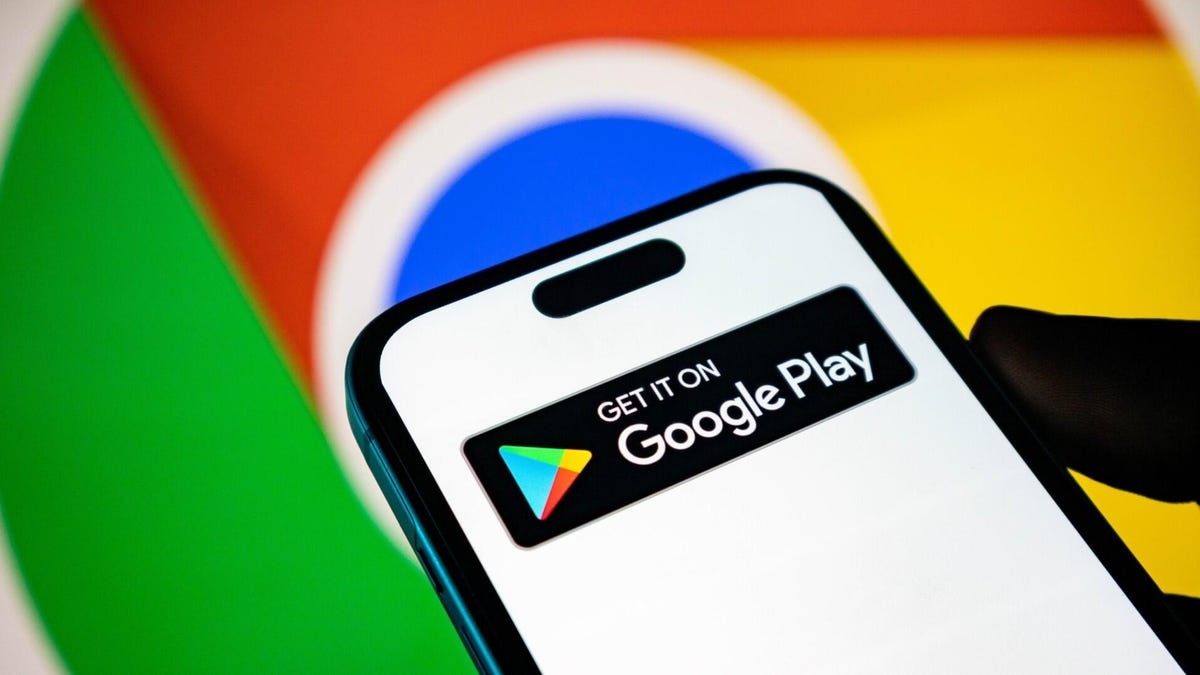
July 22 arrives fast. Android users in the US will see something different on the Google Play Store. For years, that shelf was strictly curated. Now, it hosts rivals. Third-party app stores become downloadable directly through Google’s official marketplace next week.
This isn’t a corporate power grab gone wrong. It’s a forced evolution.
Why Google Is Suddenly Letting Rival App Stores In
Blame Epic Games. The Fortnite maker sued Google in 2021 (reported late 2020 filings) arguing that Google operated a monopoly. They claimed Play Store restrictions blocked easy access to alternative app stores and payment methods.
The court agreed. In late 2023 District Judge James Donato ruled in favor of Epic. He ordered Google to open up its walled garden.
Here’s the twist. Later, Google and Epic tried to settle. They drafted a “Registered App Stores” program for November 2025. In this deal, rival stores would stay outside the Play ecosystem as sideloaged apps. Less integration. More separation.
Both sides walked away from that deal. They didn’t want to “prolong” the legal battle. So the compromise vanished. Google had to fall back to the judge’s original, stricter order. That mandate requires them to let people download those rival stores right from within Play.
The result? A Play Catalog Access Program that actually works as intended.
Which Apps and Stores Will Appear Next Week?
Starting July 22, you won’t just find Netflix and Spotify. You’ll find portals to other marketplaces. The Play Catalog Access Program allows these external storefronts to exist on your screen alongside native apps.
This means developers get visibility outside Google’s silo. Their games and applications can now list on external Android stores easily. Users who prefer alternative ecosystems no longer have to wrestle with USB debugging cables and hidden settings. They can tap once. Install. Done.
Is it free? No.
How Developer Fees and Payments Are Shifting
Google isn’t leaving money on the table. Service fees still apply. But the structure has shifted to fit the legal requirement.
Google dropped its app purchase commissions. We’re talking from 30% down 10% for some transactions. That’s a massive drop. But more importantly, developers can now offer alternative payment methods.
You can pay outside of Google’s IAP (In-App Purchase) system. Or developers can link you directly to their own website to finish a buy. The monopoly on cash flow breaks.
Will Third-Party App Stores Break My Android Phone’s Security?
That’s the question. Google wants you to think everything is safe. Spokesperson Dan Jackson told CNET that they are committed to maintaining “industry-leading security.” He argued this new model fosters competition without sacrificing protection.
“Moving past this dispute lets us focus on more store choices, lower prices, and better opportunities,” Jackson said.
He emphasized that while they are complying with the US court’s mandate, they still control the gate. You aren’t forced to use risky stores. You choose them. If you break it, you did it. That’s the trade-off.
The era of strict control ends on July 22. The ecosystem is louder now. Messier too. But maybe that’s exactly what Android needed all along. 🤷♂️