


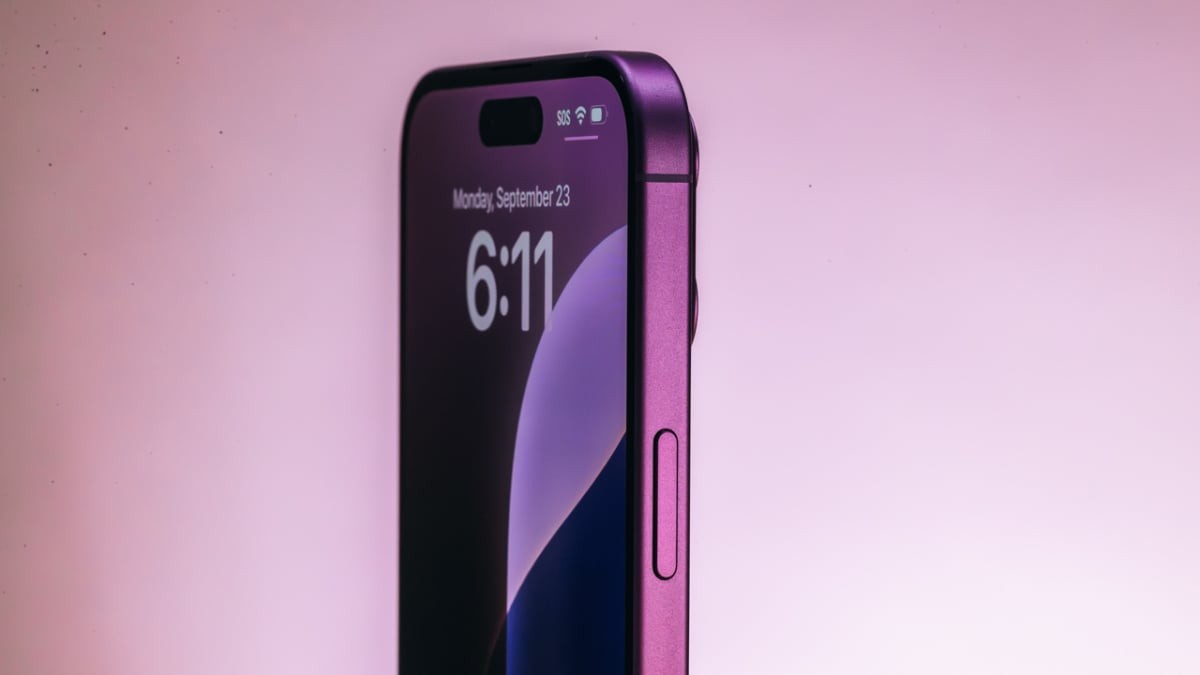
Apple has agreed to pay $250 million to resolve a class-action lawsuit alleging that the company exaggerated the capabilities of its AI features, specifically Siri and Apple Intelligence, in its marketing campaigns. While Apple has not admitted any wrongdoing, the settlement offers potential compensation to millions of iPhone owners who purchased specific models during a defined period in 2024 and 2025.
Who Qualifies for Compensation?
The settlement targets U.S. consumers who bought iPhones capable of running Apple Intelligence —Apple’s branding for its suite of AI tools—during a specific window. According to the settlement filing dated May 5, eligible purchasers must have bought their devices between June 10, 2024, and March 29, 2025.
The following iPhone models are included in the class action:
- iPhone 16
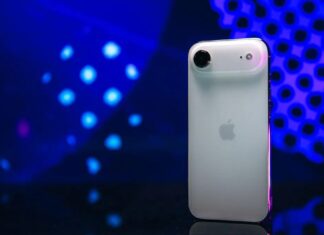
- iPhone 16e
- iPhone 16 Plus
- iPhone 16 Pro
- iPhone 16 Pro Max
- iPhone 15 Pro
- iPhone 15 Pro Max
Once a judge approves the agreement, a dedicated settlement website will launch to provide further instructions on how to file claims.
How Much Will Customers Receive?
The $250 million fund will be distributed among qualifying claimants after deducting attorneys’ fees and administrative costs. The baseline compensation is $25 per device.
However, the final payout amount is not fixed. The settlement documents indicate that payments “may decrease or increase up to $95 per device,” depending on the total volume of claims filed and other logistical factors. This structure is common in large-scale class-action settlements, where the total pool is divided by the number of valid participants.
Note: If a consumer purchased multiple qualifying devices (for example, as part of a family plan), they may be eligible to receive compensation for each device separately.
Why Was the Lawsuit Filed?
The legal dispute centers on Apple’s promotional efforts surrounding the iPhone 16 launch in 2024. Marketing materials heavily emphasized a “smarter, more conversational” Siri with advanced AI capabilities. Critics argued that these claims constituted false advertising, as the promised level of AI integration was not fully realized at the time of sale.
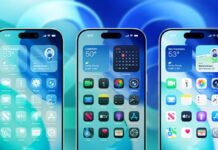
While Apple Intelligence was introduced at WWDC 2024 with features like notification summaries and Genmoji, many users felt the AI-driven Siri experience fell short of expectations. This gap between marketing hype and product reality prompted multiple lawsuits, which were eventually consolidated into a single action.
What Does This Mean for the Future of Apple AI?
This settlement highlights the growing tension between tech companies’ ambitious AI roadmaps and consumer expectations. As AI becomes a central selling point for premium hardware, the line between innovation and overpromising becomes a legal and reputational risk.
Looking ahead, Apple is expected to unveil a more robust, AI-powered Siri—reportedly integrated with Google Gemini —at WWDC 2026. Until then, the $250 million settlement serves as a significant financial acknowledgment of the delays and discrepancies in Apple’s AI rollout, offering restitution to early adopters who were sold on capabilities that were still in development.