



Global RAM shortage isn’t just a buzzword anymore. It’s cash burning your pockets. First came the other makers. Now it is Dell’s turn.
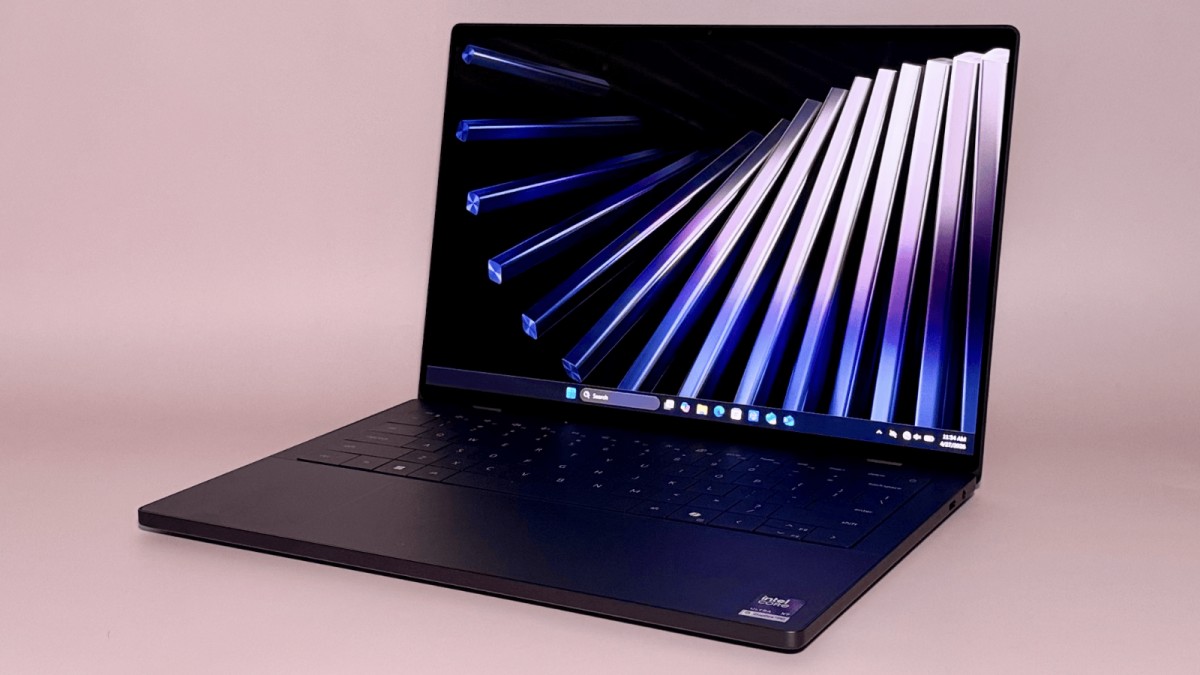
Specific configs of the new Dell XPS 1 4 have jumped up to 31 percent since launch. We spotted it mid-May. Confirmed it. A Dell spokesperson told us they are managing “in real time” while leveraging their scale.
Soothing words. The bill comes anyway.
The starting price was $1,599 when it came out. It sat slightly under the M5 MacBook Pro, offering a slight comfort to the Windows faithful.
Not anymore.
It costs $1,8 8 9 9 now. A $2 90 jump for the base Intel Core Ultra 5. That machine gets 1 6GB of RAM. That feels… less sweet when the sticker shocks you.
Step up to the Core Ultra 7? It was $1 6 99. Now $1 9 8 9. Another $290 hike.
Go for the beast?
The model with the Core Ultra X7. The OLED touch screen. 3 2GB RAM. 1TB storage.
It launched at $2, 1 9 9. It sits at $2 87 9 99. A $680 increase. That is a dramatic shift for a laptop.
The larger XPS 1 6 hasn’t moved quite as much, mostly steady, but we did catch a flicker. Base model listed for $2 2 79 at one point in May. $2 40 more than the intro price.
Dell re launched the brand at CES 2 0 26. Sleeker. Better OLED screens. Solid performance. Reviews were kind.
But it was always pricey. This just makes the decision harder.
Why is this happening?
“Recent increases in memory and component costs”
AI is eating the RAM supply. Data centers need more memory. They build faster than makers can produce. Consumer chips get short changed.
Microsoft hiked Surface prices by up to $ 5 0 0 in April. Framework adjusts RAM and SSD prices monthly now. Lenovo and Acer raised Chromebook prices by up to $2 5 0 quietly.
It’s not just Dell. It’s everywhere.
Dell’s new Alienware 1 5 starts at $1 29 9. Higher than expected. The rep said they are pricing it for this new backdrop.
So there it is. The chips shrink in value as their cost skyrockets. We wait. Prices tick up. No sign of slowing. 📉